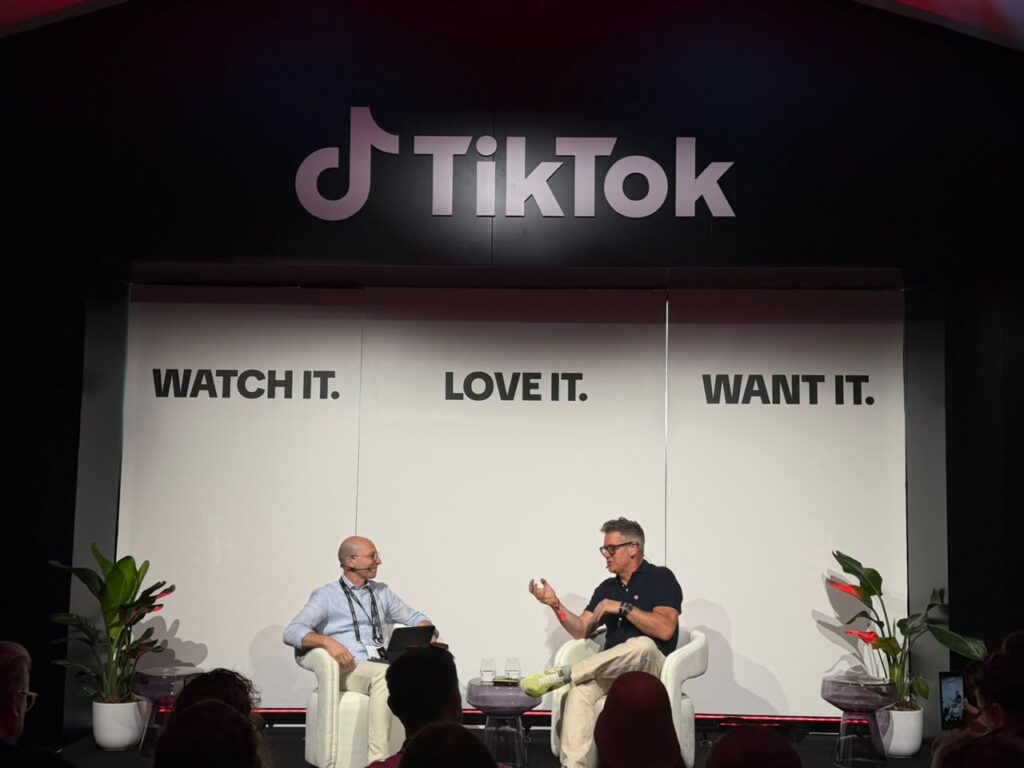
As MENA’s advertising and marketing industry navigates a new era of growth, resilience has become more than a buzzword—it is a business imperative. Patrick Samaha, Founder of Eleveight and shareholder in multiple media and technology ventures, believes true recovery begins with accountability, ownership, and preparedness for crises. He also sees a profound shift in consumer behaviour, with audiences increasingly turning away from traditional advertising and toward trusted voices in podcasts and digital audio. In this interview, Samaha discusses what recovery really means for the industry and why audio is emerging as one of the region’s most promising growth opportunities.
After a period of disruption and reinvention, what does “recovery” actually look like for MENA’s advertising and marketing industry today, and what signals tell you the region is entering its next growth phase?
Companies today need to become resilient as a business first, because you can’t operate on a model where, if something happens, you are unable to sustain yourself. Let’s call it a recovery plan! There will always be complications, situations out of our hands, and one of the biggest problems in advertising organizations is ownership of a certain crisis.
Who is the person taking accountability for fixing it? Who will lead this internally?
Do they have the right training or tools when they are faced with a crisis management issue? Obviously, from a business point of view?
Before asking whether companies can recover or compensate, we need to identify who owns the problem. Fixing a problem without ownership means there is no accountability or liability.
Which campaign, idea, or strategic shift from 2025/26 best reflects how resilience in MENA has translated into creative and commercial strength, and what does it reveal about the region’s future direction?
The way we consume content is changing, mostly affecting TV FTA content! I personally don’t connect with traditional broadcast advertising anymore, part of it is the traditional audiovisual advertisements on TV.
I believe audio is becoming more trusted as people want to hear from voices they trust rather than highly paid or produced commercials. If a podcaster I trust is talking about a brand or product, I’m far more likely to listen to and consume that content and trust the brands they recommend. This is an investment. I’ve invested heavily in it with time, money, and relationships.
If you are watching TV and an ad comes on, even if it’s powerful, is it enough to drive conversion? On social media, people are exposed to endless ads while scrolling, and very few make them stop. And now content is becoming heavily dependent on brands.
Audio, especially podcasts and digital audio, is the biggest opportunity today. Podcasters tend to have stronger ethics around advertising because their credibility depends on it.
I like the idea of building a genuine relationship with your audience instead of constantly pushing advertising at them.