A tile is rarely the hero of the story. Until suddenly it is.
Luxury fashion houses now design hotels. Carmakers build ecosystems. Sports brands are becoming media companies. Somewhere along the way, products stopped being the destination. Brands became the experience.
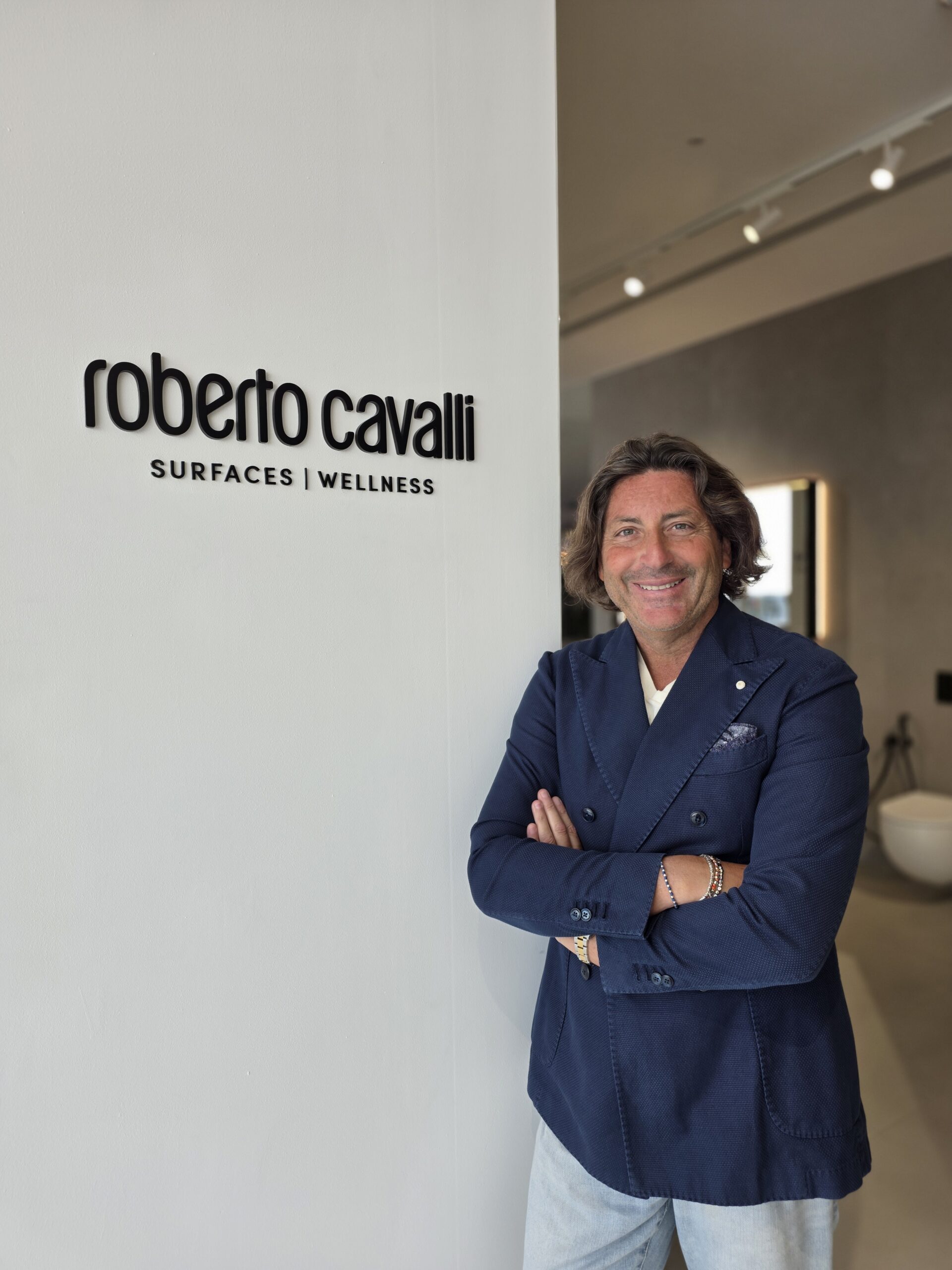
RAK Ceramics’ newly announced licensing partnership with Roberto Cavalli is the latest sign that this shift has reached an industry few would traditionally associate with branding. The collaboration, which will see Cavalli-branded ceramic surfaces and bathroom collections launch across the Middle East, India and neighbouring markets later this year, is less about putting a luxury logo on a tile than it is about where brand strategy is heading.
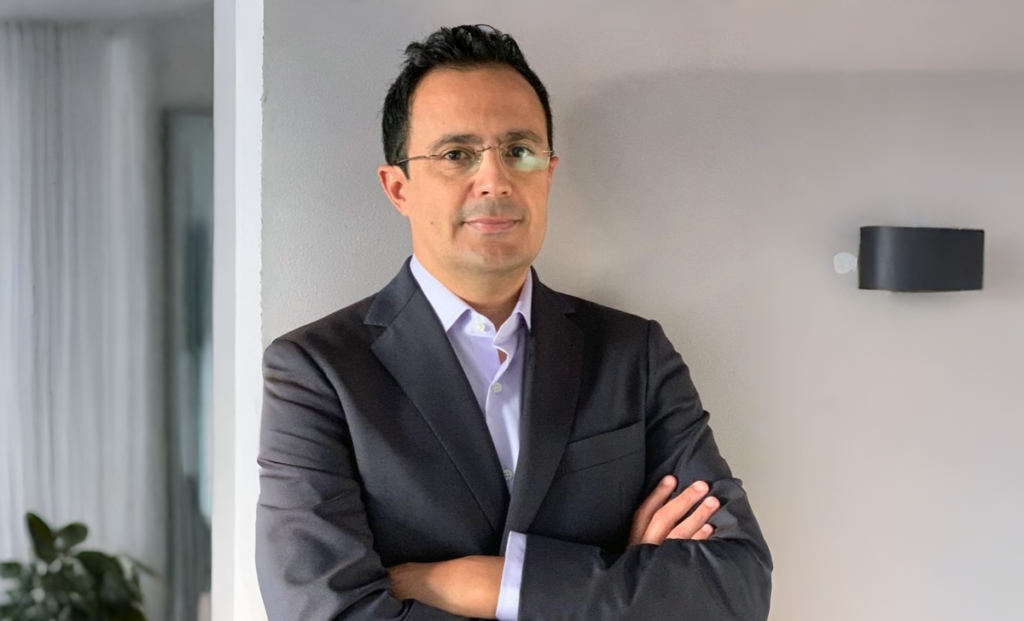
For Leonardo de Muro, Corporate Vice President – Head of Group Marketing and Communications, RAK Ceramics, the partnership represents another chapter in a transformation that began almost a decade ago, when the company decided it no longer wanted to compete on price or production volume alone. “In 2017, we decided to transform into a lifestyle solution provider,” he says. “We wanted to develop our own products and become a trendsetter.”
That sounds straightforward on paper. In reality, it meant changing almost everything.
Marketing stopped acting as the department that promoted products and became the function that reshaped perception. Product design became storytelling. Social media, exhibitions and retail experiences became opportunities to demonstrate taste rather than simply showcase inventory.
The lesson will feel familiar to many CMOs. Today’s competitive advantage rarely comes from making more. It comes from meaning more. As De Muro puts it: “If you don’t have design today, you are a commodity brand. And we are not a commodity brand.”
The Best Collaborations Borrow Meaning
That philosophy also explains why RAK Ceramics has ventured into brand licensing with fashion houses such as Elie Saab and now Roberto Cavalli. The collaborations are not simply about prestige. They are about cultural relevance.
“We are a UAE company, we are proud to be UAE, and we want to be connected to the territory,” says De Muro.
The choice of partners reflects that thinking. Elie Saab brought regional recognition before becoming a global luxury name. Cavalli arrives as branded residences continue to reshape Dubai’s real estate landscape, where fashion labels increasingly extend beyond wardrobes and into living spaces.
For marketers, it’s another reminder that successful collaborations happen where audiences already see a natural fit. Consumers have become remarkably good at spotting partnerships that feel forced.
Consumers aren’t buying products. They are buying a point of view.
The bigger trend, however, extends beyond fashion. Consumers increasingly buy into aesthetics, identity and aspiration before they buy the product itself. “We’re selling trends,” says De Muro. Whether someone is choosing trainers, a hotel or kitchen tiles, the purchase often starts with an idea of how they want to live. The product becomes proof of belonging to that world.
That makes storytelling more than a campaign discipline. It becomes part of the product itself. “Storytelling… it’s the way to let people understand who we are,” says De Muro.
Internally, every initiative is measured against four pillars: design, innovation, technology and sustainability. Together they create the narrative the company wants customers to associate with the brand. Remove one pillar and the story starts to wobble.
AI Can Speed up Creativity
Technology, unsurprisingly, is evolving the fastest.
Like many marketers, De Muro admits AI initially arrived as a way to validate ideas already forming in his head. That experimentation has quickly evolved into something much broader. “The evolution of AI is happening so fast,” he says. “We’re using it for storytelling, 3D rendering, video making and helping us organise ideas.”
The impact is already changing creative workflows. “The website that used to take months can now be done in a week.”
For agencies and in-house teams alike, the implication is familiar. AI may accelerate execution, but it still cannot decide what story deserves telling in the first place.
That remains a human judgement. It is also why De Muro believes marketers cannot afford to become overly attached to long-term plans.
The pace of market change, shifting consumer expectations and geopolitical uncertainty mean strategies increasingly need to flex in real time. “Sometimes you take a risk,” he says when discussing brand partnerships. “Not necessarily we know the truth.”
That mindset extends well beyond collaborations. Asked what 2027 might look like, he declines to make predictions. Planning, he argues, has become shorter, more adaptive and more responsive to events outside any marketer’s control. Instead, success belongs to brands that can pivot without losing their identity. “The most difficult part… is how you can adapt yourself to all these situations.”
Perhaps that’s the biggest takeaway from RAK Ceramics’ evolution. The company didn’t reinvent itself by changing what it manufactured. It changed by changing what it stood for.
For modern marketers, that’s the real blueprint. In a market where almost every product can be copied, the brands that win are the ones consumers feel they can live inside.