Luxury and beauty brands are witnessing a slowdown in airport retail sales as the ongoing Middle East conflict disrupts flights and shuts key aviation hubs, according to a Reuters report.
Duty-free operators and premium brands reliant on Gulf airport traffic are facing reduced footfall, as flight cancellations and temporary airport closures weigh on one of their most profitable channels. The impact is being felt across major players including LVMH, Kering and travel retailer Avolta.
The disruption, now in its sixth week, has exposed a key vulnerability for luxury groups that depend on travel retail to offset weaker demand in China and Europe, Reuters reported.
International air traffic in the Middle East dropped sharply in early March, with cancellations peaking at 65% on March 3 before easing to 13% by March 27, according to data from aviation analytics firm Cirium. However, overall flight schedules remain significantly below normal levels.
Executives say the decline is already affecting revenues. DFS, LVMH’s duty-free division, “is costing two (percentage) points of growth” for its selective retailing division, which includes Sephora, LVMH Chief Financial Officer Cecile Cabanis told Reuters.
The conflict also reduced overall sales. “What we see today is still that demand is very much down,” Cabanis said, adding that the Gulf disruption shaved at least 1% off LVMH’s quarterly sales.
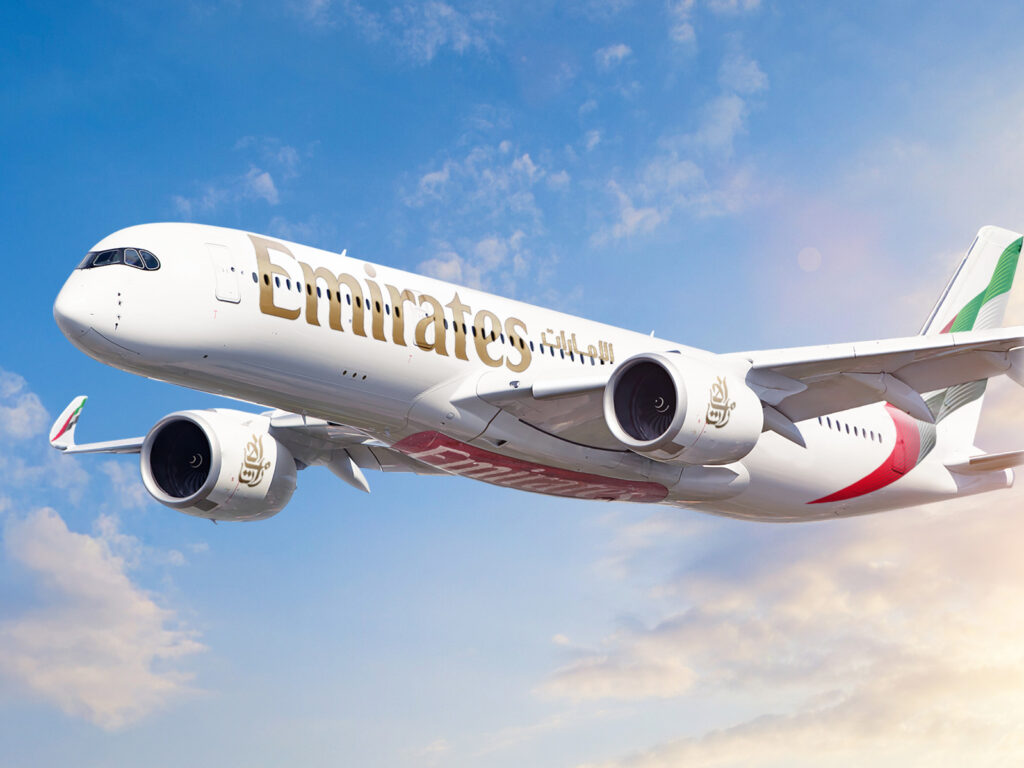
Airport disruptions triggered by drone strikes have worsened the situation. Major hubs like Dubai International Airport have scaled back operations, while Kuwait International Airport has faced repeated shutdowns, forcing companies to temporarily close stores and shift inventory.
Avolta is adjusting operations in response, moving inventory from weaker locations to busier ones, its CFO Yves Gerster told Reuters. In some cases, stranded passengers have boosted sales of essentials like food, even as luxury spending declines.
At Kering, the impact has also been visible. CFO Armelle Poulou said travel retail performance was weaker compared to last year, noting that “performance with local customers has been more resilient than tourism-related demand.” The company reported that the conflict reduced March sales by 3% and quarterly sales by around 1%, with a similar effect on its flagship brand Gucci.
The downturn is raising concerns across the $74 billion travel retail industry, which is still recovering from the pandemic. Analysts warn that a prolonged disruption in Middle East travel could further strain luxury and beauty companies including Estée Lauder, L’Oréal and Spain’s Puig, Reuters added.