After 15 years advising leaders and their teams across the Middle East, Europe, and the US, I can tell you the most powerful tools in business were never the budget, the marketing, or the technology. It is the creativity and awareness powered by the human imagination, and the communication to express it to the world.
And they still remain the most underused tools in the room.
Creative imagination is simply the most powerful, underused asset in business, and AI isn’t changing that; it is highlighting that.
Most leaders and organizations never get near their imaginative capacity. They are caught in work mode and commenting mode—busy, reactive, narrating what they see in front of them and what has already been done instead of asking what could be. Most leaders use their imagination to improve on the past instead of creating freely from the untapped and unwritten future.
Communication and imagination are the highest forms of value creation. Yet look at any calendar in any company and tell me how much of the week is allocated for either.
AI has not changed this. AI has highlighted it. Because for the first time, the workload that used to bury imagination can be carried and executed effortlessly.
The drafts, the versions, the research, the repetitive production—the weight that kept talented people trapped in work mode – can now be lifted. That is the real promise of the AI era for brands: not automated creativity, but liberated creativity.
AI can support imagination by carrying the workload. So it should be facilitating more imagination, not replacing it.
What if the hours you win back from automation were reinvested in intentional creativity? What could your brand become if imagination of what’s possible was the focus instead of looking at slightly improving what has been done previously? Instead of narrating our
modern world and our place in it, what if we focused on who we want to be and what’s possible with these new tools and resources?
The caveat: discernment matters more than ever. You cannot lean on AI completely.
The more your tools generate, the harder it becomes to separate what is real from what is not. What is truth and what is not? A brand that publishes without discernment is gambling with something that takes time to build and seconds to lose—trust and credibility.
Discernment is now more important than ever, and discernment, like imagination, is a human capability, and it needs to be practiced daily so we keep it sharp.
Ultimately, awareness is the most important skill in life. I have been saying this a lot lately to my clients. It is what lets a leader see what the system cannot. You cannot interrupt a pattern you cannot see. You cannot fix what you do not know is broken, and you cannot filter what you are not aware of.
The same principle applies to communication. If awareness is the most important skill in life, then communication, specifically influence is the most important skill in business.
It is the skill very few teams or leaders are mastering. I work daily with SMEs who do from 10-200 million USD a year right up to fortune 500 companies and CEOs running organizations with tens of thousands of employees—and the same issue shows up constantly. Not only are they not consciously improving their ability to communicate they don’t even have the awareness of how critically important it is, and as a result they are all leaving a lot of market share and revenue on the table.
Standards are dropping at an alarming rate within organizations, and it will only get worse unless something within cultures drastically changes.
Consider the law of entropy, which states what is left to itself moves towards decline. Communication not intentionally developed will atrophy and I see it happening all the time.
The flip side is, the opportunity is great. For those who lean in and intentionally seek to raise their standards and focus on developing their teams human value, they will surely stand out in the marketplace.
Moving people with language is the most valuable skill there is commercially. Everything we want, other people have. Clients, customers, strategic partnerships—every one of them moves through communication. Increasing market share is, at its core, a creativity and a communication game.
Companies will invest in tools, platforms, and marketing campaigns yet won’t develop the one skill that decides whether any of it lands. We are buying more ways to say things while getting no better at saying them. Why are we not working on that?
I know one company int UAE, quite a large brand who spend millions of AED a month on marketing but haven’t spent a dime on developing their sales staff. No development of mindset and psychology (which 80% of performance is based on) and no development of
communication and influence. To me this is incoherence at the highest level. And their results reflect this incoherence.
AI is powerful but not developing your human value along with it is dangerous, especially communication.
AI can communicate in-house and online. It can draft, post and reply at scale, and it should. But what about the leader standing in front of their team when the pressure is on? What about the entrepreneur in a room full of clients, reading the energy, adjusting the message, earning the trust and building the belief? That is where market share actually changes hands. AI cannot replace that. It never will.
So let the machine carry the workload. Keep imagination, discernment, and communication where they have always belonged—in your people. Awareness is the most important skill in life. Influence is the most important skill in business. The brands that develop both won’t just survive the AI era; they will win it.
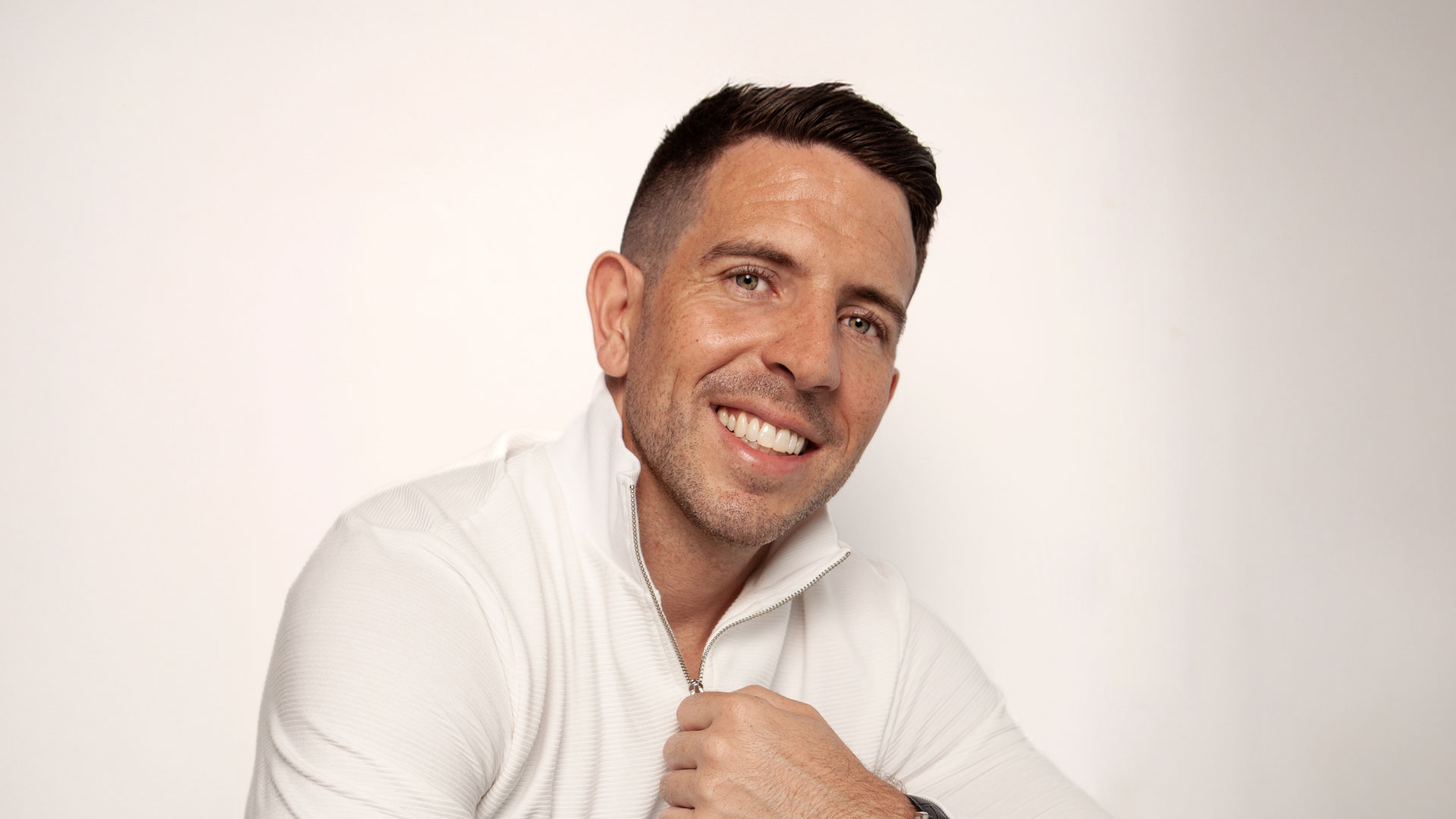
(Aidan O’Brien is Strategic Advisor, Executive Mentor & International Speaker)