Recent moments of uncertainty have exposed a deeper layer of consumer understanding in the UAE — one shaped less by nationality alone, and more by mindset, lived experience and emotional connection.
The UAE is one of the most complex consumer markets in the world. With more than 200 nationalities living side by side, marketers are tasked with navigating an audience landscape shaped by different cultures, languages, experiences and expectations, often all within a single campaign.
Naturally, this has made segmentation a critical part of regional marketing strategy. But in a market defined by movement and fluid identity, demographics alone can only take us so far.
While the industry has long focused on what makes audiences in the UAE different, recent moments of uncertainty have brought something else into sharper focus: the experience of building a life here, and the mindsets that connect people beyond a passport or demographic label.
For marketers in the region, complexity has naturally encouraged increasingly granular audience segmentation. The intention is understandable: to respect cultural nuance and speak to audiences in ways that feel locally relevant. But in practice, not every layer of segmentation is actionable, and the pursuit of precision can sometimes create complexity that’s difficult to meaningfully translate into strategy.
But there’s a risk in relying too heavily on difference alone. In trying to account for every audience separately, marketers can lose sight of the shared motivations and emotional truths that often connect them. The result is communication that becomes either fragmented in execution or so broad it loses resonance entirely.
Recent regional events have made this tension more visible. Moments of external pressure don’t create new behaviours, but they do reveal existing ones more clearly — how people respond to uncertainty, what they value most, and how deeply they connect to the place they call home.
And in a market like the UAE, that emotional connection often transcends nationality. Traditional demographic markers can tell us where someone is from, but they reveal far less about how someone thinks, what drives them, or how they experience life in the UAE. Brands can become highly precise in who they target, while still missing what actually resonates with them.
That distinction matters in a country where identity is often more fluid than the labels used to define it. People arrive in the UAE from vastly different circumstances; some driven by opportunity, others by necessity, family, or instability elsewhere, yet many share a similar mindset shaped by ambition, resilience, adaptation and the experience of building a life away from familiarity. I’m British, but the UAE is home. And while that’s only one version of a much broader reality, it reflects something many residents understand regardless of nationality: the emotional experience of choosing, building and investing in a life here.
In a market shaped by movement, identity is far more fluid than traditional segmentation models allow for. None of this suggests that traditional segmentation is no longer relevant. Nationality, age and demographics remain essential tools for understanding audiences in the UAE. But on their own, they cannot fully explain behaviour, particularly in a market shaped by movement, transition and emotional complexity.
Effective regional intelligence is not about replacing data, but enriching it with a clearer understanding of mindset, lived experience and emotional context. Because in a market as interconnected as the UAE, two people with entirely different backgrounds may still share the same aspirations, anxieties and sense of belonging.
Recent moments of uncertainty have sharpened this reality. They’ve revealed how many people, regardless of nationality, are connected by a shared emotional relationship with the UAE and a common desire to build stability, opportunity and home here.
As the country continues to evolve, marketers may need to ask a different kind of question — not just who audiences are on paper, but what truly connects them beneath the data. Because in a market shaped by movement, adaptation and shared experience, that layer of mindset is often where the most meaningful and lasting insight exists.
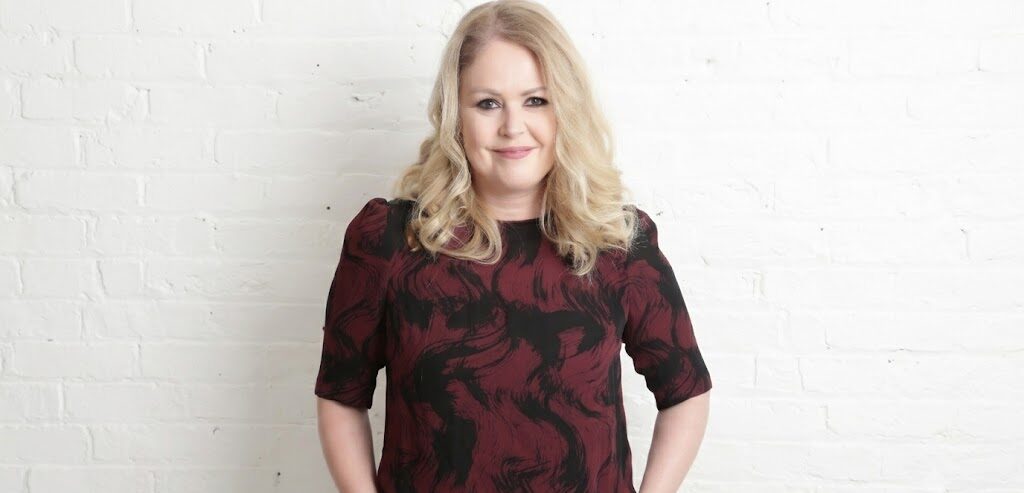
(Adele Baxter is the Managing Director at JWI)