Marketing has spent decades treating age as destiny. Consumers are divided into generations and targeted according to assumptions about what people in their twenties, forties or sixties should value. The longevity economy is beginning to disrupt this model.
A 28-year-old tracking sleep quality, a 45-year-old investing in preventive diagnostics and a 70-year-old booking an active wellness retreat may have more in common with one another than with people of the same chronological age. What connects them is a desire to extend healthspan—the period of life spent healthy, capable, independent and economically active.
This shift is particularly important in the Gulf. With the UAE’s longevity market valued at $32 billion, opportunities are emerging across wellness, beauty, luxury, hospitality, technology, food, real estate and lifestyle.
For CMOs, agencies and creators, longevity is not simply another healthcare category. It represents a wider change in consumer behaviour, expectations and perceptions of value.
Longevity is not only about older consumers
The first mistake brands can make is to interpret longevity as marketing for older people. Longevity is a cross-generational economy built around prevention, performance, resilience and quality of life. It includes younger consumers seeking better sleep and cognitive performance, executives managing energy and stress, families making long-term health decisions, and older adults determined to remain active.
This is especially relevant in the GCC, where young populations, high purchasing power, rapid digital adoption and multigenerational households coexist with growing investment in preventive healthcare. Instead of just supporting people as they grow older, the opportunity lies in helping them remain healthier throughout life.
Move beyond traditional age segments
Demographics will remain useful, but they will no longer be sufficient. Brands will increasingly need to understand consumers according to their relationship with health and personal optimisation. Some consumers are optimisers, using wearables, testing and data to improve performance. Others are preventers, focused on reducing future health risks. Care navigators make decisions for children, parents and wider families, while peak-life performers want to preserve energy, appearance and cognitive capacity during demanding professional years. These groups cut across conventional generations and require different products, messages and experiences. The central marketing question is changing from “How old is this consumer?” to “What kind of future is this consumer trying to protect?”
Healthspan will redefine premium value
Premium positioning has traditionally been built around exclusivity, craftsmanship, convenience and status. Longevity adds another dimension; that is the ability to enjoy life for longer.
In luxury, time and sustained capability may become the ultimate expressions of wealth. In hospitality, wellness will move beyond spa treatments towards personalised nutrition, sleep optimisation, recovery and diagnostics. Beauty brands will increasingly shift from concealing age towards resilience, repair and long-term skin health. Technology brands will need to move from simply collecting health data to interpreting it and guiding better decisions. Food and lifestyle brands will also face greater demand for transparency, measurable benefits and healthier defaults. The opportunity is not to place the word “longevity” on an existing product. It is to redesign the value proposition around sustained human capability.
Build long-term relationships, not short-term campaigns
Longevity changes the time horizon of brand strategy. A conventional campaign aims to generate an immediate response. A longevity-oriented relationship may continue for years through memberships, personalisation, coaching, diagnostics and recurring services.
This will encourage new partnerships between industries such as hotels and healthcare providers, beauty companies and diagnostic platforms, insurers and fitness brands, and luxury developers and preventive-health operators.
The strongest brands may not own every part of the customer journey. Their advantage will come from creating a credible ecosystem around the consumer and remaining relevant as their health priorities and ambitions evolve.
Trust will become a competitive advantage
The more brands move into health-adjacent territory, the greater their responsibility. Consumers interested in longevity are exposed to exaggerated claims, scientific complexity and anxiety about ageing. Brands relying on fear, miracle language or unsupported promises may gain attention but create serious reputational risks.
Evidence must become part of the creative strategy. Marketers need clear standards for health claims, scientific substantiation, personal data and responsible personalisation. The same applies to creators. Longevity content requires more than reach. It requires expertise, transparency and the ability to distinguish education from diagnosis. Long-term partnerships with credible clinicians, educators, athletes and specialist creators will often be more valuable than isolated celebrity endorsements.
A more positive vision of ageing
Traditional anti-ageing marketing has often suggested that ageing is a failure to be corrected.
The longevity economy offers a more constructive narrative. The aspiration is not to remain permanently young. It is to remain capable—to travel, work, learn, create, care for family and participate in society for longer.
For agencies, this opens new creative territory around energy, resilience, independence and time. It also creates space for distinct GCC narratives around family continuity, achievement, hospitality and intergenerational prosperity.
The GCC has the capital, infrastructure and consumer appetite to become one of the world’s most significant longevity markets. And marketers now have an opportunity to define how that market communicates.
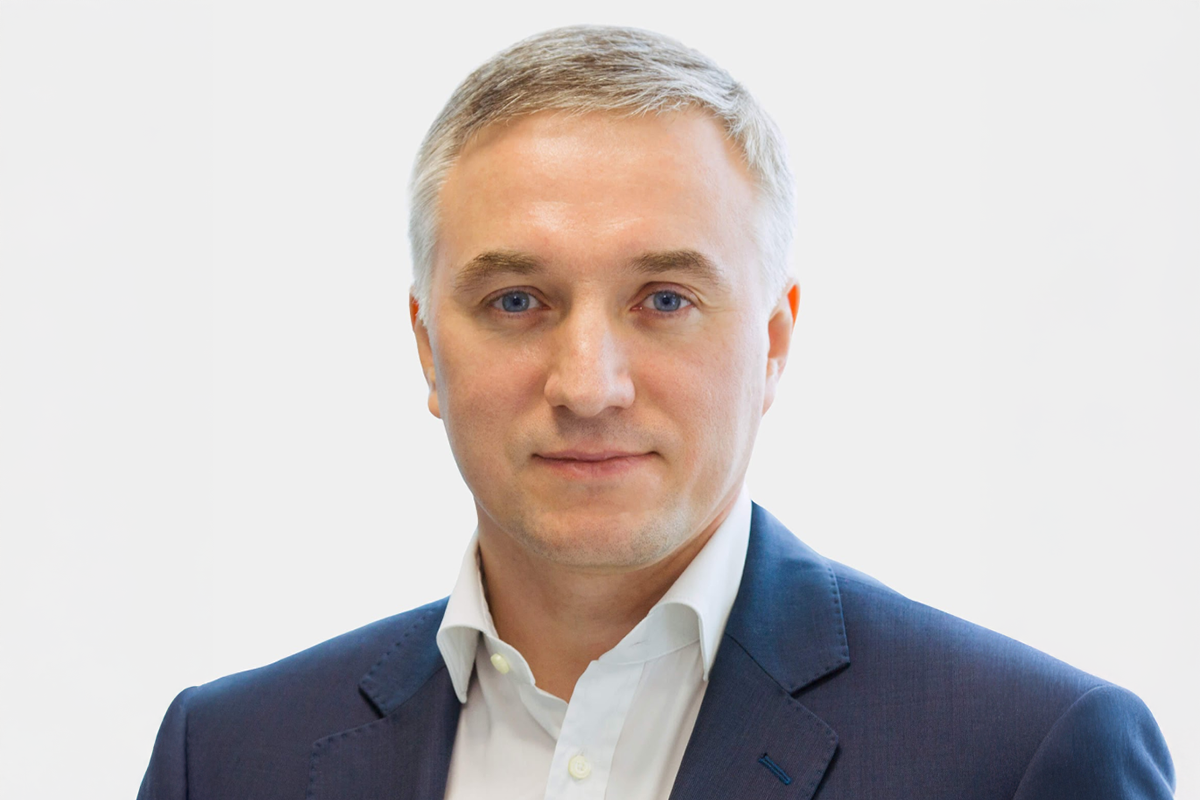
(Dmitry Kaminskiy is General Partner, Deep Knowledge Group)