For years, B2B marketing has treated reach as a measure of strength. More impressions, more formats, and more channels meant greater visibility. But in my conversations with CMOs in the UAE and Saudi Arabia over the past year, one theme has come up repeatedly: marketers are finding it harder to translate visibility into genuine influence. A brand can be widely seen and still not be remembered or considered when it is decision-making time.
That gap is becoming more important as younger professionals gain influence in business buying decisions. New LinkedIn research shows that more than 80% of B2B marketers in the UAE and 95% in Saudi Arabia agree that their company’s growth depends on influencing younger decision-makers, including Gen Z.
But the real challenge is not simply reaching this audience; it is earning their trust. The brands that win will be those that show up credibly through people and professional communities that buyers trust.
Attention wins the scroll, but trust wins the decision
Short-form and immersive videos are powerful tools for capturing attention, but what makes someone stop scrolling is not always what makes them consider a brand. When Gen Z buyers move into evaluation, professional validation matters. Nearly three quarters of UAE marketers, at 72%, and 94% of Saudi marketers say Gen Z buyers are more likely to consider a brand when it has been recommended or validated by someone in their professional network.
At LinkedIn, we see this dynamic every day. The content that generates the strongest business outcomes is not necessarily the loudest. It is often the content that helps professionals learn something, solve a problem, or hear from someone they trust within their industry.
AI makes credibility more valuable
AI is changing how buyers discover information, as it surfaces and summarizes content at speed. And marketers are responding: 44% in the UAE and 67% in KSA expect their organizations to increase investment in AI search optimization over the next 12 months.
There is a risk here for marketers, but it is not that AI will make content irrelevant. It is that AI will make average content easier to ignore. As more information is created and surfaced by artificial intelligence, buyers need clearer signals of credibility.
That is already reflected in the data: 70% of UAE marketers and 81% of Saudi marketers agree that buyers trust human expertise more than AI-generated content, and more than three quarters in both countries say that brands must show up in trusted professional networks to prove credibility.
In MENA, trust is also a response to uncertainty
This shift is especially relevant for us in the region, where companies are navigating rapid economic transformation, AI adoption, and periods of regional uncertainty. In this environment, trust is not a nice-to-have for brands anymore. It is now an essential part of how businesses manage risk and stay relevant to decision-makers.
LinkedIn’s research shows that recent regional developments are already influencing how marketers think about growth. In the UAE, 72% say periods of regional uncertainty have made their companies placing greater emphasis on trusted professional networks. In Saudi Arabia, 69% say the same.
The public sector lens reinforces the same point. When asked what helps brands build credibility with government and public sector stakeholders, UAE marketers point first to participation in industry discussions, while Saudi marketers prioritize thought leadership and expert insights. In both markets, credibility is built through relevance, participation and trusted voices, not visibility alone.
From impressions to influence
The opportunity for B2B brands is bigger than treating professional networks as another distribution channel, and requires a different operating model. Brands cannot appear only when they have a campaign to launch or a product to sell. They need to build credibility continuously through leaders with a clear point of view, employees with subject-matter expertise, and customers with real experience.
The strongest B2B strategies will combine both visibility and validation. As younger decision-makers gain influence and AI increases the volume of information competing for attention, marketers need to ask a better set of questions. Not only: how many people saw us? But: who believes us, who recommends us, and are we part of the professional conversations shaping decisions?
In closing, it is important to note that this shouldn’t become an either-or conversation. The opportunity is to find the right balance between what AI can enable and where human expertise, judgment and credibility matter most. No one has the definitive answer yet, the technology and our behaviors around it are evolving too quickly for that. The brands that get this right will be the ones that keep experimenting, learning, and adapting as they go.
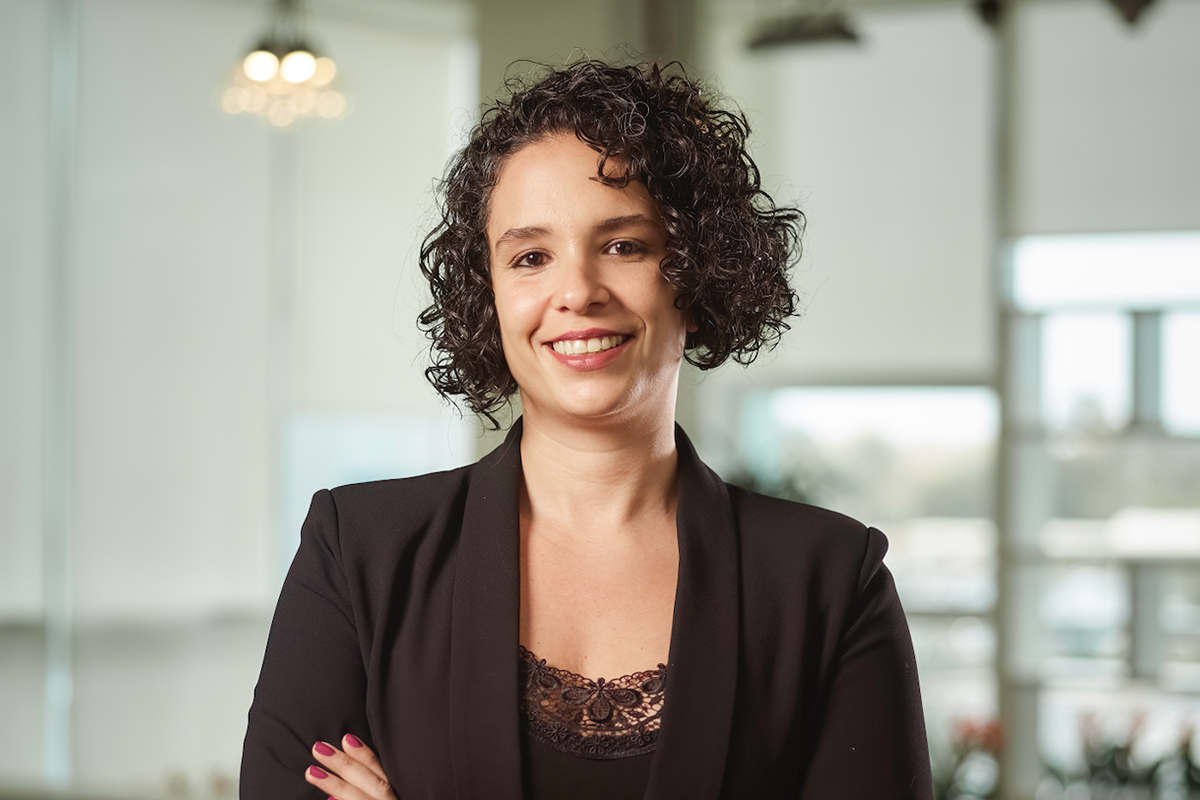
(Jessica Machalani is Head of LinkedIn Marketing Solutions)