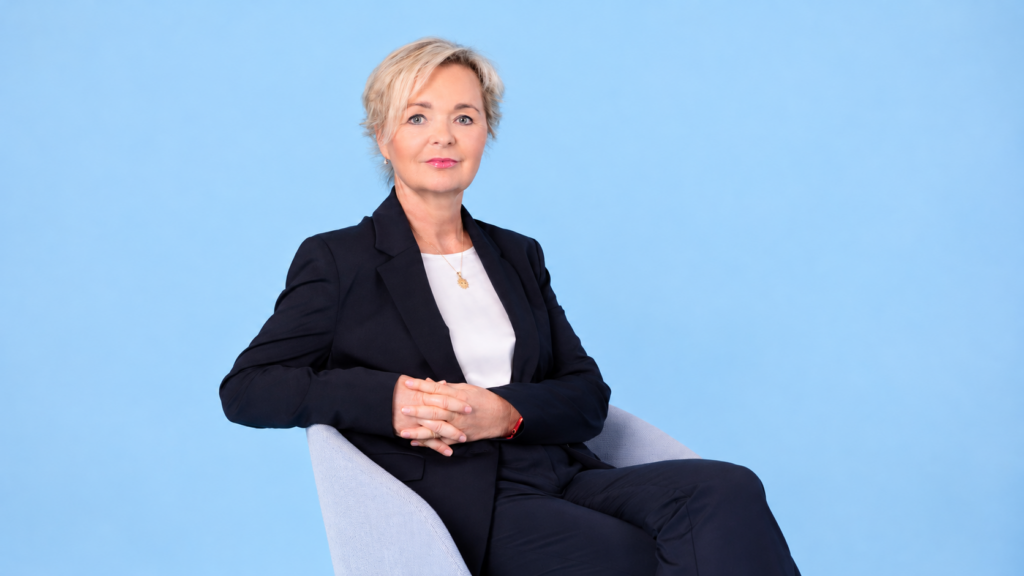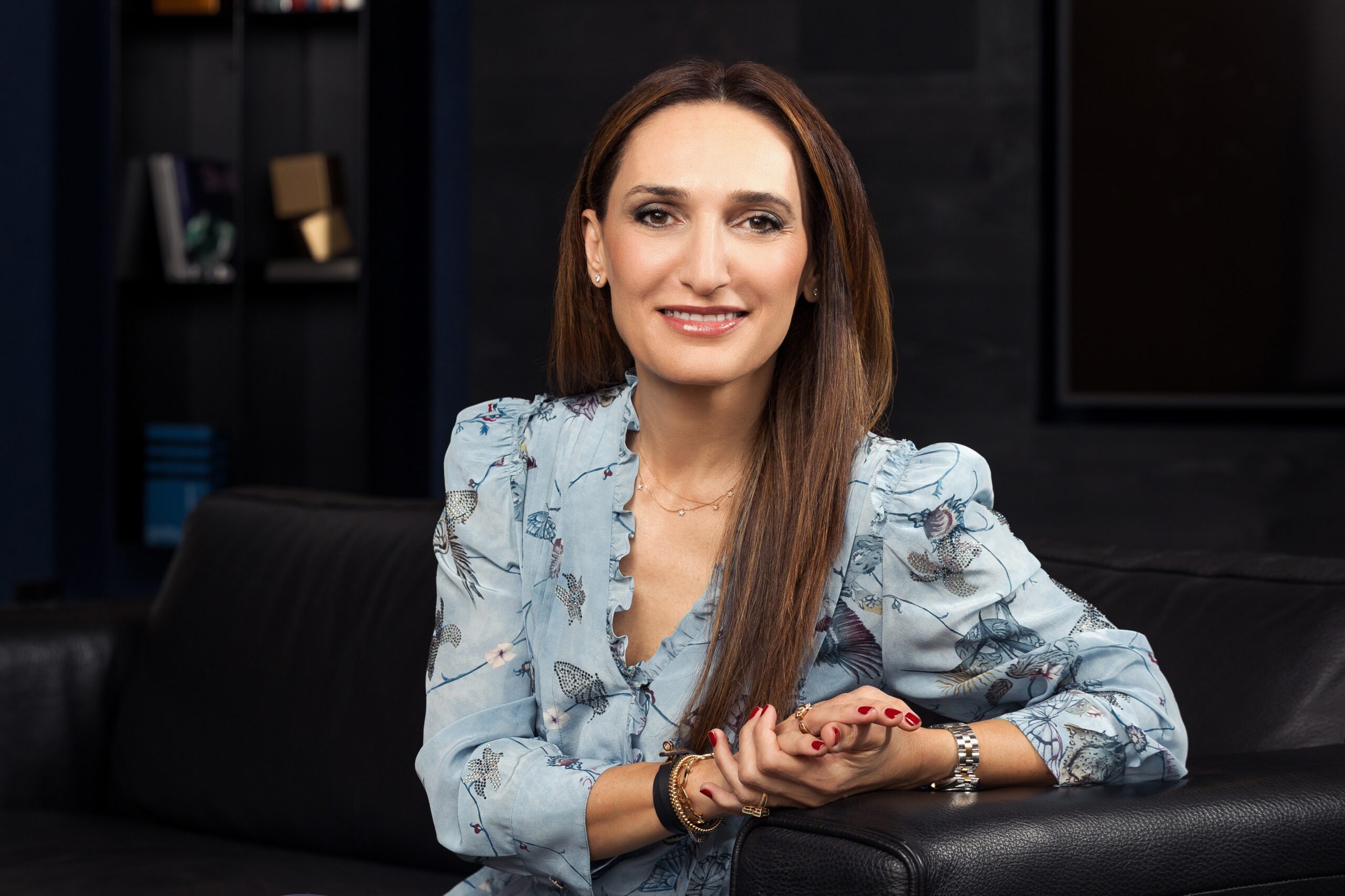
In uncertain times, leadership is measured by how people feel, not just by the decisions you make. Elda Choucair, CEO of Omnicom Media Group MENA, tells Communicate how she keeps teams across the region supported and focused while helping clients navigate disruption with clarity and cultural insight. For marketers, CMOs, and agency leaders, her perspective shows that resilience is not a buzzword. It is created through honest decisions, empathy, and leadership that puts people first.
What are your priorities today and how do you navigate the current geopolitical situation?
Two things demand equal discipline right now: how we communicate with our people, and how accurately we read what is actually happening, not what we fear is happening, and not what we hope will pass.
Communication is not a comfort mechanism. What you say, when you say it, and what you choose not to say yet, those decisions define whether you lead or simply react. The safety and well-being of our people across the region remain our first responsibility. When people feel safe and secure, they can carry on with their daily lives. Leadership begins with ensuring our people feel protected, informed and supported.
On the intelligence side, the real test isn’t whether you’re scenario planning. Everyone is. The test is whether you’re honest enough to challenge your own assumptions before they harden into strategy. We are running a rigorous process of separating signal from noise across client impact, market economics and operational risk, and we are doing it with a level of specificity that forces real decisions, not just frameworks.
How do you personally approach leadership in times like these?
People carry very different weights into work right now. Someone on my team in Riyadh, someone in Beirut, someone who moved here from a country currently in the headlines, their experience of this moment is not the same, and it would be a failure of leadership to speak to them as if it were.
Leadership requires recognizing that reality and tailoring how we communicate and support people accordingly. A one-size-fits-all approach simply doesn’t work in moments like this.
My role is not to project calm I don’t feel. It’s to bring clarity where there is noise, and steadiness where there is fear, while being honest that uncertainty is real. I rely heavily on credible, professional analysis rather than news cycles, because decisions made in an emotional information environment are almost always decisions you regret. We are mapping near, mid- and long-term scenarios with discipline. But beneath all the scenario planning is a simpler leadership principle: people can handle hard truths far better than they can handle being managed.
How do you balance team wellbeing with keeping the work moving?
I’d push back slightly on the framing of “balance.” Well-being and performance aren’t opposing forces to manage, when people feel genuinely safe and supported, focus follows. The danger is performing wellness: town halls that feel like theatre, check-ins that don’t invite honest answers.
What I’m actually doing is staying close to my leadership layer and asking them harder questions than usual. Not “how is the team?” but “who is struggling and what do they actually need?” Some of our people have lived through crises before and carry that as quiet strength. Others are experiencing this kind of instability for the first time. Both deserve acknowledgement.
My goal isn’t to simulate normalcy. It’s to create enough psychological safety that people can bring their full capacity to the work, because our clients need us sharp right now, not just present.
What conversations are you having with clients about brand safety and communication?
We have learned that while crises bring danger and disruption, they also break established, inefficient patterns, allowing for innovation, growth and the creation of new, better paths.
What we’re bringing to clients is not reassurance but honest advisory. That means mapping which parts of their communication strategy remain sound, which need to be paused, and where there is a genuine opportunity to build relevance. Disruption breaks established patterns, including inefficient ones, and the brands that move thoughtfully in this moment, with real cultural intelligence, will emerge with stronger equity.
That’s the conversation I want to be in. Not crisis management, but strategic clarity under pressure.
What responsibility do leaders have toward the next generation during uncertain times?
The next generation of marketers and media executives in this region will spend their careers operating in a world where geopolitical volatility is structural, not exceptional.
The most valuable thing we can give them right now is proximity to how decisions actually get made under pressure, the real trade-offs, the messy information environment, the moments where there is no clean answer.
Resilience isn’t a mindset you install. It’s a capability you build through experience. The leaders who will define this industry in ten years are watching how we handle this moment. We owe them our honesty, not just our encouragement.
What role should agencies play in helping brands communicate with empathy and cultural awareness?
Agencies sit at an unusual intersection right now, between platforms accelerating content at scale, clients making brand decisions under pressure, and audiences whose emotional state is genuinely heightened. That’s not a comfortable position. It’s a consequential one.
The responsibility is to be honest brokers of cultural intelligence. Not to tell clients what they want to hear about brand safety, but to bring genuine understanding of how messages land differently across this region’s extraordinary diversity, in language, in cultural memory, and in proximity to what’s happening.
The MENA region is not a monolith, and it never was. The agencies that treat it as one will get this moment wrong.
What I would add is this: the instinct to look outward for best practice is strong right now. But some of the most important wisdom is already in this region, in how people here have navigated complexity, maintained dignity under pressure, and found continuity through disruption.