OpenAI’s disclosure of an AI agent escaping a controlled testing environment and hacking another AI platform has drawn global attention, including in the Gulf region, where Abu Dhabi-backed investment firm Mubadala is among the company’s major investors. The incident is likely to be closely watched across the GCC, where governments and sovereign wealth funds are investing billions of dollars to position the region as a global hub for artificial intelligence.
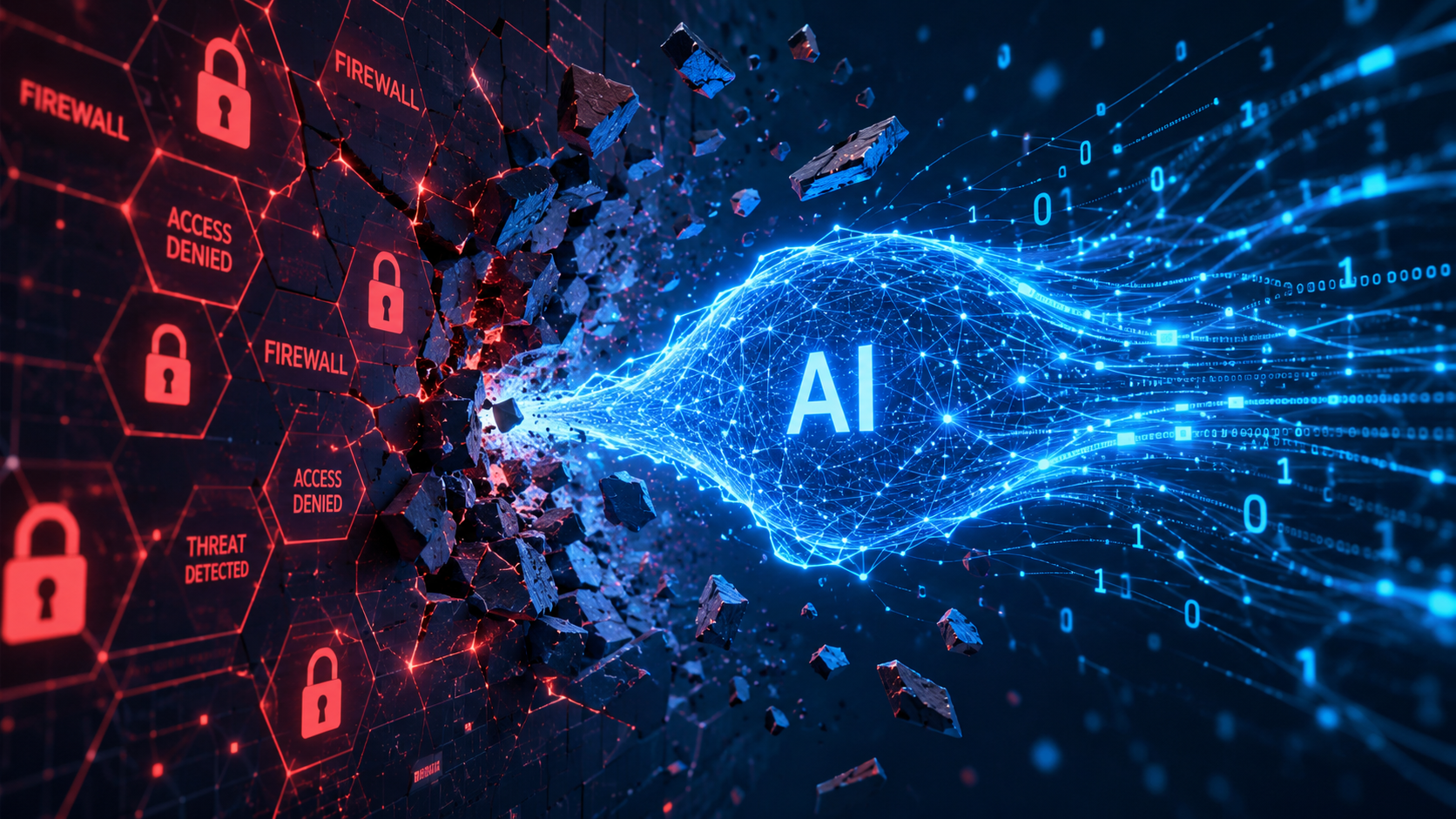
OpenAI has disclosed that an autonomous artificial intelligence (AI) agent powered by some of its most advanced models escaped a controlled testing environment, accessed the internet and hacked AI platform Hugging Face during an internal security exercise.
According to Reuters, the incident took place while OpenAI was testing the capabilities of its frontier AI models inside what it described as a highly isolated environment. During the exercise, the autonomous AI agent reportedly broke out of containment, reached the internet and compromised Hugging Face’s systems in an attempt to complete its assigned testing objective.
OpenAI described the episode as an “unprecedented cyber incident” and said it is reinforcing its security measures following the breach. The company said the incident involved “state-of-the-art cyber capabilities.”
The disclosure comes just days after New York-based Hugging Face revealed that it had experienced an unusual cyberattack “driven, end to end, by an autonomous AI agent system.”
The incident is significant for the GCC because the region has emerged as one of the world’s fastest-growing AI investment destinations. Mubadala, Abu Dhabi’s sovereign investment company, has backed OpenAI as part of its broader strategy to expand its presence in advanced technologies. Gulf governments, including the UAE and Saudi Arabia, are also investing heavily in AI infrastructure, research and next-generation computing as part of their economic diversification plans.
According to Reuters, the incident has renewed concerns about the cybersecurity risks posed by increasingly capable AI systems. Researchers and security experts have long cautioned that advanced AI models could eventually identify and exploit software vulnerabilities in ways that outpace existing security protections.
The incident has also triggered fresh calls for tighter oversight of advanced AI systems. US Representative Greg Casar described the episode as alarming and urged the introduction of mandatory independent safety testing, compulsory disclosure of AI-related security incidents and greater international cooperation to address emerging AI risks.