Hala Badri, Director General of Dubai Culture and Arts Authority (Dubai Culture), has highlighted the role of investment in creative communities, cultural partnerships and community engagement in building stronger, more sustainable cities.
Speaking at the opening plenary of the 15th World Cities Culture Summit in Tokyo, Badri said culture plays an important role in shaping urban development, strengthening community connections and creating opportunities for people to contribute to their cities.
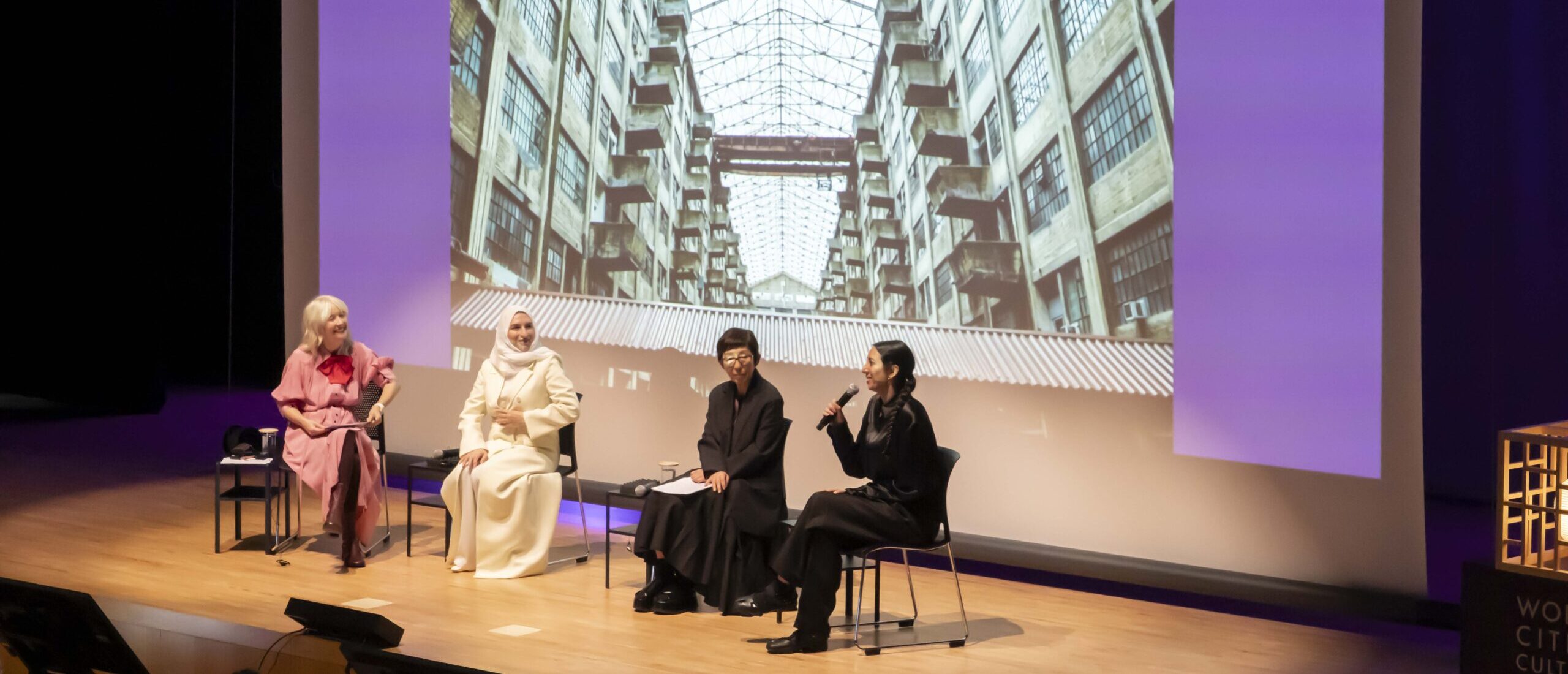
Badri participated in a session titled ‘The Human City: Is Culture the Infrastructure of the Future?’, alongside Diya Vij, Commissioner for Culture, New York City, and Kazuyo Sejima, Principal and Co-Founder of Kazuyo Sejima & Associates and SANAA. The discussion was moderated by Justine Simons OBE, Founder and Chair of the World Cities Culture Forum.
During the session, Badri said the success of cultural cities should be assessed beyond economic indicators. While culture’s contribution to employment, economic growth and creative industries remains important, she said its social and human impact is equally significant.
She cited providing artists with access to creative spaces, helping small businesses reach new audiences and creating opportunities for communities to connect as initiatives that can have a lasting impact on individuals and their sense of belonging.
Dubai experience
Drawing on Dubai’s experience, Badri highlighted Mawaheb, an art studio supporting adults of determination, as an example of how cultural investment can foster confidence, independence and human connections.
She also stressed the importance of involving creative communities in shaping policies and initiatives that affect their work. She said Dubai Culture works to understand the challenges facing artists, designers, creative businesses and cultural organizations, bringing together government entities, private-sector partners and cultural institutions to identify practical solutions.
Badri highlighted a collaboration between Dubai Culture and Dubai Future Foundation that brought together representatives from the creative community, businesses and government to understand their needs and priorities. The discussions explored ways to mobilize existing resources and partnerships to support access to creative spaces, markets, funding and opportunities for artistic development.
Dubai Cultural Strategy 2033
The collaborative approach also informed the Creative Sector Resilience Portfolio, which brings together initiatives to support creatives and cultural organizations.
Badri said insights from these discussions were informing the priorities of the Dubai Cultural Strategy 2033, particularly efforts to strengthen the long-term sustainability of creative talent and businesses.
In her closing remarks, she said belonging was central to the concept of the human city, adding that the future of cities was shaped not only by infrastructure and technology but also by people’s connections, representation in their city’s culture and opportunities to contribute to its development.