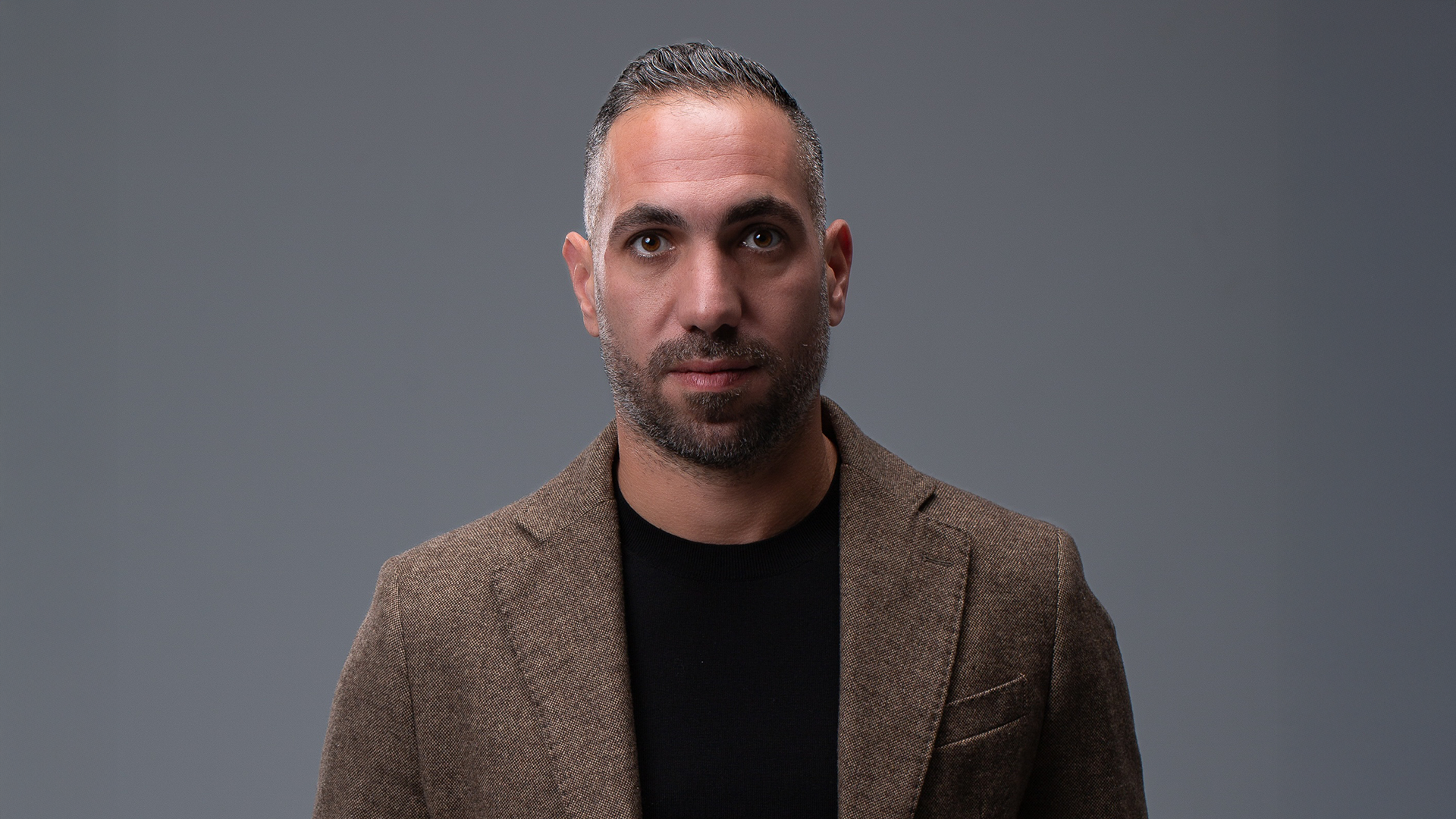
GCC are being forced to rethink how they manage customer experience, technology integration, and omnichannel execution. Mostafa Yasseen, Co-founder of Parallel, believes that while uncertainty is creating operational challenges—from cost inflation to lead-time unpredictability—it is also exposing structural gaps in how brands coordinate marketing, retail, and supply chain functions. In this interview, Yasseen explains why technology alone cannot fix fragmented consumer journeys, why CX must be treated as an operating discipline rather than a marketing function, and how brands that master execution—not just innovation—will be the ones that thrive by 2030.
How do you see the current geopolitical situation affect the FMCG/CPG industry?
It’s difficult to make predictions right now; there’s uncertainty around duration and what the new normal will look like. What I can say is that geopolitical volatility impacts FMCG/CPG in three immediate ways: supply disruption, cost inflation, and lead-time uncertainty.
While the situation is challenging, it does create an opportunity for brands that are genuinely 100% locally sourced and produced. In this environment, that resilience becomes a real advantage, especially when it translates into reliable availability, stable pricing, and quality at shelf.
Consumer journeys in the GCC are increasingly fragmented across touchpoints, channels, and teams. What are the biggest gaps CPG brands face today, and how can they ensure a seamless journey from discovery to purchase?” Many CPG brands invest heavily in technology, but the customer experience often remains disjointed. How should brands think about integrating tools, data, and human touch to drive real impact?
Consumer journeys are fragmenting because brands add touchpoints faster than they’re connecting them. This is especially visible in complex categories where multiple teams and partners touch the journey. The biggest gaps usually show up at the transitions. What the customer sees in discovery doesn’t match what happens in purchase.
In CPG, brands rarely own the full end-to-end journey, retailers and marketplaces do. In contrast, sectors like automotive highlight how critical orchestration becomes when the brand does own more of the journey.Seamless means the customer meets one consistent truth at the point of decision, wherever they discover and buy: the right SKU is easy to find, the information and promotion are consistent, and it’s available when they’re ready to purchase.
To achieve that, brands need a connected and clear governance model: clear ownership of product truth, promotion setup and validation with partners, and availability readiness before campaigns scale. When ownership is explicit and the rules are enforced consistently across channels and touchpoints, the handoff from discovery to purchase becomes predictable and seamless, even in a retailer/marketplace led model.
Tech isn’t the problem. Coordination is. The experience stays disjointed when there’s no operating model that connects tools, data, and the human layer, with journey-level visibility into where execution breaks down. When product truth, availability, and promotions are aligned across channels and retail partners, and paired with the right feedback signals, brands can detect issues earlier, give support teams full context, and resolve breakdowns faster, not only at discovery and purchase, but across fulfillment, support, and loyalty.
CMOs are demanding accountability for both creative and media spend. How can a more structured, orchestrated approach to CX help CPG marketers measure the true ROI of their campaigns and touchpoints?
CMOs are right to push for accountability, because in CPG the ROI of a campaign isn’t determined by creative and media alone, it’s determined by how well the journey executes once demand is created. If the product isn’t easy to find, the listing isn’t decision-ready, the promotion isn’t applied as communicated, or the SKU is out of stock, the spend looks inefficient even if the marketing did its job.
A structured, orchestrated CX approach helps marketers measure true ROI by moving beyond channel metrics to journey-level performance. It connects campaign performance to the execution signals that actually make or break conversion such as product truth quality, promo integrity, and availability during the campaign window. That gives a clearer read on whether performance issues are a marketing problem or an execution problem.
Most importantly, it turns measurement into action. Instead of reviewing results after the fact, teams can use these signals as readiness gates and in-flight controls, pausing spend when availability breaks, fixing content or promo execution quickly, and reallocating budget toward channels and retailers where the journey is working. That’s when ROI becomes measurable, explainable, and repeatable.
With retail media and e-commerce growing rapidly in the GCC, how can brands make sure their online and offline touchpoints work in parallel rather than in silos, especially in fast-moving categories like FMCG?
Online and offline work in parallel when they’re run as one go-to-market operating model, not as separate channel plans. For FMCG, omnichannel means the customer experiences one joined-up journey across digital shelf and physical shelf, regardless of where conversion happens.
The practical way to get there is to organize execution around the customer journey, not the channel, and run it through a shared operating system across marketing, trade, e-commerce, and supply teams, working against the same priorities, ownership, and rules. This mirrors what we see in sectors like automotive, where disconnected execution immediately shows up as lost demand or poor experience. When the foundation is in place, retail media amplifies what’s actually available and properly executed, rather than driving demand into disconnects.
Finally, use one shared scorecard that keeps online and offline aligned so teams are measured on the same outcomes rather than competing KPIs.. When ownership and measurement are unified, omnichannel stops being a concept, it becomes consistent performance at scale.
Fast forward to 2030, what will separate the CPG brands that thrive in the next 3–5 years from those that struggle? Is it technology, culture, or the way they orchestrate the customer experience?
By 2030, the brands that thrive will be the ones with the strongest operating model. Technology will be a baseline, but what separates winners is how well they orchestrate execution across channels and partners through clear ownership, consistent standards, and journey-level visibility into where performance breaks.
Culture matters too, but mainly in whether teams can work cross-functionally and act on what the data is telling them. The brands that struggle will keep functions in silos. The brands that win will run customer experience as a measurable system that is consistent, connected, and continuously improved.
If you could change one thing about how CPG brands approach customer experience in the GCC, from strategy to execution, what would it be, and why do so few/any brands actually do it?
I’d shift CX from being silod in functions and touchpoints, to being run as an operating discipline, with clear ownership and journey-level measurement across the handoffs that actually make or break purchase and repeat behavior.
Most brands don’t do this because it cuts across how organizations are structured. Marketing, trade, e-commerce, and supply each optimize their own targets, and much of the execution happens through retail partners, which dilutes accountability. It also requires governance and change management through introducing new standards, decision rules, and ways of working that teams have to adopt consistently. That’s harder than launching another campaign or buying another tool. But once it’s embedded, experience becomes consistent, issues become visible early, and performance becomes scalable and sustainable.