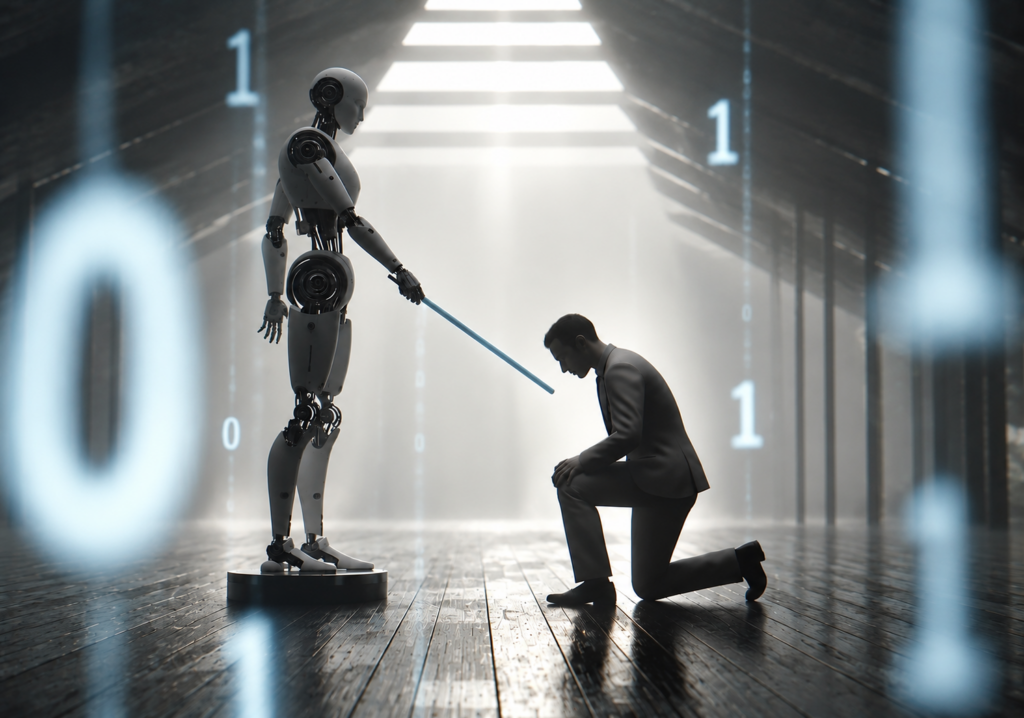
Artificial intelligence can generate content at unprecedented speed, but marketing leaders believe its ability to replace human influencers remains limited by one essential factor: trust.
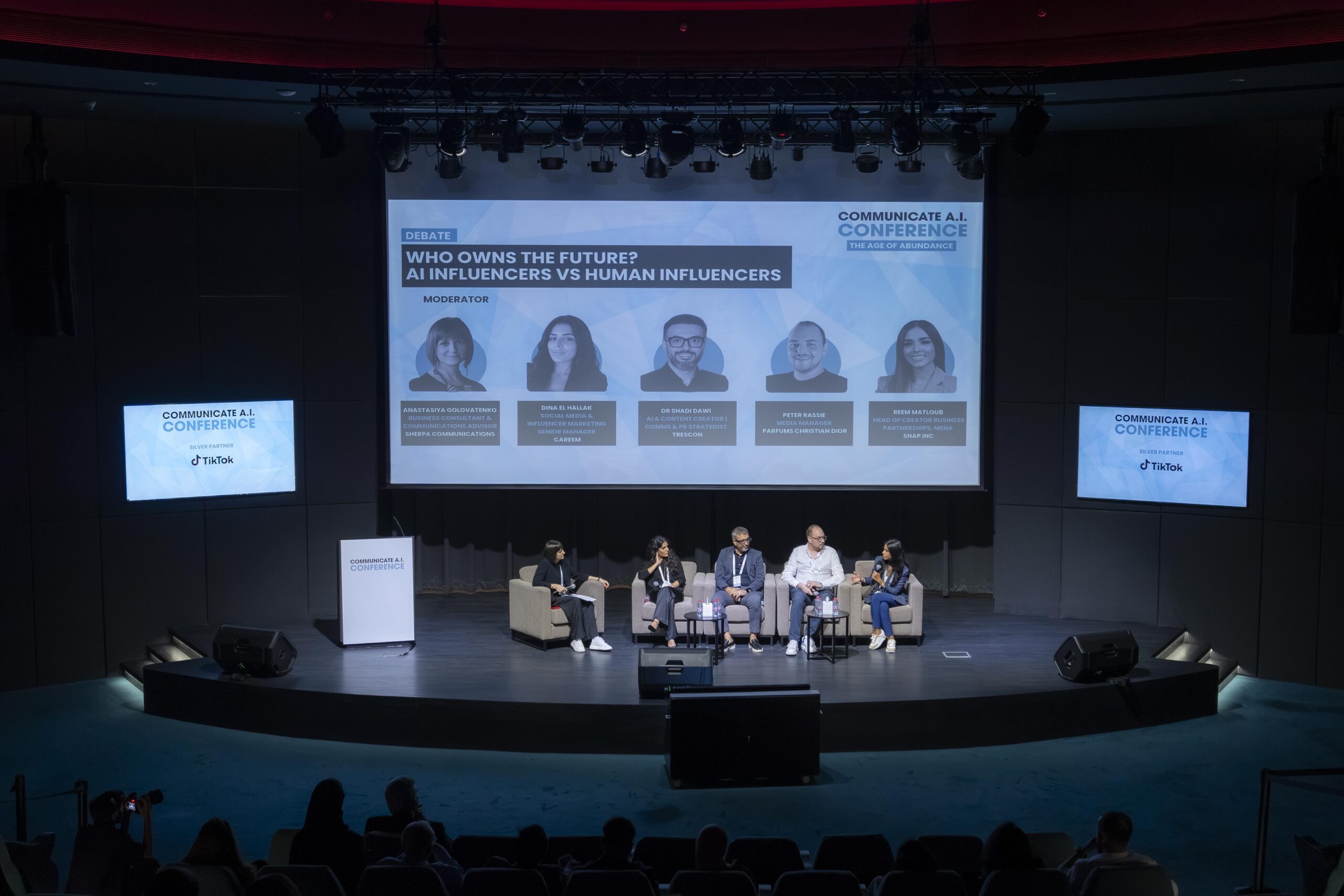
At Communicate AI, held on September 29 at Dubai Knowledge Park, executives from Snap Inc., Careem, Parfums Christian Dior and Trescon argued that AI should enhance influencer marketing rather than replace the people behind it. While synthetic creators offer brands greater speed and scalability, human influencers retain an advantage through their personalities, lived experiences and ability to connect with audiences.
The discussion, titled “AI influencers: Who owns the future?”, explored how brands should navigate the growing use of AI-generated content without sacrificing authenticity, cultural understanding or consumer confidence.
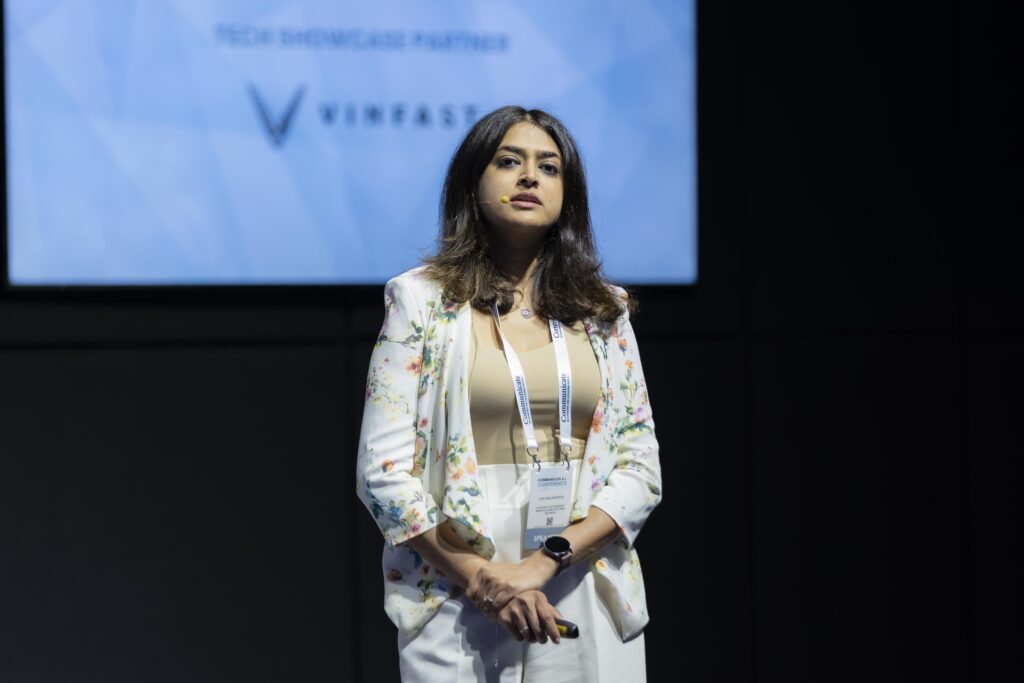
“We always think about AI as a tool in Snapchat because we are a human first platform, and we believe technology actually starts from people, not the other way around,” said Reem Matloub, head of creator business partnerships, MENA, at Snap Inc.
Matloub said Snapchat creators build relationships with their audiences through daily stories and personal moments, sometimes sharing 50 to 60 stories a day. That sustained interaction, she argued, is difficult to reproduce through artificial intelligence alone.
Snapchat can use AI to help creators generate ideas, accelerate production and improve brand partnerships. But the relationship between creators and their communities remains central to the platform’s value.
For luxury brands, the limitations are particularly apparent. Peter Rassie, media manager at Parfums Christian Dior, said brands invest heavily in their global faces and the rights to use their images, making the question of authenticity especially important.
“Is it really authentic? Is it really human? Will they connect with it? Will create the same desirability that a spokesperson would?” Rassie asked, highlighting the challenge of reproducing the appeal of established brand ambassadors through synthetic personalities.
Consumers, he added, are capable of distinguishing between AI-generated and natural content. Brands therefore need to consider how AI can complement campaigns without damaging their image.
“A clear red line would be, at least for now, not to go 100% AI based,” he said.
Trust remains the differentiator
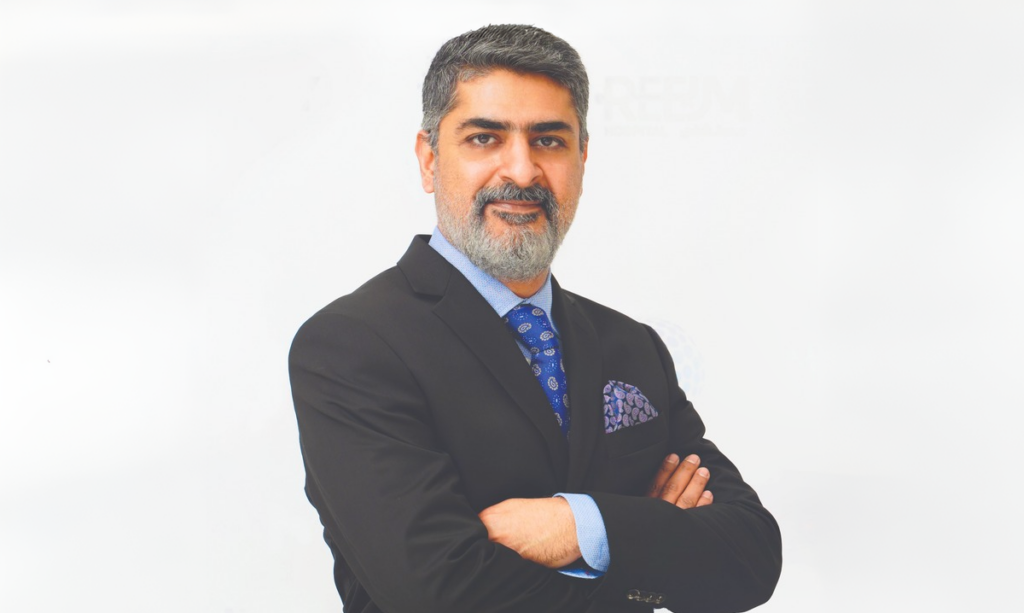
Dr Shadi Dawi, AI and content creator and communications and PR strategist at Trescon, argued that the technology’s predictive capabilities do not make it a substitute for human judgement.
“We follow people. We don’t follow patterns,” he said, emphasising the importance of human connection in influencer marketing.
Dawi said he uses an AI agent on WhatsApp but has programmed it with boundaries, allowing him to intervene in important discussions. The example, he explained, illustrates how AI can support human activity without taking over decisions that require judgement.
“I still I really strongly believe that it’s still too early for AI influencers to replace human influencers,” he said.
He also cautioned against relying on AI outputs without verification. Recounting an experience with Google’s NotebookLM, he said the tool mispronounced his surname when generating an audio file from questions and answers prepared for the session.
His broader concern was that errors can go unnoticed when people trust automated systems too readily.
“It’s very important to verify the data,” Dawi said, adding that trust should not be jeopardised in the pursuit of efficiency.
For Dina El Hallak, social media and influencer marketing senior manager at Careem, AI is already a potential competitor to human creators, particularly as its content-generation capabilities develop rapidly.
However, she said, human influencers retain an advantage through personality and the trust they build with audiences.
“What people are looking for is an edge that an influencer, a human influencer has over AI, which is promoting trust and having a personality,” El Hallak said.
She also pointed to the implications for creative jobs, saying AI was already replacing some work performed by videographers, editors and voice-over artists.
Yet she argued that people respond differently to creators whose experiences and emotions they can relate to than to content generated from a brand’s instructions and key messages.
Careem’s own customer-service experience illustrates the distinction. AI can help companies handle requests at scale, but a customer facing a late taxi or a delayed or cold food order wants to feel understood, rather than receive a generic automated response.
“The last thing you want is to feel like a robot is speaking to you,” El Hallak said.
Cultural relevance matters
The panel also examined whether AI can adequately reflect the cultural and linguistic nuances of the Middle East, where brands communicate with audiences from diverse nationalities and backgrounds.
Dawi highlighted the challenges of Arabic, warning that a translation can be technically plausible while missing the intended meaning. He argued that human oversight remains necessary, particularly in culturally sensitive communication.
Matloub similarly warned brands against selecting creators based solely on follower counts and views. Instead, they should identify people whose voices and creative approaches fit their objectives.
Brands need a clear strategy, she said, while allowing creators enough freedom to express the message in their own way. Focusing too heavily on short-term metrics can undermine the relationship between creators and their audiences.
“AI helps creators create faster, but doesn’t necessarily mean it’s a better influence,” she said.
The discussion also reflected the wider theme of Communicate AI’s third edition, “The Age of Abundance”, which examined what happens to creativity and marketing when producing content becomes easier and cheaper.
The panel’s conclusion was not that brands should resist AI, but that they must be more deliberate about where they deploy it.
In their closing advice, the speakers urged marketers to use AI to improve efficiency while investing in human creativity and knowing where to draw the line.
“We need to embrace the AI,” Dawi said, urging professionals to keep improving their skills and knowledge rather than fear the technology.
El Hallak said brands would need to invest more in human content and understand how to use AI effectively.
As the volume of synthetic content grows, the discussion suggested, producing more will not necessarily mean influencing more. For marketers, the competitive advantage may lie in knowing when technology can help — and when only a human can make the connection.