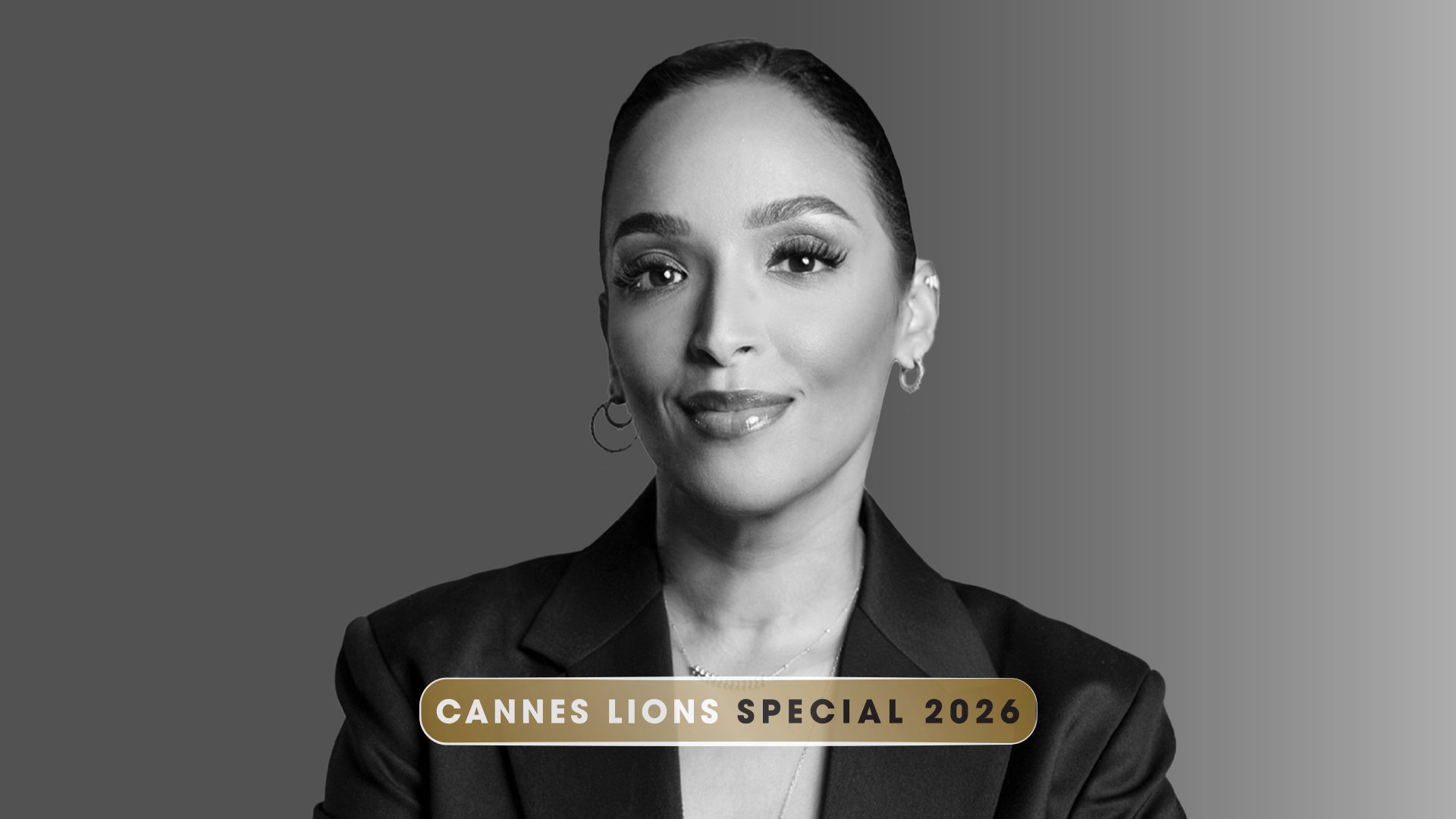
As the creative industry gears up for Cannes Lions 2026, the bar for what defines standout work is rising sharply. In this interview, Dana Tahir, Chief Executive Officer at HAVAS Red Middle East, outlines a decisive shift from creativity-led campaigns to ideas that deliver measurable, real-world impact.
What do you believe will define truly standout work at Cannes Lions 2026, and how is that standard evolving?
Truly standout work today goes beyond creativity for creativity’s sake; it delivers measurable impact and shapes culture in a meaningful way. The standard is evolving from “great storytelling” to “storytelling that drives change.” The work that will win isn’t just seen; it’s felt, shared, and proven in the real world.
What will set this year’s winning work apart in an increasingly complex creative landscape?
Clarity and conviction. We’re operating in a landscape that’s more fragmented and complex than ever, but the strongest work cuts through with a clear idea, executed with precision. The winning work will feel intentional, integrated, and impossible to ignore.
As Jury President for PR, how do you approach the responsibility?
I see this as both a privilege and a responsibility. PR has long sat at the intersection of creativity, culture, and business, but it hasn’t always been recognized for its full value. My role is to champion PR not as a supporting discipline but as a driving force behind the ideas that shape culture and deliver business impact.
PR loves to claim it drives real-world impact. How much is actually measurable?
PR has always been strong at shaping perception, but the industry is now under greater pressure to prove what that translates to in real terms. Some impact is measurable through behavior change, business results, or clear shifts in sentiment, but not all of it is captured with the same level of rigor.
This is where we need to be more disciplined. If you claim impact, it has to be backed by credible evidence. Otherwise, it risks being a well-told story rather than meaningful effectiveness.
Has PR finally earned its place at the creative table?
PR has absolutely earned its place. The lines between disciplines have blurred, and PR is now central to how brands show up in culture. Today, no campaign truly lives without PR. Whether it’s on social, in media, or across platforms, it’s the earned layer that determines whether an idea travels or fades. That said, legitimacy comes from consistently delivering work that stands up creatively and commercially. It’s no longer about being invited to the table; it’s about leading conversations at it.
How do you separate real impact from just a compelling story?
Separating real impact from a compelling story comes down to rigour. A strong narrative can be persuasive, but as a jury we have to look beyond how well something is told and ask what it actually did. We’re looking for clear, credible evidence that the work drove change, whether that’s in behaviour, business results, or cultural relevance. The most powerful ideas are those where the story and the outcome are inseparable; the narrative isn’t just well crafted, it’s proven to have moved something forward.
How is PR work from the Middle East evolving?
The Middle East has already proven it can compete and win at the highest global level. We’ve seen a consistent stream of world-class, award-winning work coming out of the region, and it’s something I’m incredibly proud of.
What’s exciting is the confidence in the work today. It’s more culturally grounded, more ambitious, and no longer trying to emulate other markets. It’s standing on its own, with a distinct voice.
My focus is on continuing to champion that progress, pushing for work that not only shows up globally, but sets the benchmark. This region isn’t emerging anymore; it’s influencing.
What’s one type of work you hope to see less of?
Work that overclaims and underdelivers. Strong case films can be persuasive, but they can’t compensate for an idea that lacks substance.
As a jury, we’re looking for integrity between the idea, the execution, and the results. If that alignment isn’t there, it becomes very clear, very quickly.