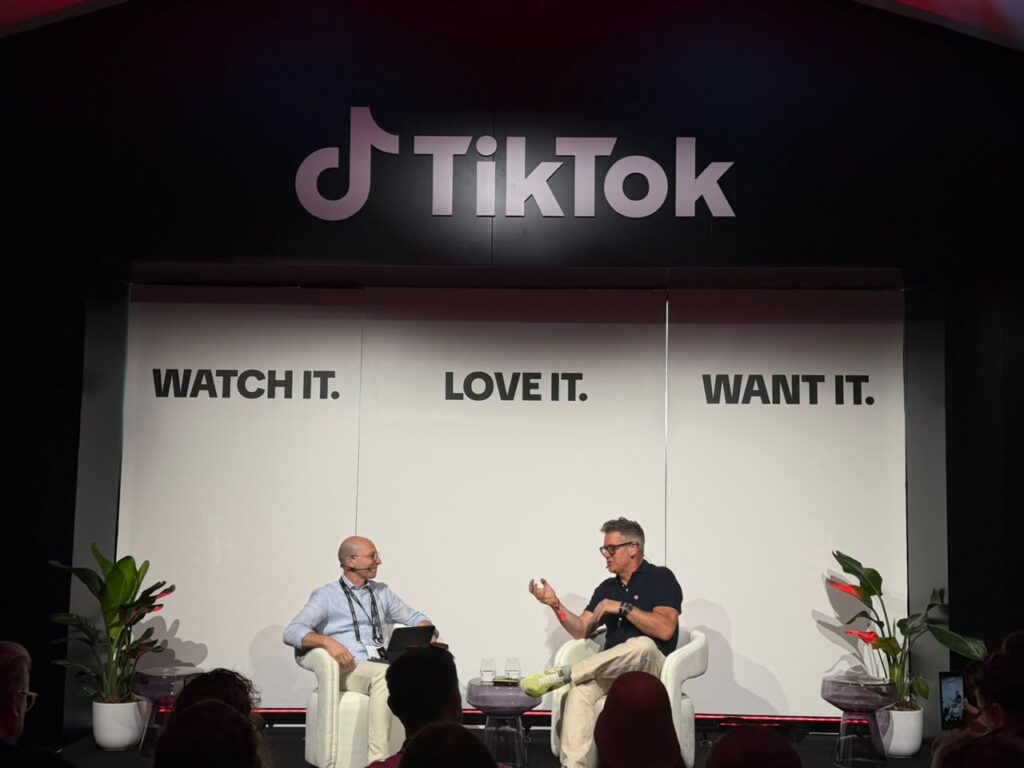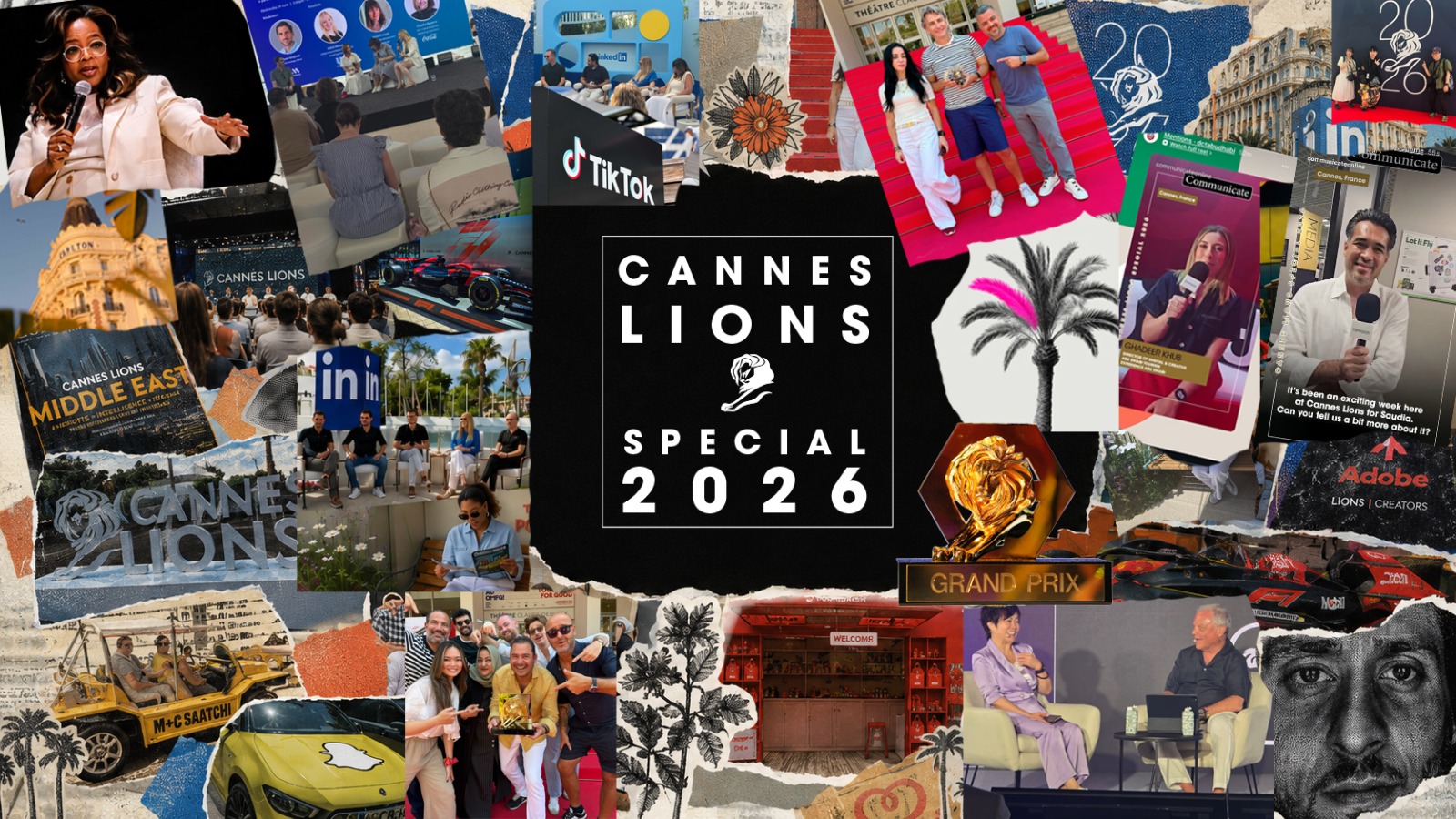
If there was one thing Cannes Lions 2026 proved, it’s that the world’s biggest advertising festival is no longer just about advertising.
Yes, there were yacht parties, beach houses and enough branded tote bags to furnish a small country. Oprah Winfrey (who received the Lion Heart Award), opened the week with a reminder that stories still shape the world. CMOs from Google, OpenAI and LinkedIn shared the stage with cultural heavyweights including Jay Shetty, Alex Rodriguez, Shaquille O’Neal, Ashley Graham and Eva Longoria, Paris Hilton, Priyanka Chopra Jonas, Ludacris, Colin Jost, and Stella McCartney. Somewhere between the Palais and the Croisette, creators, CEOs, influencers, sports personalities and creators Alex Cooper, Alix Earle, and Jimmy Donaldson (MrBeast) marketers all started speaking the same language. And that language wasn’t AI.
It was humanity.
For all the conversation around artificial intelligence, the industry’s biggest message was surprisingly human. Speaker after speaker argued that technology should amplify creativity, not replace it. AI may be transforming how work gets done, but people remain the competitive advantage. The future isn’t human versus machine. It’s human, technology, human.
At the same time, creators weren’t simply invited into the conversation. They became the conversation.
This felt like the year Cannes officially handed creators a permanent seat at advertising’s top table. More than 100 creators turned the Croisette into one giant networking hub, forging partnerships with global brands while proving influence now stretches far beyond content creation. Strategy, creative development, production and distribution increasingly live in the same ecosystem. Even the agency model found itself under the spotlight, with creator-led businesses making a compelling case that brands may not need traditional structures for every campaign.
Then there were the beaches.
Canva, Pinterest, Spotify and countless others transformed the Riviera into a living demonstration of experiential marketing. The smartest activations weren’t chasing impressions. They were creating moments people genuinely wanted to be part of. In a world obsessed with digital performance, Cannes reminded marketers that real-life experiences still create the strongest emotional connections.
Across every stage, another theme surfaced repeatedly: relevance beats reach.
The era of interrupting consumers is fading. Winning brands are embedding themselves into culture, participating in communities and creating meaningful interactions instead of broadcasting messages. Cultural relevance has become marketing’s new currency.
Perhaps the most refreshing part of the week, however, was that amid the conversations about platforms, algorithms and AI, Cannes never forgot why everyone came in the first place.
Creativity.
The Lions remain the industry’s highest honour, celebrating ideas capable of shifting culture, driving business and reminding marketers that great creative work still cuts through every technological shift. Campaigns like KitKat’s standout Grand Prix-winning work demonstrated that the simplest ideas, brilliantly executed, can dominate conversations for months before collecting the industry’s biggest prize.
For the Middle East, Cannes delivered another statement moment. Twenty Lions returned to the region, led by FP7 McCann MENAT, which was crowned MENA Network of the Year after turning 28 shortlists into 10 Lions across six categories. The work spanned everything from tackling food insecurity in Lebanon for Arla Foods to campaigns for Parkin, L’Oréal Paris and Spoor, demonstrating that the region’s creative ambitions are becoming as diverse as they are effective. More importantly, the wins reflected a broader shift. MENA is no longer arriving at Cannes hoping to be noticed. It’s increasingly helping define the global creative conversation.
Walking away from my first Cannes Lions, one thing became abundantly clear. The future of marketing won’t be built by AI alone. Or agencies alone. Or creators alone.
It will belong to the brands capable of bringing technology, creativity, culture and human connection together.
The yachts and rosé will always make the headlines.
The conversations quietly shaping advertising’s next decade are the reason everyone keeps coming back.