For marketers, gaming represents one of the biggest shifts in audience behaviour: the move from passive attention to active participation.
As younger audiences increasingly expect brands to contribute to the experiences they care about, gaming has become a testing ground for new models of engagement. Snapchat’s partnership with the Esports World Cup reflects this shift, combining creators, AR and real-time experiences to bring fans closer to the action.
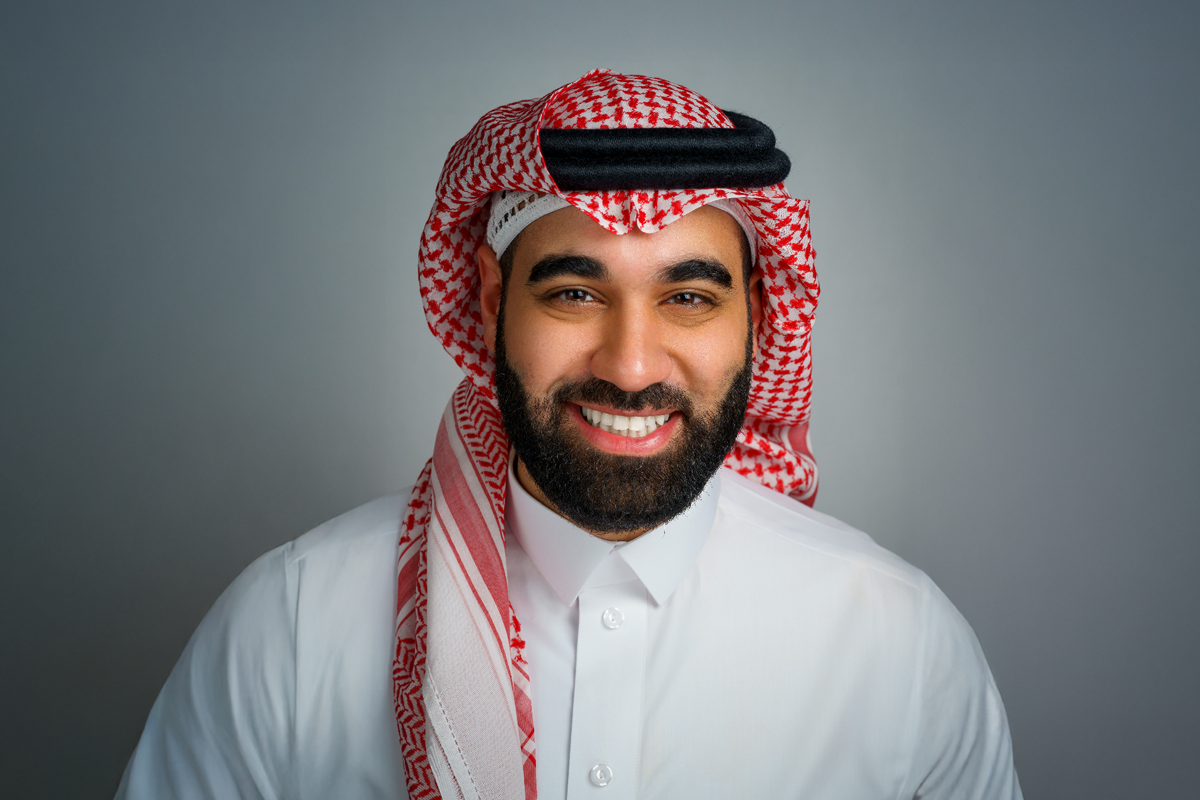
Hussain Alhajjar, Head of MENA Partnerships at Snap Inc., discusses with Communicate the changing role of brands in gaming culture, the rise of Saudi Arabia as a global gaming hub, and why authenticity will determine who wins this space.
Interview insights below:
Snap’s partnership with the Esports World Cup is about much more than putting a logo on an event. What does this collaboration reveal about where fan engagement is heading?
It shows that fan engagement is moving away from passive consumption and toward participation. The strongest fan moments today are not the ones people only watch, they are the ones people can react to, play with, personalise and share with others in real time.
That is exactly why this partnership matters to us. With the Esports World Cup, we are not approaching the event as a traditional partner. We are building experiences across the camera, creators, Snap Map and live surfaces that bring fans closer to the action and give them a role inside it. In gaming especially, community is not built around spectatorship alone. It is built around expression, conversation, inside jokes, reactions and shared moments. That is where we believe fan engagement is heading, and it is where Snapchat is naturally strongest.
This year’s activation brings together AR, creators, Snap Map and live experiences. How do you think about creating moments that fans don’t just consume, but want to share and be part of?
We think about it very simply: the moment has to give fans something to do, not just something to see. If an experience helps someone express who they are, react to what is happening, or feel more connected to the people around them, it becomes naturally shareable.
That is why each part of the activation plays a different role. AR brings play and self-expression. Creators bring relevance and community energy. Snap Map adds utility and discovery. Live experiences bring the digital and physical worlds together. When those pieces work together, fans are not just attending an event or watching content, they are creating their own version of the experience. That is usually the difference between a moment people notice and a moment people carry forward.
Creators are becoming central to how audiences experience sports and entertainment. How is Snapchat thinking about the role of creators, not just as storytellers, but as community builders?
Creators have become central to how people experience sports and entertainment, but not because they simply broadcast moments. They help fans feel like they’re part of them.
What makes the strongest creators successful is that they’ve built genuine relationships with their communities over time. Their audiences don’t just watch them, they interact with them every day. That creates a level of trust and familiarity that’s difficult to replicate elsewhere.
That’s particularly powerful on Snapchat because the platform is built around real relationships and ongoing communication. During moments like the Esports World Cup, creators aren’t simply documenting what happens on stage. They’re taking their communities behind the scenes, reacting in real time, sharing the moments that don’t make the broadcast and creating conversations that continue long after the competition ends.
For us, creators aren’t an add-on to the event. They’re part of the experience itself, helping transform a tournament from something people watch into something they feel connected to and participate in together.
Saudi has quickly become one of the world’s most important gaming markets. What are you seeing from MENA audiences that makes this region unique when it comes to gaming culture and fan behaviour?
What stands out in MENA, and especially in Saudi Arabia, is how deeply social gaming culture is. People here don’t see gaming as a separate hobby, it sits alongside music, creators, live events and everyday conversations. It’s part of mainstream youth culture and one of the ways people connect with their community.
We also see a strong appetite for participation. Fans don’t just want to watch, they want to share, react, create content and feel part of the moment. That aligns naturally with how Snapchat is used. Gaming is already one of the most active and engaged communities on Snapchat in Saudi Arabia, and we know that more than 23.5 million people in the Kingdom—around 67% of the population—identify as gaming enthusiasts. So when an event like the Esports World Cup takes place, it’s not creating interest from scratch. It’s tapping into an audience that’s already highly engaged, highly expressive and eager to participate in the experience.
The Esports World Cup started in Riyadh & is now expanding its global footprint with Paris. What role does Snapchat play in helping regional gaming communities become part of a global conversation?
Snapchat helps close the gap between local energy and global visibility. What begins as a moment rooted in one market can travel much further when fans, creators and communities have the tools to express it in a way that feels immediate and authentic.
That is what excites us about the move from Riyadh to Paris. EWC carries a strong regional foundation, but it also has global relevance because gaming culture naturally moves across borders through people, content and communities. Our role is to help that movement happen in a more participatory way through creators, AR, Snap Map experiences and content that can be shared from the venue to audiences everywhere. In other words, we are not just helping broadcast the event. We are helping global communities add their own voice to it.
Snapchat has always focused on creativity and self-expression. How does gaming fit into that wider vision of helping communities create and communicate?
Gaming fits naturally into Snapchat because, at its core, gaming has always been about shared experiences.
Whether it’s celebrating a win, reacting to an unexpected moment, debating a match or sharing highlights with friends, the conversation around gaming has become just as important as the gameplay itself. That’s where Snapchat plays a unique role. People come to the platform to communicate with the people they know best, making it a natural place to share those moments as they’re happening.
That reflects our broader vision for Snapchat. We’ve always believed creativity isn’t just about producing content—it’s about helping people express themselves and strengthen relationships. Gaming brings those ideas together. It gives people something they’re passionate about, and Snapchat gives them a way to experience it together, whether they’re at the event or following it from somewhere else.
For brands looking to enter gaming, there is often a fear of feeling too “advertiser-like.” How can marketers show up in gaming spaces in a way that feels natural and valuable to communities?
The starting point is to stop thinking about presence and start thinking about contribution. Gaming audiences are very receptive to brands, but only when the brand adds something to the experience instead of interrupting it.
That contribution can take different forms. It can be a utility; like helping people navigate an event or discover something useful. It can be entertainment; like an AR experience that fans genuinely want to use and share. It can be access; through creators who already understand the community and know how to speak its language. But the principle stays the same: if the brand is only visible, it will feel forced. If the brand makes the experience better, more playful or more social, it will feel native.
For me personally, the best gaming marketing does not behave like an ad inserted into culture. It behaves like a layer of the experience that fans are happy to engage with because it gives them something back.