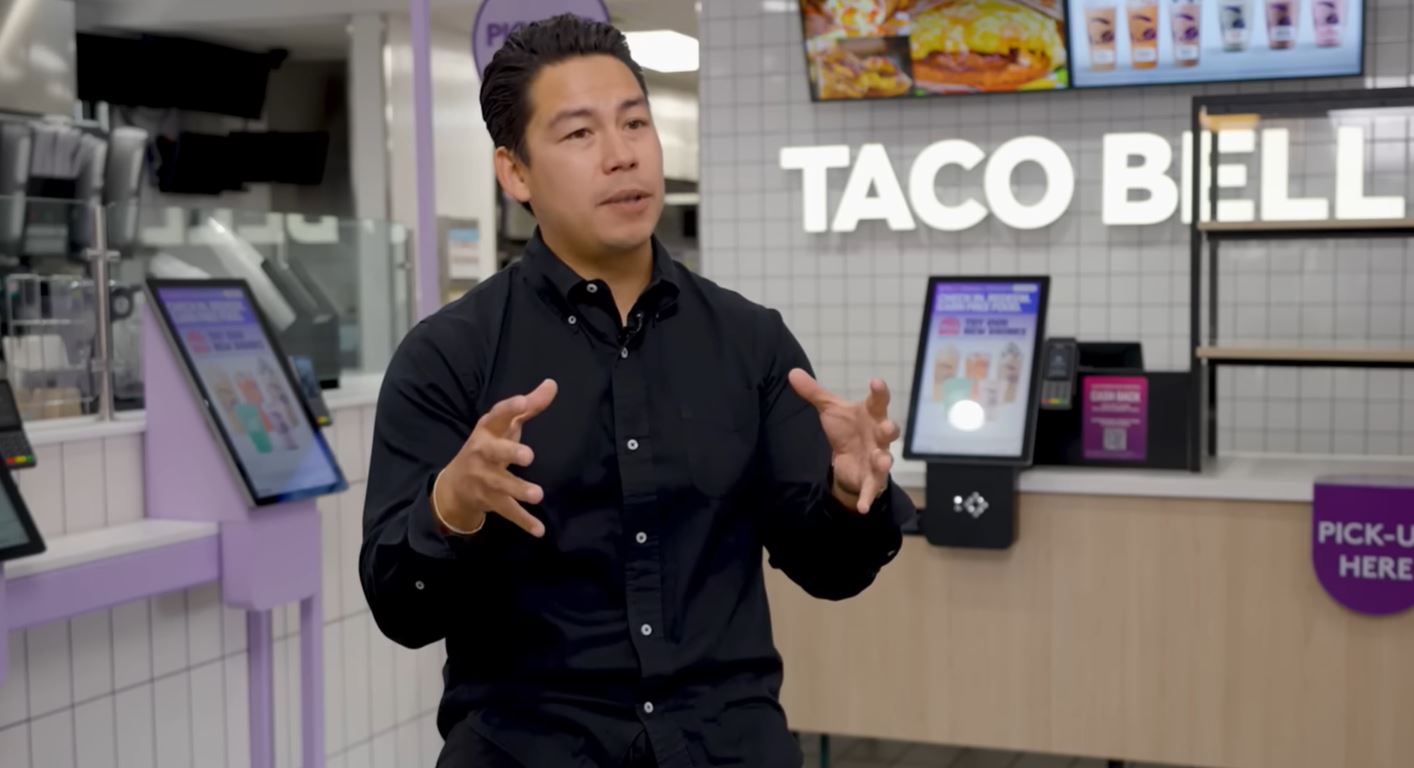
Taco Bell is returning to the UAE after a 14-year absence, but its comeback is being framed as more than a restaurant relaunch. The US quick-service restaurant (QSR) brand is looking to reconnect with a new generation of consumers as it uses the Emirates as the starting point for a broader GCC expansion.
Americana Restaurants has signed an exclusive development agreement with Taco Bell UK and Europe, a subsidiary of Yum! Brands, to relaunch the brand in the UAE and subsequently expand it into other Gulf markets. An opening date and location for the first restaurant have yet to be announced.
For Taco Bell, the move marks a second attempt at the UAE market – and a very different consumer environment from the one it left in 2012.
The brand first entered the Emirates in 2008 before withdrawing four years later. A 2025 Ivey Publishing case study attributed the exit to strategic misalignment and intense competition from established restaurant brands.
Since then, the UAE’s food and dining landscape has become significantly more diverse, with international QSR brands competing not only on food and price but also on culture, experience and brand relevance.
That shift could give Taco Bell an opportunity to reposition its proposition for today’s consumers.
From fast food to brand culture
Taco Bell has spent years building a distinctive identity around youth culture, menu innovation, value and a deliberately irreverent brand personality.
Its “Live Más” platform, introduced in 2012, represented a broader shift away from communicating simply around food towards positioning the brand as part of consumers’ lifestyles and experiences.
That positioning will be particularly relevant as Taco Bell enters a UAE market where younger consumers are increasingly exposed to global food, entertainment and lifestyle brands.
“Taco Bell is the coolest brand in its category, built for a generation that wants great flavour, great value and a little attitude,” said Mohamed Alabbar, chairman of Americana Restaurants.
“Dubai adopts what’s bold and tells the world about it. We will start here, get it right, and scale Taco Bell across the UAE and the GCC.”
The comments point to a strategy that goes beyond opening outlets: establish the brand in Dubai, build local relevance and then use that momentum to scale across the region.
A more competitive category
Taco Bell will also be entering a market where Mexican-inspired food has become more established. Chipotle Mexican Grill entered Dubai and Abu Dhabi in 2024 through Alshaya Group, adding another major US brand to an increasingly competitive category.
Taco Bell’s proposition, however, is differentiated by its combination of Mexican-inspired food, affordability, fast service and a highly recognisable global brand identity.
Globally, the chain has more than 9,000 restaurants, including more than 1,200 outside the US across around 40 markets.
Its challenge in the UAE will be translating that global identity into a market with its own cultural dynamics, while retaining the distinctive personality that has made the brand particularly relevant to younger audiences.
“We’re excited to continue our strong international momentum in the UAE, to connect with a new generation of fans,” said Sean Tresvant, chief executive of Taco Bell.
Americana’s brand-building play
For Americana, Taco Bell represents another opportunity to bring an established international brand into a region where consumer demand for global concepts continues to evolve.
The group already operates KFC and Pizza Hut, alongside brands including Hardee’s, Krispy Kreme, Costa Coffee and Baskin-Robbins, across the Middle East, North Africa and Kazakhstan.
The Taco Bell agreement also builds on Americana’s long-standing relationship with Yum! Brands and gives it access to a brand with a particularly strong cultural and digital marketing footprint.
The UAE launch will therefore be an important test of how Taco Bell can localise its global brand proposition while preserving its distinctive voice – and whether that positioning can travel successfully across the wider GCC.
For a brand that left the market more than a decade ago, the comeback is ultimately an opportunity to prove that the Taco Bell consumers of 2026 are a very different audience from those it encountered in 2008.