Saudi Arabia’s entertainment boom is entering a new phase. The question is no longer whether audiences will show up, it is how brands can create experiences people want to return to. Platinumlist CEO Cosmin Ivan shares what the Kingdom’s evolving entertainment culture reveals about loyalty, communities and the future of engagement.
Ten years ago, entertainment in Saudi Arabia looked very different. Today, people are planning their weekends around concerts, festivals, sports events, exhibitions and experiences. Entertainment is no longer an occasional moment; it has become part of everyday life.
For marketers, this shift offers a bigger lesson. In a world where audiences are overwhelmed by messages and brands are competing harder than ever for attention, the strongest connections are increasingly being built through experiences, communities and shared moments.
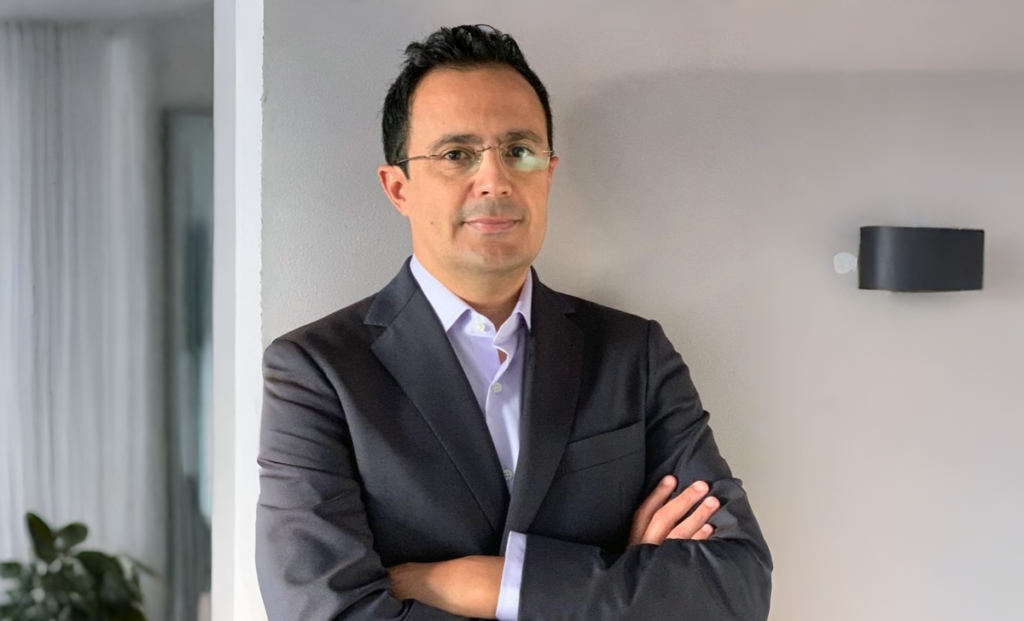
Cosmin Ivan, CEO of Platinumlist, has watched this transformation happen first-hand. He tells Communicate: “Entertainment stopped being an occasional, imported treat and became a normal, expected part of life. Ten years ago, the market was effectively starting from zero. Today, Saudi audiences plan their weeks around what’s on, the way audiences in any mature market do.”
But the biggest change is not simply the number of events taking place. It is the way people are engaging with them.
Saudi audiences are becoming more diverse in what they seek, moving beyond a single type of entertainment towards a broader mix of experiences. “The market opened up as almost entirely Arabic pop and has diversified into a genuinely broad mix. On our platform in 2025, Saudi ticketing spanned festivals, Arabic concerts, theatre, exhibitions, comedy, sports and attractions, no single format dominating.”
For brands, that matters because it signals a more mature consumer. Audiences are not just looking for something to attend; they are choosing experiences that reflect their interests, identities and communities. Ivan points to another major shift: who is participating. “The share of our Saudi digital audience that is female went from around 1.5% in 2017 to roughly 31% by 2025, and female ticket buyers rose from about a fifth to over 40% in just two years. That’s a society changing what a night out looks like, not just a marketing shift.”
The end of the one-off experience
Saudi Arabia’s entertainment market has already proven that there is demand. The next challenge is building loyalty.
This is a familiar challenge for marketers across industries. A successful campaign can create awareness, but the harder question is: how do you make people come back?
Ivan believes entertainment is now moving into that next phase. “It had to, and it has. The first phase of any market like this is about proving demand exists – you put on volume, and you show the audience is real. Saudi Arabia did that emphatically. The second phase, which is where the market is now, is about range and repeatability: not just more events, but the right events are what people come back to.”
The same principle applies to brands. The future of engagement is not about creating one memorable moment and moving on. It is about building reasons for audiences to stay connected.
The power of the super fan
One of the most interesting shifts in consumer behaviour is the rise of the high-frequency audience, people who do not simply attend experiences, but actively shape conversations around them.
Platinumlist calls this group “Super Buyers”. “We call them Super Buyers, and they’re the most important audience in the market. In Saudi, specifically, our 2025 data shows the loyal, high-frequency segment spending on the order of twelve times more than a one-event buyer.”
But Ivan says their value is not just about spending. “What we’ve learnt is that they’re not primarily chasing big names. Headliners get them through the door the first time, but community and identity are what make them regulars. For this generation, going out is a social language – it’s how they see friends, mark occasions, and signal who they are.”
This is where the lesson becomes particularly relevant for brands, creators and influencers. The most valuable communities are not necessarily the biggest ones. They are the ones where people feel connected enough to participate, recommend and bring others in. “Word of mouth is so powerful: around 40% of our users discover events through friends, and the Super Buyers are the ones doing the recommending. So the honest answer to ‘what are they chasing’ is: belonging, with the experience as the setting. Get the community right and the tickets follow. Chase only the headliner and you rent the audience for one night.”
Brands need to stop treating experiences as advertising space
As experiential marketing continues to grow, many brands are still approaching events through an old lens: visibility.
For Ivan, the opportunity is much bigger. “The smartest brands have stopped treating live events as billboards and started treating them as communities to belong to.”
The difference is subtle but important. A logo on a stage creates awareness. A meaningful contribution creates a memory. “The old model was logo placement where they would put the name on the stage and count impressions. The model that works now is contribution, adding something to the experience the fan genuinely values so the brand becomes part of the memory.”
The next step, he believes, is for brands to better understand the audiences they are trying to reach. “I still see two missed opportunities. First, brands ignore the loyal aspect of fans. Everyone wants the mass reach of a mega-event, but almost nobody builds specifically for the high-frequency fans who spend many times more and, crucially, do the recommending. That’s the single most valuable, most under-served audience at any event.”
What comes next: personalised experiences and AI discovery
As audiences become more accustomed to personalised recommendations across platforms, Ivan believes entertainment discovery will follow the same path.
“People increasingly won’t browse listings. Instead, they’ll ask ‘what should I do this weekend?’ and expect a personalized answer. Our AI search is built for exactly that, and intent-based, AI-assisted discovery will become the default way audiences find events.”
The future, however, is not only about technology. It is about creating experiences that are relevant, local and culturally meaningful. “The early boom leaned on importing global names, and the maturity phase leaned on homegrown talent – Saudi stories and year-round programming.” “Finally, the next chapter is Saudi entertainment becoming something the country produces and exports, not just something it hosts.”
For brands watching Saudi Arabia’s transformation, the lesson goes beyond entertainment. The future of marketing will belong to those who can move from capturing attention to creating belonging, from reaching audiences for a moment to becoming part of the communities they choose to join.