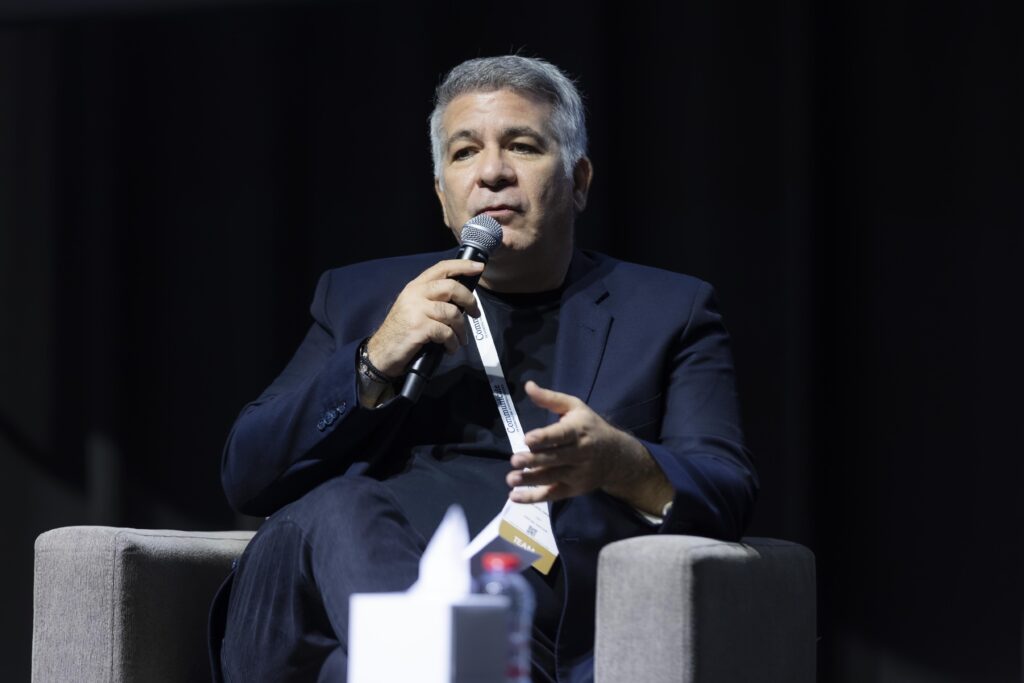
Bushra Khan
There is a simple but important truth at the heart of communications. An idea can feel fully formed in discussion, but its real strength is only revealed once it exists outside the room it was created in.
Not in theory. Not in presentation. In reality.
Inside a room, ideas are judged by how well they are understood. Outside it, they are judged by how they are experienced.
And they are not always the same thing.
This is where the “Dubai It” philosophy, introduced under Sheikh Mohammed bin Rashid Al Maktoum, offers an interesting perspective on creative work. At its core, it reflects the belief that ambitious ideas need to move from intention to action with speed, clarity and purpose.
Not as a rejection of planning, but as a recognition that ideas become stronger when they meet reality.
In communications, ideas are naturally refined before they go live. They are discussed, challenged and adjusted to ensure they work across audiences and formats. This process is important. Structure gives ideas direction and ensures they can be delivered effectively.
But structure is not the final measure of strength.
There is a point where an idea feels ready in principle. It is clear, aligned and approved. Yet the real test has not happened.
That begins when the idea leaves the room and enters the world.
Because once it does, it stops belonging only to the people who created it. It starts belonging to the people who experience it.
That is where ideas often become stronger. Not because they were incomplete before, but because reality introduces elements that internal discussions cannot fully predict. Audience reactions, cultural context and unexpected interpretations all become part of how an idea evolves.
In that sense, execution is not separate from thinking. It is an extension of it.
A good example of this is KitKat’s “The KitKat Heist” campaign. When the brand lost 12 tonnes of chocolate shortly before Easter, it faced a situation that could have been treated as a traditional crisis communications challenge. Instead of containing the story, KitKat turned the unexpected situation into an opportunity for engagement.
Through the “Stolen KitKat Tracker”, audiences became part of the story, transforming a supply chain issue into an interactive experience. The campaign grew further as people, creators and other brands joined the conversation, adding their own responses and interpretations.
What started as a brand challenge became a wider cultural moment.
It demonstrated that some of the most effective ideas are not fully shaped before they meet the audience. They evolve through interaction.
This is also where the “Dubai It” mindset becomes relevant. It does not suggest bypassing planning or care. Instead, it highlights the importance of reducing the distance between having an idea and allowing it to make an impact.
Because approval is often mistaken for validation.
They are not the same thing.
The strongest ideas are not the ones that remain protected the longest. They are the ones that are able to adapt, resonate and create meaning once they enter the real world.
Ideas are not defined by how complete they feel in planning.
They are defined by how they behave in reality.
And perhaps the real question is not when an idea is finished, but when it is ready to begin.
(Bushra Khan is the Account Manager, BPG Group)