The marketing industry is not short of conversations about AI. Generative tools, automated campaigns, predictive analytics, and AI-driven personalization, the disruption is real, the pace is relentless, and every marketing leader in the GCC is navigating some version of the same question: how do we stay ahead?
But the most important leadership question of the AI era is not about the technology. It’s about the humans who have to lead through it.
Because while AI is transforming what marketing teams can produce, it is doing almost nothing for the conditions under which those teams actually do their best work. It cannot read the room in a high-stakes client presentation. It cannot rebuild trust after a campaign miss. It cannot hold a creative team together through the pressure of a major pitch when tensions are running high. It cannot inspire. It cannot reassure. It cannot make a talented person feel seen.
That is the territory of emotional intelligence and it has never mattered more.
The EQ gap AI is exposing
Here is what I am observing in my work with marketing and business leaders across the MENA region: the faster AI accelerates the output side of marketing, the more exposed the leadership side becomes.
When a team can produce in hours what used to take weeks, the bottleneck shifts. It moves from capability to culture. From production to decision-making quality. From can we make this? to do we trust each other enough to make the right call under pressure?
That trust, the kind that allows a team to move fast, challenge ideas, recover from mistakes, and stay creatively brave is built entirely through emotional intelligence. It cannot be automated. It cannot be scaled through a tool. It is built, slowly and deliberately, through how a leader shows up in the room every single day.
A CMO I worked with recently described it well: her team had every AI tool available, was producing more content than ever, and was somehow less cohesive than eighteen months prior. The speed had outpaced the culture. Her challenge was not a technology problem. It was a leadership problem, specifically, an emotional intelligence problem.
What EQ actually looks like for marketing leaders
Emotional intelligence in leadership is not about being warm. It is not about avoiding difficult conversations or prioritising harmony over results. In my experience, the most emotionally intelligent leaders I have worked with are also among the most direct and demanding because they understand that people can only receive challenge from someone they trust.
For marketing leaders specifically, EQ shows up in four ways that directly affect performance.
Self-awareness under pressure. The ability to notice your own stress response before it transfers to your team. A leader who enters a briefing session already activated tight, reactive, certain that the campaign isn’t good enough will communicate that to the room before they say a word. Creative work dies in that environment. Self-aware leaders know this and regulate accordingly.
Empathy as a strategic tool. Not sympathy, empathy. The ability to understand what your team, your client, or your audience is actually experiencing. In GCC markets, where cultural nuance is not a footnote but a foundation, this is a non-negotiable competency. Understanding what resonates emotionally with a Kuwaiti audience is a different brief than a Dubai-based one, let alone a Levant audience. The leaders who get this right intuitively, consistently are the ones whose campaigns actually land.
Psychological safety as a performance condition. The research on this is unambiguous: teams that feel safe to speak up, disagree, and take creative risks outperform those that don’t. In a marketing environment where AI is handling execution, the competitive advantage lives entirely in the quality of the thinking and thinking is only brave in environments where people feel safe to think out loud. Leaders build or destroy that environment.
Resilience that doesn’t become rigidity. The AI era asks leaders to hold two things simultaneously: the pressure to move fast and the wisdom to slow down at the right moments. That requires a regulated nervous system and a secure sense of self which is, at its core, emotional intelligence in action.
The leadership invitation
The marketing leaders who will define the next decade are not those who master AI most quickly. They are those who master themselves who develop the emotional range, the relational intelligence, and the self-awareness to lead humans through a period of extraordinary change.
AI will keep accelerating. The tools will keep evolving. What will not change is the fundamental human need to feel understood, trusted, and led by someone who sees you clearly.
That skill cannot be downloaded. It has to be built. And for marketing leaders in the GCC and across the region, the time to build it is now, before growth stalls, before talent walks, before the cultural lag between your tools and your leadership becomes a competitive liability.
The most valuable upgrade in your marketing function right now is not a new platform. It’s you.
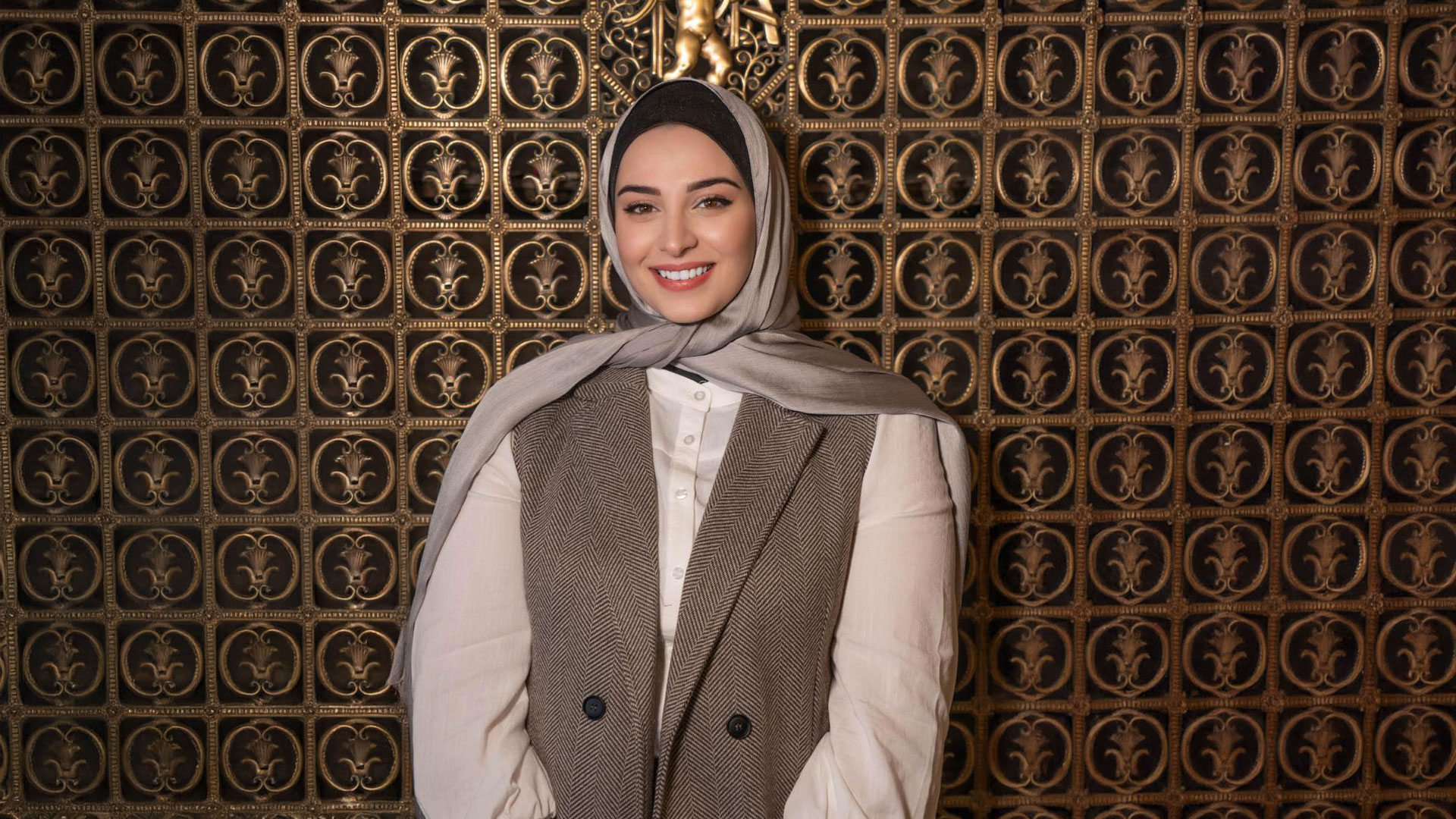
(Shahnaz Hamade is the Founder and CEO of Harmonie Consulting, an executive coaching practice helping Arab leaders build resilient, emotionally intelligent leadership. She works with executives and business leaders across the GCC and wider MENA region. Learn more at harmonieconsulting.net)