Dubai-based agency Horizon FCB MENA has partnered on an AI-led conservation initiative in Colombia, highlighting how creative agencies are increasingly applying technology to environmental challenges.
The project, called WingSentry, was developed with researchers from the Behavioural Ecology & Conservation Group in collaboration with Universidad del Rosario in Colombia. The AI-powered system is designed to monitor and protect bird populations without disturbing their natural habitats.
For decades, Colombia’s biodiversity-rich regions remained difficult to access because of internal conflict and the presence of armed groups. Since the country’s 2016 peace agreement, tourism has steadily grown, helping position Colombia as a major ecotourism destination.
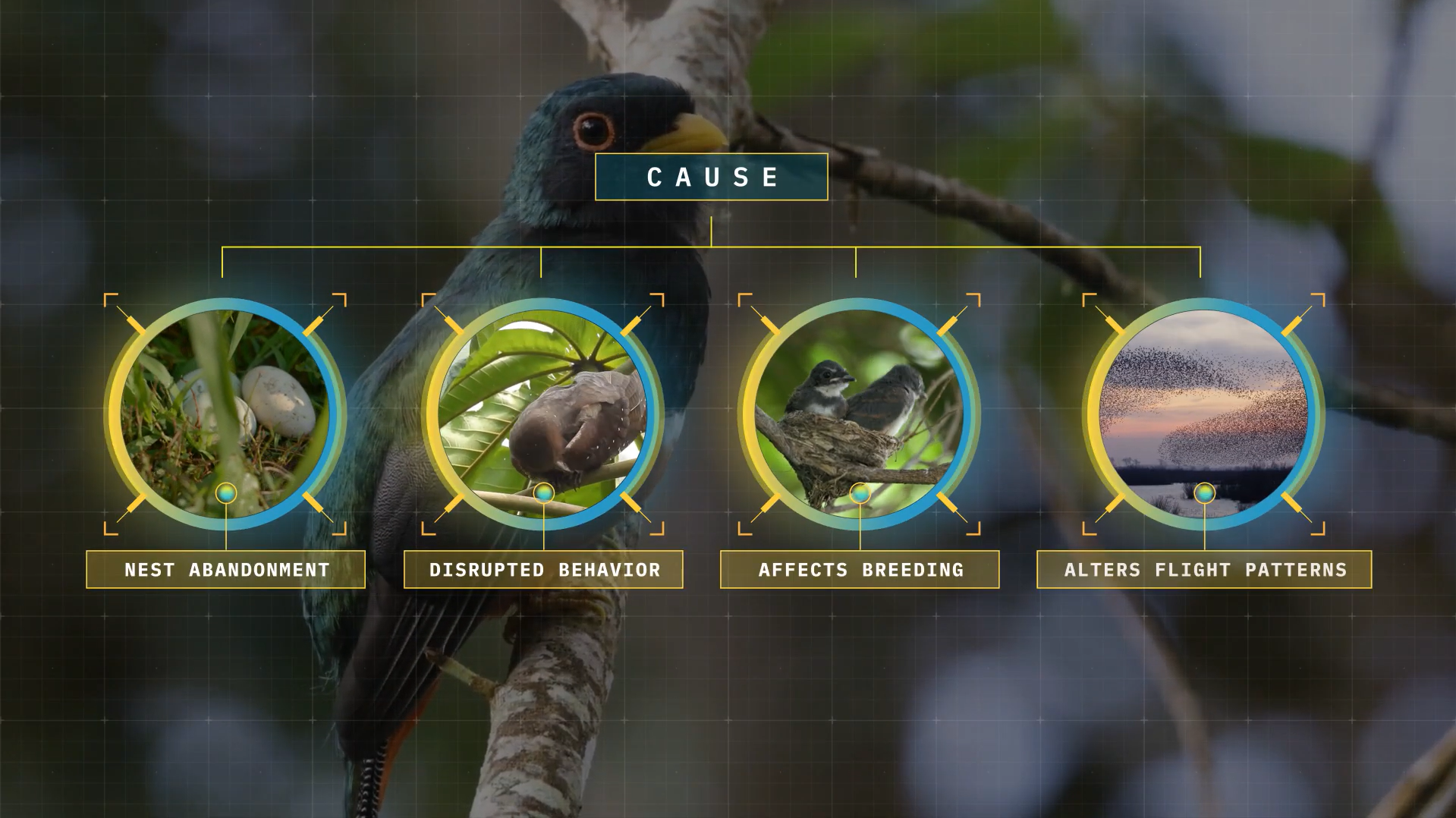
That resurgence, however, has also increased pressure on sensitive ecosystems, with researchers citing habitat disruption, artificial lighting, noise, altered flight patterns, nest abandonment and reduced breeding success in some bird populations.
WingSentry aims to help address those challenges through a combination of thermal imaging technology and bioacoustic sensors that observe wildlife with zero habitat disturbance. The system then converts ecological data into practical guidance for tourism operators, helping them create bio-corridors that avoid sensitive nesting areas and reduce human impact.
For Horizon FCB MENA, the initiative reflects a growing role for agencies beyond traditional brand communications, using creativity and innovation to solve real-world problems.
“Tourism has the potential to be a powerful force for conservation, only if it is managed responsibly,” says Mazen Jawad, CEO of Horizon FCB MENA. “WingSentry helps ensure that growth does not come at the expense of the natural environment.”
Jawad also highlighted the agency’s connection to the project through its multicultural talent base.
“We were fortunate to have Colombians in our creative team, which made it possible to bridge the gap when the client reached out to us for collaboration. As an animal lover myself, it was truly inspiring to work on this project, demonstrating that AI, innovation, and technology can be used thoughtfully to reduce our impact on nature,” added Mazen.
Juan Diego Pineda, Biologist and Lead Researcher in the project, said the initiative demonstrates how AI can be directed toward conservation goals.
“We gave AI a positive purpose: helping tourism coexist with the very nature people travel to see,” said Juan Diego Pineda, Biologist and Lead Researcher in the project. “With nearly 20% of the world’s bird species, Colombia ranks first in global bird diversity. Birdwatching alone generates more than 7,000 jobs and over $9 million annually. Protecting these species is essential,” he added.
The project has already received international recognition. It was first presented internationally at the Animal Behaviour International Congress in Vienna, and has since secured support from the Animal Behaviour Society and the Max Planck Institute.