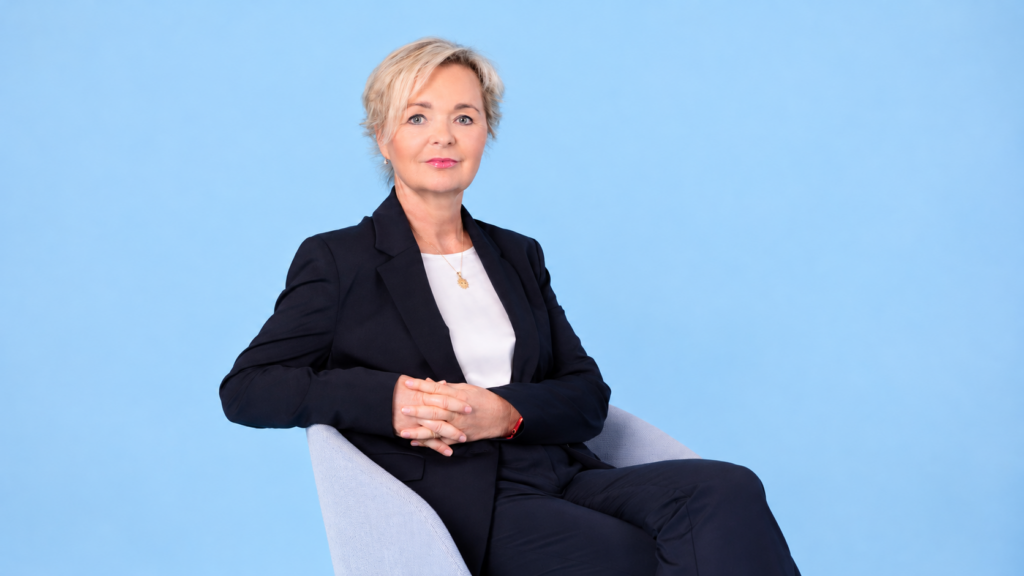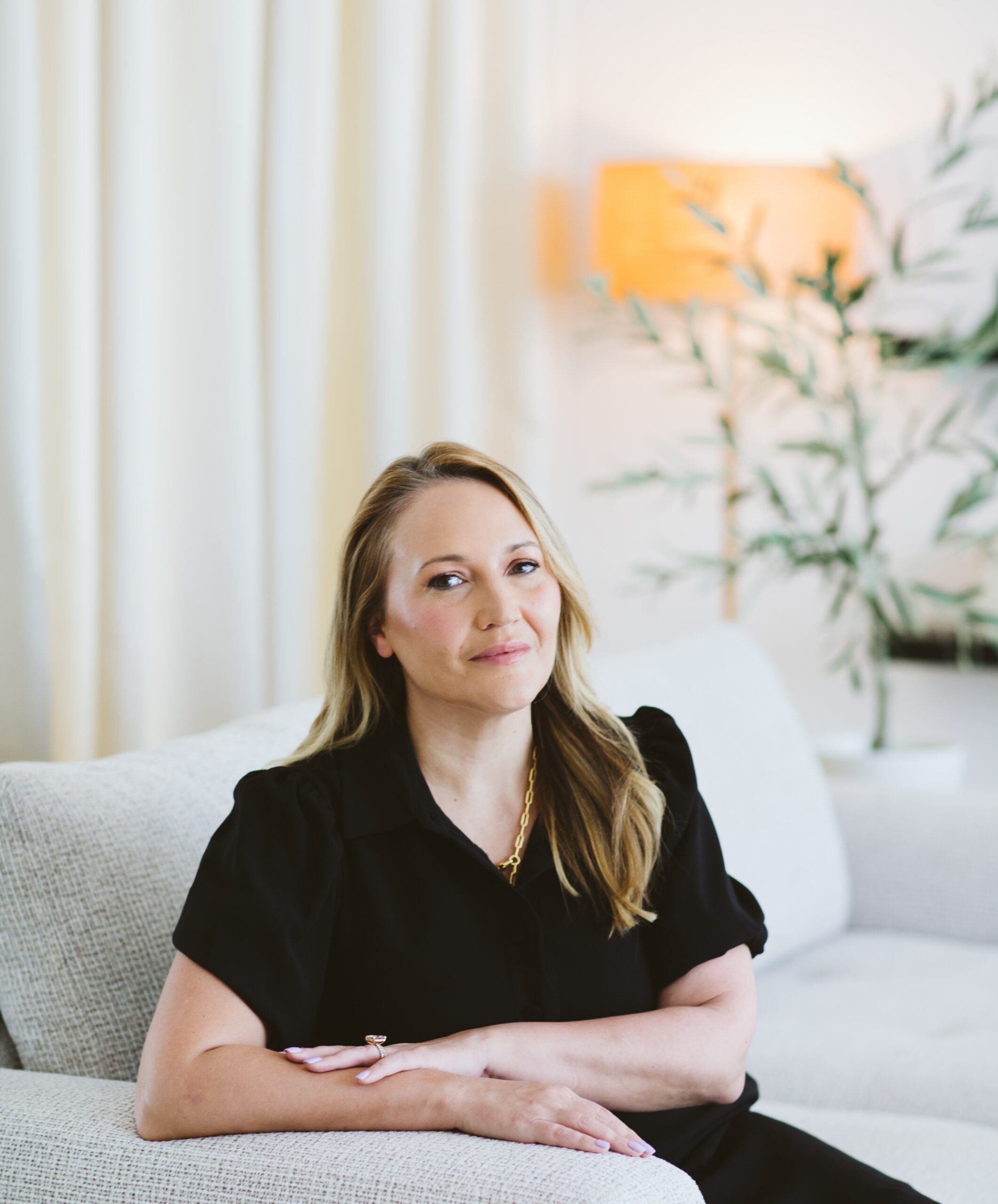
On International Women’s Day, Natasha Hatherall, founder and CEO of TishTash Group, shared her thoughts on the idea of a “superwoman,” leadership in uncertain times, and building workplaces where women can thrive.
What does it mean to be a superwoman on March 8th 2026 in the GCC?
For me personally, being a “superwoman” in 2026 isn’t about doing everything perfectly, doing ‘more’ of anything, or carrying the weight of the world on your shoulders. It’s about being unapologetically yourself and building a life that reflects your own values rather than someone else’s expectations.
For too long, the idea of the superwoman meant balancing career, family, ambition, wellbeing and, well, everything flawlessly. There was the message that success required constant sacrifice and quiet endurance. But I think women across the GCC and generally across the globe are redefining that narrative, and I’m totally here for it.
Today, being a superwoman means having the confidence to live life on your own terms. It means choosing the path that feels right for you, whether that’s building a business, raising a family, doing both, or doing something completely different. It’s about recognizing that success isn’t any one thing. It’s also about being a bit “messy” and flawed, as all of us humans are, and feeling okay with this and being unashamedly yourself.
You’ve been ahead of the curve with policies like a 4.5-day work week, menopause support, and structured return-to-work programs. How have these decisions shaped not just your team’s loyalty, but also the performance of your business, especially during uncertain times in the region?
For me, those policies were never about being progressive for the sake of headlines. They were about designing a workplace that actually reflects the reality of people’s lives, particularly women’s lives.
For agencies and businesses in this region, there is a temptation to see women’s health as “too sensitive” or “not something we talk about at work.” But silence really does have a cost. It shows up in the women who quietly step back from leadership tracks, and in teams running on constant short-term fixes instead of sustainable performance.
In an industry built entirely on human capital, women’s health is already affecting your bottom line – whether you acknowledge it or not. The commercial question is simple: do you want to manage that impact proactively, or keep absorbing the cost of doing nothing?
When I introduced things like the 4.5-day working week, menopause awareness, fertility support, and structured return-to-work programs, the goal was simple: remove unnecessary pressure so people could perform at their best. If someone is navigating IVF, perimenopause, or returning after maternity leave, pretending those realities don’t exist doesn’t make a business stronger; it just makes people feel unsupported.
You’ve built one of the region’s largest women’s communities. In moments of uncertainty, how do these networks help women navigate challenges that even the most progressive workplaces can’t always solve?
I’m such a fan and advocate for community and believe in its power so much, which is why I’ve created a dedicated community/consumer marketing division at TishTash Group and we’re spending on acquiring more communities as well as continuing to grow our own.
One of the most powerful things about women’s communities is that they create truly safe spaces where conversations can happen honestly and without judgment.
In one of our communities, “That Dubai Girl,” a private Facebook community made up of 45,000 women in the city of all nationalities and ages, 27,500 of these are active and engaged daily on the group, and this sees us receive 4,000 unique posts a day on the group. We’ve had people step up for total strangers and offer them a place to stay and a temporary home, support in buying groceries or diapers when times get hard, or people freely offering their time to meet for a coffee or to do something when someone feels alone.
In moments of uncertainty, these networks and communities become even more important. They provide perspective, calm and shared experience. Sometimes it’s practical help, such as recommendations, resources, and opportunities. Other times, it’s simply knowing that other people understand what you’re going through. That kind of connection creates resilience. And when women feel supported, they’re far more confident navigating whatever comes next, both personally and professionally.
What’s truly beautiful about these communities is that they’re built on generosity rather than competition. Women champion each other, celebrate wins and support each other through challenges. This is powerful and never to be underestimated.
The GCC is facing a complex geopolitical landscape. What does it take to lead a business and a community with confidence when the future feels unpredictable?
Leading through uncertain moments like now requires a certain level of emotional steadiness. When the world and wider environment feel unpredictable, people naturally look for stability and to leadership for cues on how to respond. If leaders panic, that energy spreads quickly. If leaders remain calm, thoughtful and measured, it creates the stability needed even if nothing has actually changed.
For me personally, I have discovered there is a fine line here, and it’s something I’ve learned and honed in my 14 years in business, going through far more crises and challenging situations than I would have ever wished to.
Leadership in these times for me doesn’t mean having all the answers or pretending everything is certain or under control. It means acknowledging reality while also keeping perspective. You focus on what you can influence – your team, your communication, your culture – rather than becoming overwhelmed by what you can’t.
At a business and community level, my focus during times like this is simple: stay connected, communicate openly and maintain a sense of normality. I choose to over-communicate in these times and in a way and language that is simple but reassuring. People need reassurance that life and work continue, while we stay informed and thoughtful about what’s happening around us.
You’re open about anxiety, grief, and the pressures of leadership. How does talking about these things (sometimes seen as “too personal” in corporate spaces) actually make organizations and teams stronger?
When I was growing up and even starting out in my career, I had a view on what leadership meant and how leaders were meant to be. I thought leadership meant showing strength, certainty and control at all times. I think for such a long time, and especially in corporate environments, I saw how leadership was and also how I didn’t connect with it, and it didn’t always make me feel “safe” and secure.
Transparently, I’ve been through such a journey personally on what it means to be a leader. I’ve beaten myself up thinking I’m not “strong enough” or cut out to be a leader. I’ve worried that I “feel too much,” I “share too much,” and maybe I wear my heart on my sleeve too much to be taken seriously.
Honestly, I didn’t give myself enough credit for being the leader that I was. What I have realized, especially in more recent years, is that perhaps my ability to share honestly and openly and meet others where they are is, in fact, part of my superpower and is what makes me an exceptionally strong leader, even in the moments I doubt myself most.
What are the game-changing moves organizations need to make if they genuinely want women to thrive in their careers in such volatile times?
Truthfully, we need to move beyond symbolic gestures and focus on structural support where it actually makes a difference.
The first game-changing move is very simple – we need to accept the basic fact that men and women are not the same and that if our needs are met in different ways, then we all have a chance to thrive and flourish. We cannot change or beat basic biology and need to just accept this and work to the needs of both genders and ultimately everyone as individuals.
Women’s lives are not linear. Careers intersect with motherhood, fertility journeys, menopause and many other life stages. Companies that don’t avoid this, but tackle it head-on and build policies acknowledging those realities, rather than expecting women to quietly manage them and be like men, create environments where women can perform at their best.
Secondly, flexibility has to be real. Not just a policy on paper, but a culture of trust. Women should be able to navigate life’s responsibilities without feeling that their ambition or leadership potential is being questioned. This can be flexible working hours, flexibility in terms of the ability to blend the office and home or anywhere, and just generally an understanding that everything will be delivered if employees have some flexibility to make their own lives work better.
Offering flexibility to employees is popular and creates a happier workforce as a whole, and while my own personal learnings are designed with women in mind, being a predominantly female workforce, they can apply to anyone.
Thirdly, another important shift is financial empowerment and leadership access. Women need clear pathways into decision-making roles, including board positions across industries. We need not just participation but true influence. And of course, I wish it would not be considered “game changing,” but let’s pay men and women in the same roles the same.
Finally, it sounds simple, but organizations need to create safe spaces and psychologically safe environments where women (or everyone) can speak openly about challenges without fear of being judged as less capable. If people feel safe to speak their truth, I promise you the results speak for themselves.