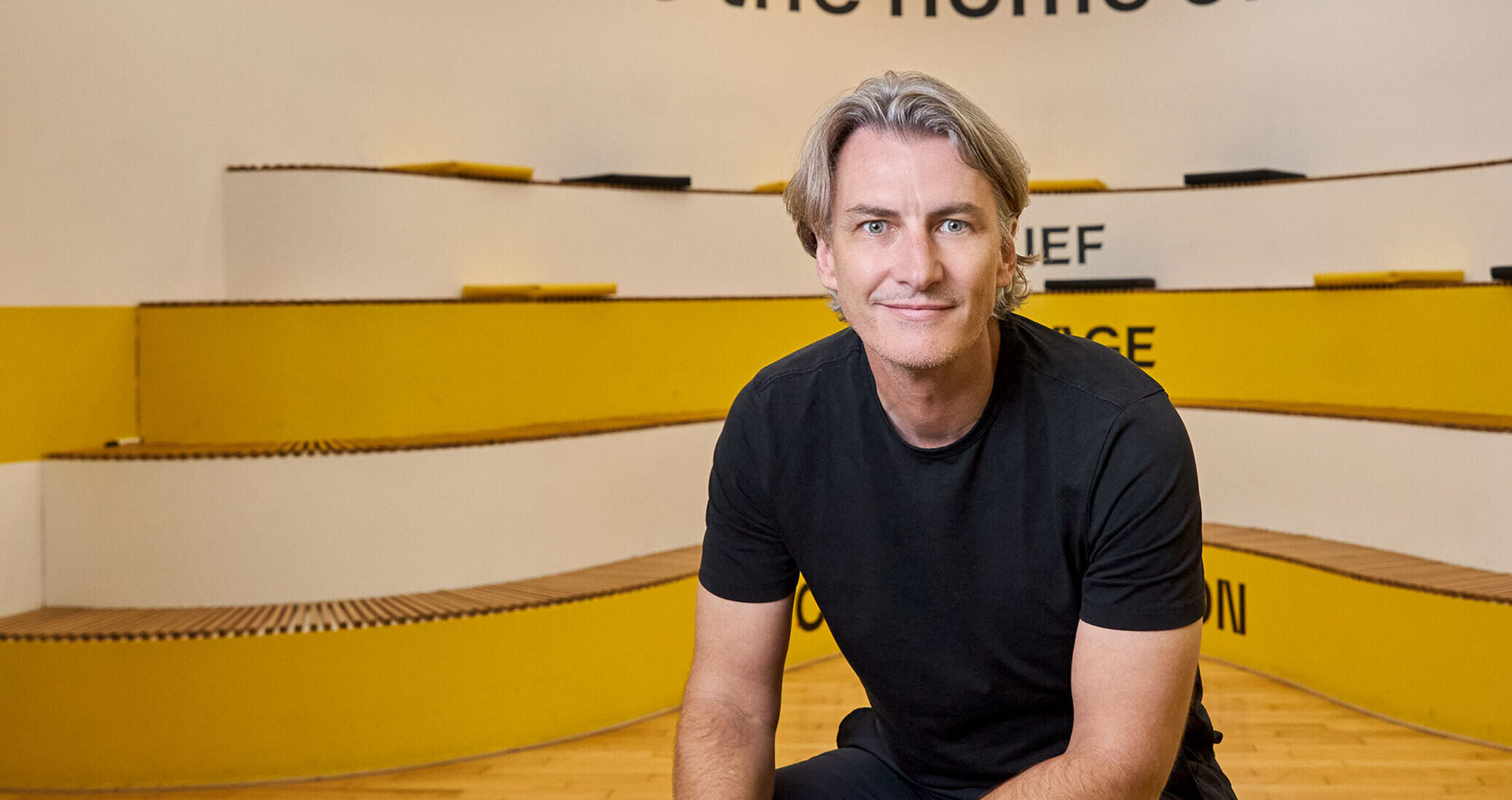
While fashion and entertainment dominate globally, the GCC has its own flavor. Lifestyle and travel, alongside fashion and beauty, are leading categories, reflecting the region’s focus on luxury, experiences, and strong visual storytelling, says Derek Green, Chief Creative Officer at TBWA\RAAD, in an interview with Communicate.
How would you describe the current state of the global creator economy, and what major shifts have occurred over the past year?
Over the past year, several major shifts have taken place in the global creator economy. Creators are no longer being paid simply “per post.” Instead, they are launching their own brands, securing long-term partnerships, and building real businesses around their content.
We have also seen a shift toward smaller creators because they often generate greater impact. Mega influencers may have millions of followers, but smaller “nano” and “micro” creators—typically with fewer than 100,000 followers—often receive more likes and comments. Their audiences are more tight-knit and trust them more, so recommendations feel less like ads.
More savvy creators are no longer just chasing views; they are building communities through memberships, private groups, and loyal fans who return again and again. Brands are increasingly prioritizing creators with strong communities, not just large followings.
AI is another major shift. It has become a quiet helper for creators, assisting with video editing, caption writing, and content planning. Still, even with all this technology, authenticity and honesty matter most.
Shopping within social platforms has also grown significantly. Creators can now add shopping links, host live shopping streams, and run mini storefronts. You watch a video you like and can purchase the product in just a few taps.
In what ways are these global trends influencing or reshaping the creator ecosystem in the MENA region?
The shift is happening rapidly in the GCC. Bahrain, Kuwait, Oman, Qatar, Saudi Arabia, and the UAE are collectively on track to have around 263,000 influencers in 2025, up from 150,000 in 2023—a 75 percent increase in just two years.
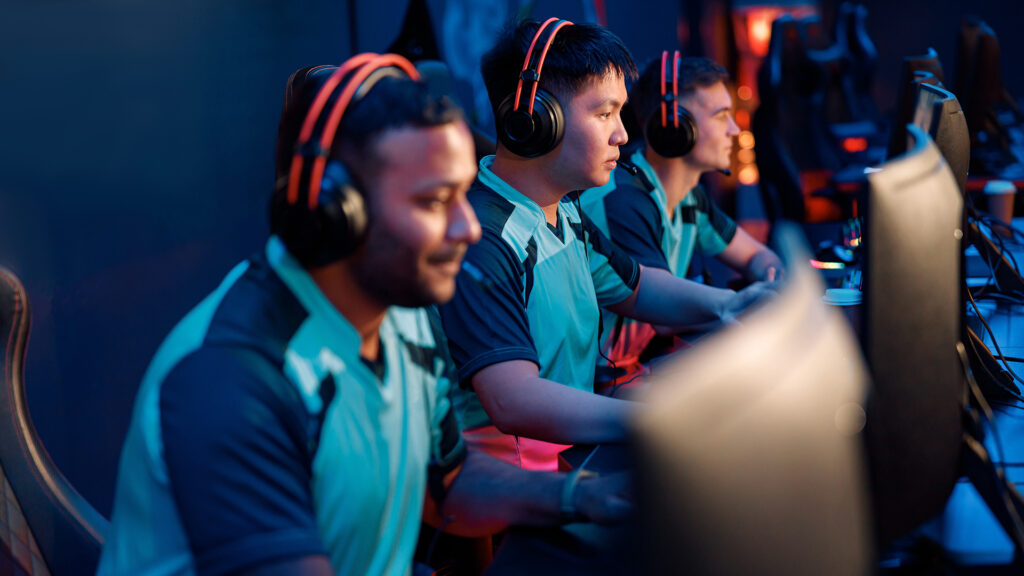
While fashion and entertainment dominate globally, the GCC has its own flavor. Lifestyle and travel, alongside fashion and beauty, are leading categories, reflecting the region’s focus on luxury, experiences, and strong visual storytelling. At the same time, momentum is building in gaming, finance, business education, and creator-led news.
The formats may be global, but the content is anything but copy-and-paste. Creators are using Arabic and Khaleeji dialects, modest fashion, local humor, and faith-based themes. Short-form and vertical video are standard, but the storytelling feels distinctly regional. I recently read that 77 percent of MENA creators say the GCC is leading the way in tourism and entertainment, with creators acting as the region’s storytellers.
MENA is also becoming a magnet for creators from around the world. Mega events, tourism campaigns, and large-scale projects in Saudi Arabia and the UAE are turning the region into a stage where locally produced content is consumed globally.
How is spending evolving within the creator economy—from brands, agencies, and platforms? Are there notable shifts in budget allocation?
Spending in the creator economy is growing rapidly and is no longer treated as a side experiment.
On the brand side, creator budgets have surged. In the United States, creator ad spend more than doubled from about $14 billion in 2021 to $29.5 billion in 2024 and is expected to reach $37 billion in 2025. That growth rate is roughly four times faster than overall media spending. Brands are clearly reallocating budgets away from traditional channels like TV and print and toward creators and social platforms.
Agencies that recognize this shift are evolving quickly as well. Instead of producing one-off influencer posts, they are building long-term programs, creator rosters, and standardized processes. Creator content is also being reused across multiple channels—from organic social to paid advertising—to extract more value from each partnership.
Platforms are racing to accommodate this influx of spending. Social apps are adding shopping tools, affiliate links, and advanced performance tracking so brands can see what actually drives sales. Feeds are increasingly places where users can watch content and make purchases at the same moment.
In MENA, the trend is similar but plays out on a regional scale. Influencer spend per user is rising, and brands in Saudi Arabia and the UAE are blending local micro-creators, diaspora voices, and global stars to reach cultural niches, expat audiences, and high-profile moments.
What challenges and opportunities are creators facing today, and how are they adapting to a fast-changing digital environment?
Creators today are in a paradoxical position: there has never been more opportunity, but it has also never been more difficult.
On the challenge side, creators remain heavily dependent on platforms. When TikTok, Instagram, or YouTube change their algorithms, views—and income—can drop suddenly. Most creators do not have stable salaries, and earnings can fluctuate dramatically from month to month. Only a small percentage earn a true full-time living.
The pressure to be “always on” also leads to burnout. Creators feel compelled to post constantly, test new formats, and stay relevant. Many report stress, anxiety, and difficulty disconnecting, especially as competition intensifies.
At the same time, creators are becoming smarter and more strategic.
Rather than relying on a single platform, many use TikTok or Reels for discovery, YouTube for longer-form content, and then build owned channels like newsletters, podcasts, or private communities. This diversification reduces risk if one platform changes its rules.
Many creators are also shifting from influencer to founder, launching their own brands, courses, media ventures, and intellectual property. Community plays a central role here: close, loyal audiences provide more stable income through memberships, events, and direct sales.
New tools help enable this shift. Platforms and software now make it easier to sell digital products, manage subscriptions, and accept payments. AI acts as a time-saver, supporting editing, scripting, and scheduling so creators can focus on ideas and relationships.
Some creators are even relocating to where the budgets are—such as the Middle East—to tap into larger investments and global exposure.
What emerging trends should creators, agencies, and talent managers be paying attention to in 2026?
Looking ahead to 2026, the big picture is clear: AI will be ubiquitous, creators will operate more like full media channels, and the most valuable asset will be a distinctly human and local connection—especially as audiences grow fatigued by low-effort, AI-generated content.
AI will be fully embedded in creator workflows, assisting with scripting, editing, translation, and performance analysis. The differentiator will not be who uses AI, but who still feels human. The content that resonates will be specific, local, and emotionally authentic in a sea of sameness.
Small but powerful creators will become even more important. Agencies already recognize that micro-influencers often outperform celebrities because audiences trust people with real expertise and genuine communities. These creators are often active in private chats and smaller groups, where engagement feels more authentic. To succeed, brands will need long-term partnerships rather than one-off campaigns.
Creators will increasingly be treated as a core media channel—on par with TV or retail media—rather than a last-minute add-on. Media plans will include always-on creator budgets, defined audience strategies, and proper measurement, replacing ad hoc influencer lists.
Meanwhile, social media and commerce will continue to converge. More shoppable formats, affiliate programs, and retail media integrations will position creators as the “front door” to e-commerce, drawing larger portions of sales budgets into creator-led strategies.
We will also see the rise of specialist creators, particularly in finance, health, education, sustainability, and B2B. Brands will prioritize depth and credibility over pure reach.
In regions like MENA, nuance will be critical. Strategies will increasingly be shaped by dialect, city, and subculture, with content tailored separately for local and expat audiences. Across markets, agencies and talent managers that focus on long-term, collaborative relationships with creators will be best positioned to capitalize on these trends.