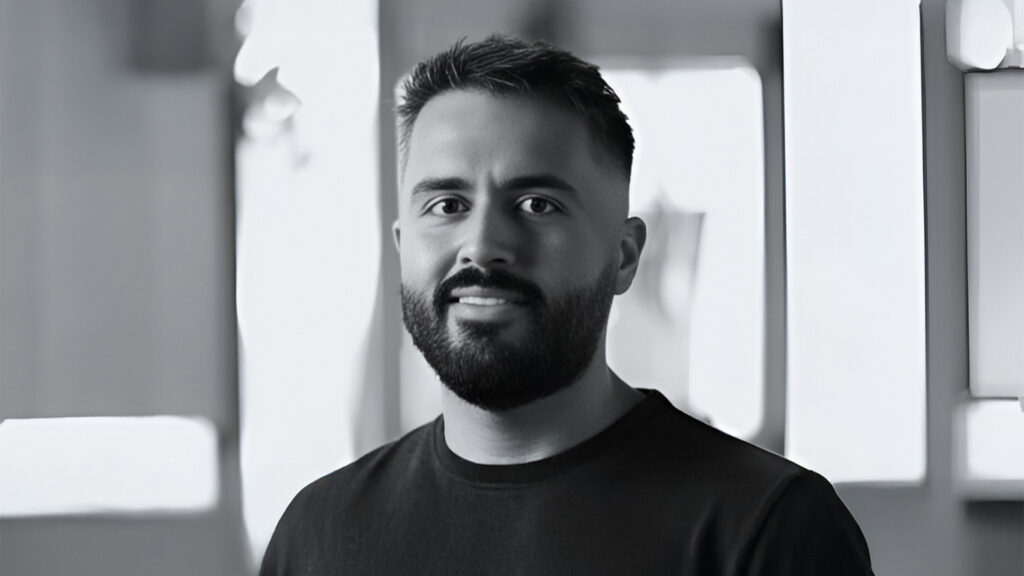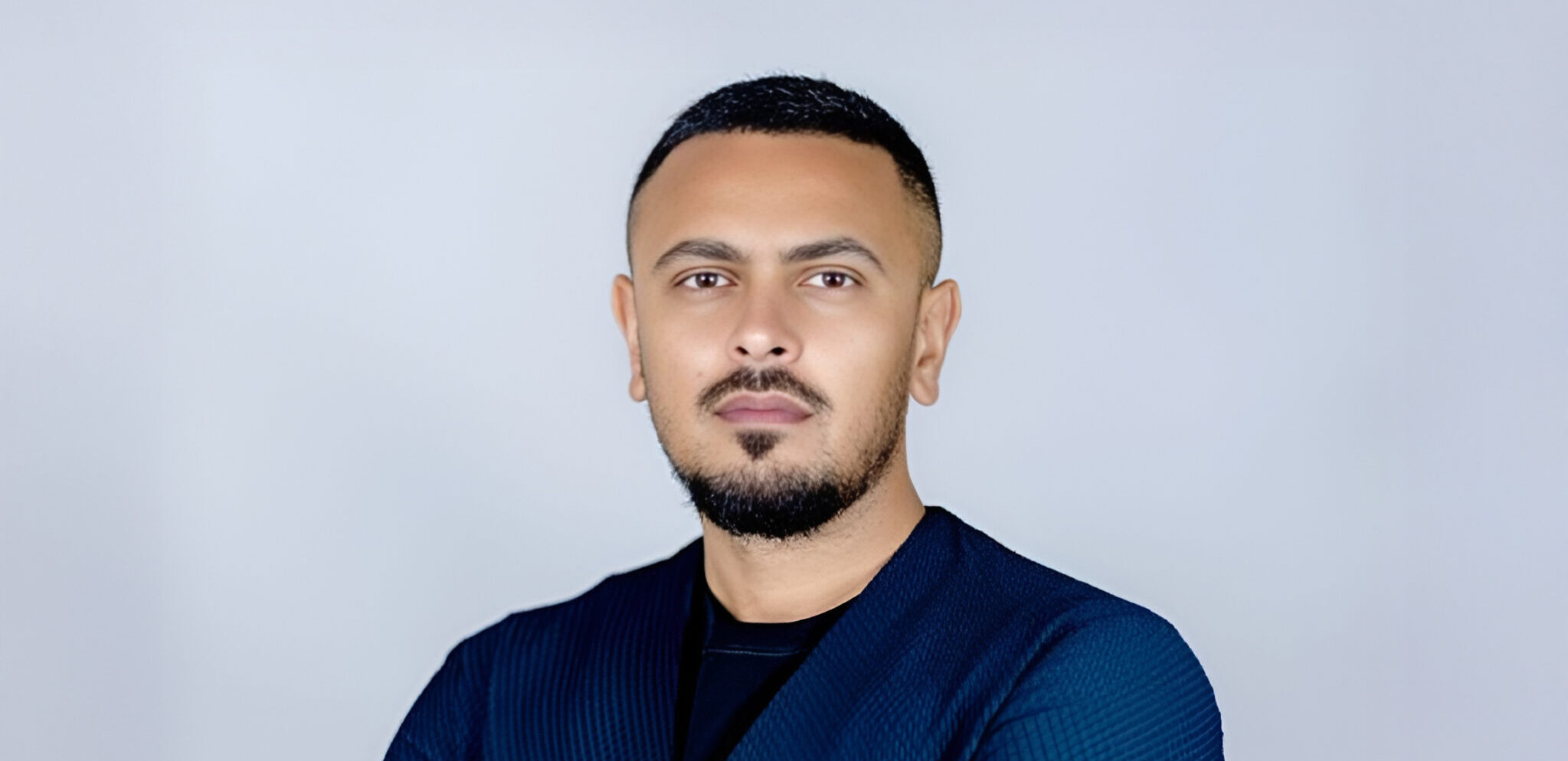
As AI reshapes media planning across MENA, Zenith sees the real opportunity in shifting how growth is planned and measured. Toseef Butt, business director at the media agency, says the industry is moving “from reactive optimization to proactive growth planning,” especially in data-rich markets such as Saudi Arabia and the UAE, while warning that “measurement is one of the biggest challenges” holding back retail and creator media. In this interview, he explains how automation is freeing teams from manual execution, why attention must work alongside reach, and how agencies need stronger data, analytics, and talent to justify media investment in an increasingly complex ecosystem.
How are you integrating AI into media planning, optimization, and forecasting today?
We’re using AI to redesign the entire operating model, not just to improve optimization. At Zenith, we’re building automation tools to streamline the client briefing process, making it easier for clients to submit briefs while ensuring we capture all the critical information we need. This information often doesn’t come through clearly in traditional Word documents.
The AI tool ensures mandatory fields are completed, reducing the risk of missing key inputs that can impact speed to market or the quality of the media plan. A simple example is missing or overly broad target markets, which can dilute budgets. These tools also automate briefings, media planning workflows and reduce manual executional tasks, significantly improving speed while maintaining governance.
Alongside this, we’re using AI for predictive demand modeling, behavioral audience creation, and dynamic personalization. This allows us to move from reactive optimization to proactive growth planning. In data-rich markets like Saudi Arabia and the UAE, this becomes a real commercial advantage. We also leverage Publicis’ Connected ID to unify identity safely across channels, enabling more accurate audience modeling and cross-channel measurement.
Combined, this results in faster activation, better control, and smarter data-led decision-making.
What do you see being fully automated in 2026?
The ambition is to integrate as many tools as possible, including publisher platforms like Meta and Google Ads. Ideally, a client would define their objective and product, and AI-enabled tools would automatically plan the campaign, selecting markets, keywords, and budgets, while reducing manual effort in both planning and execution.
In the next five years, possibly sooner given the speed of AI advancement, planning and execution may be automated to a degree. This will free teams to focus more on strategy, creativity, optimization, testing and learning.
How do you see retail media evolving in MENA, and what role should agencies play?
Retail media is a hot topic. One of the biggest challenges is measurement. Attribution frameworks vary widely by vendor.
Platforms like Amazon offer full attribution. You know exactly what you are buying and you know exactly how many sales would be attributed to that ad format. If you’re activating more than one ad format, you’re able to see how those three or four ad products work together to drive ultimately your sales outcome. Others rely on uplift studies, which lack full transparency.
As an agency, our role is to ensure clients have a full measurement framework and the right tools to buy ad formats against a buying metric that delivers positive outcomes for them. In MENA, we still see fixed tenancy-based buying models, where brands pay a set amount for placement. What we need is greater flexibility in buying models to enable optimization across ad formats and channels.
That’s why we’re building tools that allow activation across multiple retail platforms from a single platform.
Where do you see the biggest growth opportunities for Zenith in MENA?
In terms of growth sectors, we’re prioritizing travel and hospitality, fintech, e-commerce, and government-led initiatives aligned with Vision 2030. These sectors have high digital maturity and a strong need for measurable, data-driven marketing transformation.
Hospitality is growing rapidly, particularly with major developments in Saudi Arabia, including large-scale tourism projects (such as Red Sea) and hotel openings in cities like Riyadh and Jeddah. Fintech and payment solutions are expanding, and e-commerce continues to grow, with regional platforms increasing their presence in Saudi Arabia. These industries benefit from our performance-led approach and our ability to connect media investment directly to outcomes across the funnel.
Do you see attention replacing reach?
I don’t see attention replacing reach, but it is a critical metric. Reach should never be viewed in isolation. It must be complemented by frequency and attention, depending on the objective. For awareness campaigns, reach is important, but frequency and attention determine whether a brand is actually remembered.
That’s why we prioritize formats like video. Beyond metrics such as view-through rates or completion rates, we analyze drop-off points to understand how the creative can be improved. Personalization is also key, using data from Publicis’ Connected ID to tailor content based on consumer behavior, interests, and what their priorities are in terms of which category they are in market for. Reach and attention need to work in harmony.
What will the agency of 2026 look like?
There will be a strong push for AI, but not just for optimization. The focus will be on reducing manual workloads so teams can spend more time on strategy, insights, and creative problem-solving. When teams invest more time in strategy and insights, and creative problem-solving, they feed AI models with better inputs, leading to better outcomes.
Key development areas will be analytics, programmatic, and data science. These are core capabilities at Zenith and across Publicis. We work closely with data science teams at Publicis to deliver real-time reporting, attribution dashboards, and other measurement solutions to measure brand health for clients who don’t have trackers in place.
We don’t just report on bottom-line performance. We look across the full funnel, including ad recall, and how that recall or engagement at the top of the funnel is acting on the bottom line—or, in some industries, the top line—depending on how the client reports performance to the business. This allows us to justify and rationalize media investment more effectively.
How is creator media reshaping traditional media planning models?
The creator economy is very real and highly valuable. The way we work with creators is evolving. Creative marketing is one of the fastest-growing specialisms at Publicis, including hiring creators, acquiring creative marketing companies, and using AI to understand what content is needed for specific briefs and types of audiences.
The model is moving away from simple paid posts toward a more transactional and measurable framework. The goal is to understand the impact of creator content across paid and organic media, and to unify measurement so brands can fully justify creator influence.
Original content—whether from brands or creators—offers an unbiased view of experiences, from retail to fine dining or hospitality. It’s the content users seek. Personally, when looking for travel inspiration, I turn to TikTok to see real experiences. This type of content will continue to grow in value.
What is your message to CMOs for the year ahead?
CMOs need to invest in measurement frameworks and test-and-learn approaches. It’s easy to focus on lower-funnel performance, but brand activity plays a critical role, especially for new product launches. You would need to go to market with awareness.
Acquiring first-party data is also critical as identity and privacy evolve. Solutions like Publicis’ Connected ID allow brands to combine first-party data with third-party insights to build privacy-safe, personalized audience profiles. This enables better targeting and more relevant communication.
Simplified, CMOs should prioritize first-party data collection, invest in data science and analytics, and strengthen measurement frameworks. In some cases, third-party attribution tools allow brands to test different models without disrupting internal systems, helping inform future media investment decisions.
What are the key trends shaping the industry toward 2027?
AI will continue to dominate, but talent development is really key. Identifying trends is one thing; having talent that knows how to capitalize on them is another. New products and features are launching constantly, from LLMs influencing product discovery to their integration with retail platforms.
This evolution will reshape SEO and content strategies. Today, LLMs rely largely on text-based information. In the future, they will increasingly ingest video and image content. Brands need to prepare for this shift.