With Ramadan approaching, 2026’s first peak season is just around the corner. Bidease and Sensor Tower surveyed 425 app marketers across the region, combining survey insights with market intelligence to capture what drove the GCC’s standout year in 2025.
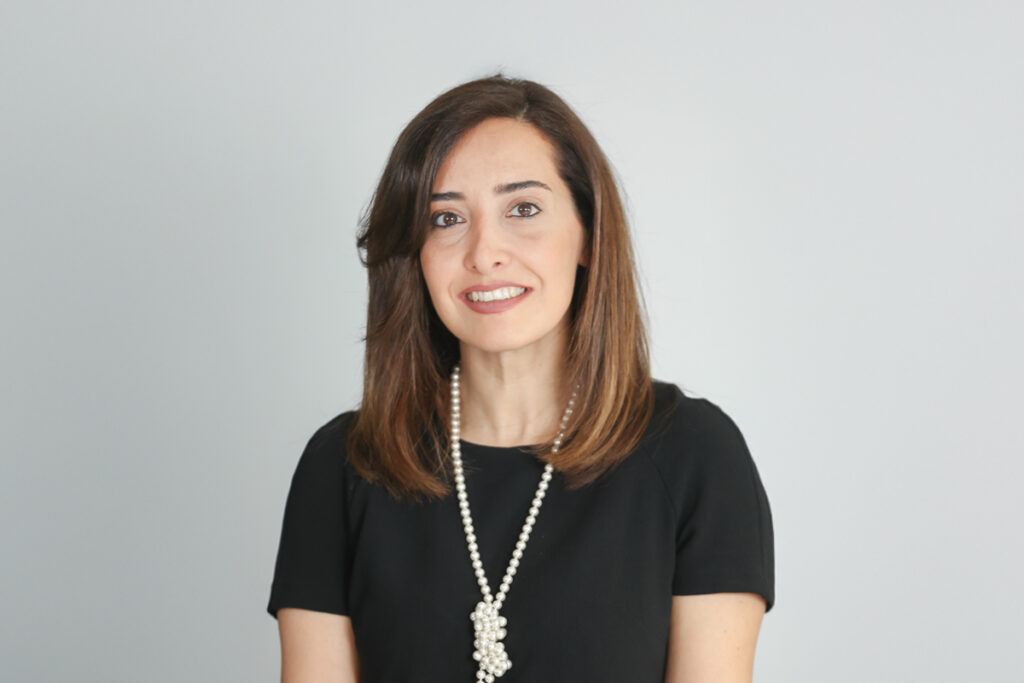
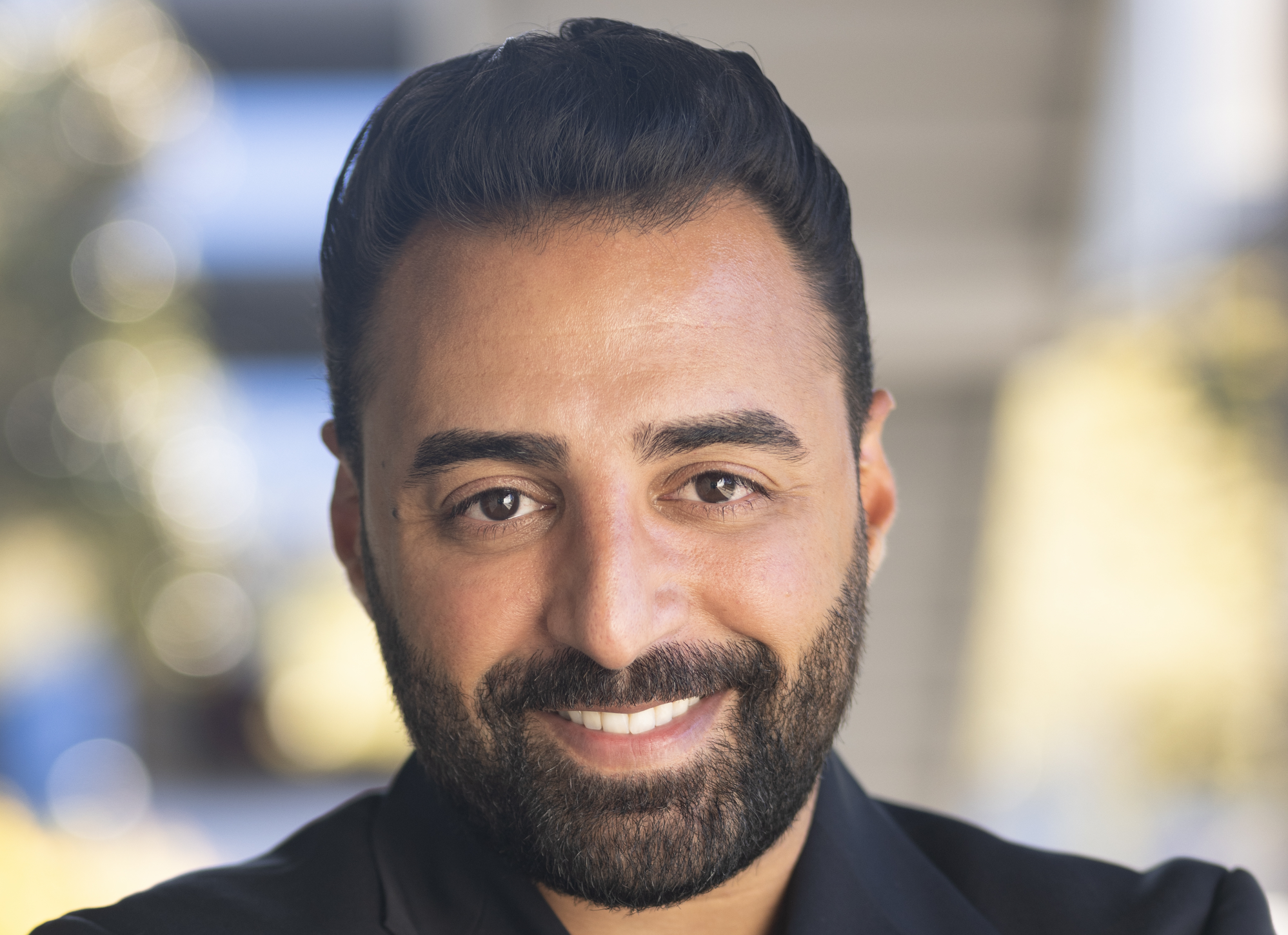
We sat down with Shayan Rahimi, Managing Director of MENA at Bidease, to unpack what’s next for growth marketers in 2026.
Start us off with the big picture. What was the headline story for the GCC app market in 2025?
Regional resilience. GCC app downloads are growing more than five times faster than the global average, with in-app purchase revenue surpassing $700 million in a single quarter. The region continues to outpace global benchmarks.
But the real story is where that growth went. Finance and Food & Dining pulled ahead of the market, each growing more than 30 percent year over year, while most other major verticals expanded at less than half that pace. Shopping, by contrast, saw download declines as growth shifted away from new installs toward repeat engagement and retention.
Where growth is accelerating also highlights where competition is intensifying. In food delivery, global players like Delivery Hero and Keeta are competing aggressively with regional leaders such as Jahez, talabat, and Ninja for frequency and loyalty. Finance shows a similar dynamic, with consumer banking and digital wallets driving adoption as fintechs and super apps expand their role in everyday payments and financial services. Looking ahead, growth will increasingly favor brands that can sustain share in these high-frequency categories, not those simply chasing install volume.
Nearly 52 percent of MENA marketers you surveyed cite saturation in KSA and the UAE as their top challenge. Where should brands look for new growth?
Our research shows users in the region spend 63 percent of their mobile time outside the major social platforms. Yet roughly 70 percent of marketing budgets are still concentrated in just four or five apps.
That mismatch is the opportunity. When everyone is bidding for the same placements, ROI hits a ceiling. The broader app ecosystem offers reach beyond the dominant social platforms. Diversifying isn’t just about lower CPIs. It’s about finding high-intent audiences in underutilized parts of the app ecosystem, from gaming and news to everyday utility apps.
The report shows most marketers are using AI for creative production and automation. Are there other opportunities they might be missing?
Creative automation is table stakes. AI’s real advantage lies in audience discovery. At Bidease, neural networks are used to connect nuanced intent signals across channels and apps, processing multiple layers of behavioral and contextual data at once. Neural networks model nonlinear relationships across behavior, context, and timing, allowing intent to emerge from how signals interact rather than treating each signal in isolation, which is where traditional linear models often fall short. The result is more precise audience selection and the ability to uncover valuable users across the broader app ecosystem.
The GCC app market has defining peak moments throughout the year. How should brands maximize these windows?
According to Sensor Tower, shopping downloads spike over 30 percent around Ramadan and the shopping season. Finance app activity follows salary cycles, peaking at month-end in KSA. These surges bring volume but can also attract low-retention customers if you aren’t careful.
The opportunity during these windows is not to pull back on acquisition, but to acquire better customers. Using lookalike modeling based on high-value, full price customers allows brands to bring in new users who behave more like their most loyal segments. Feeding algorithms a broader set of behavioral and contextual signals helps prioritize long term value over short-term spikes. Seasonal peaks are powerful acquisition moments, but sustainable growth comes from using the right technology to keep customers returning and paying full price, rather than eroding margins through repeated discounting.
Your report shows that transparency and fraud remain key concerns for marketers. How should brands protect their budgets in 2026?
This is a real issue. Industry estimates put ad fraud losses in MENA at $1.6 billion last year. The problem is that you cannot solve this with post-campaign reports. By then, the budget has already been drained.
Transparency and pre-bid protection are no longer optional. Marketers should demand a clear breakdown of every impression they buy, and work with partners who block invalid traffic before the bid is placed. This is something we care deeply about. Bidease is now leading an anti-fraud task force with the IAB to help set standards across the industry. Protecting your spend is just as important as optimizing it.
Sustaining growth momentum in the GCC will require a different level of discipline in 2026. Transparency and data integrity need to be treated as non-negotiable. In an ecosystem where conversions can be misattributed or siphoned across walled gardens, low-quality supply, or malicious traffic, ongoing moderation is essential, from pre-bid safeguards to post-bid validation and post install analysis, to protect performance and prevent CPA erosion.