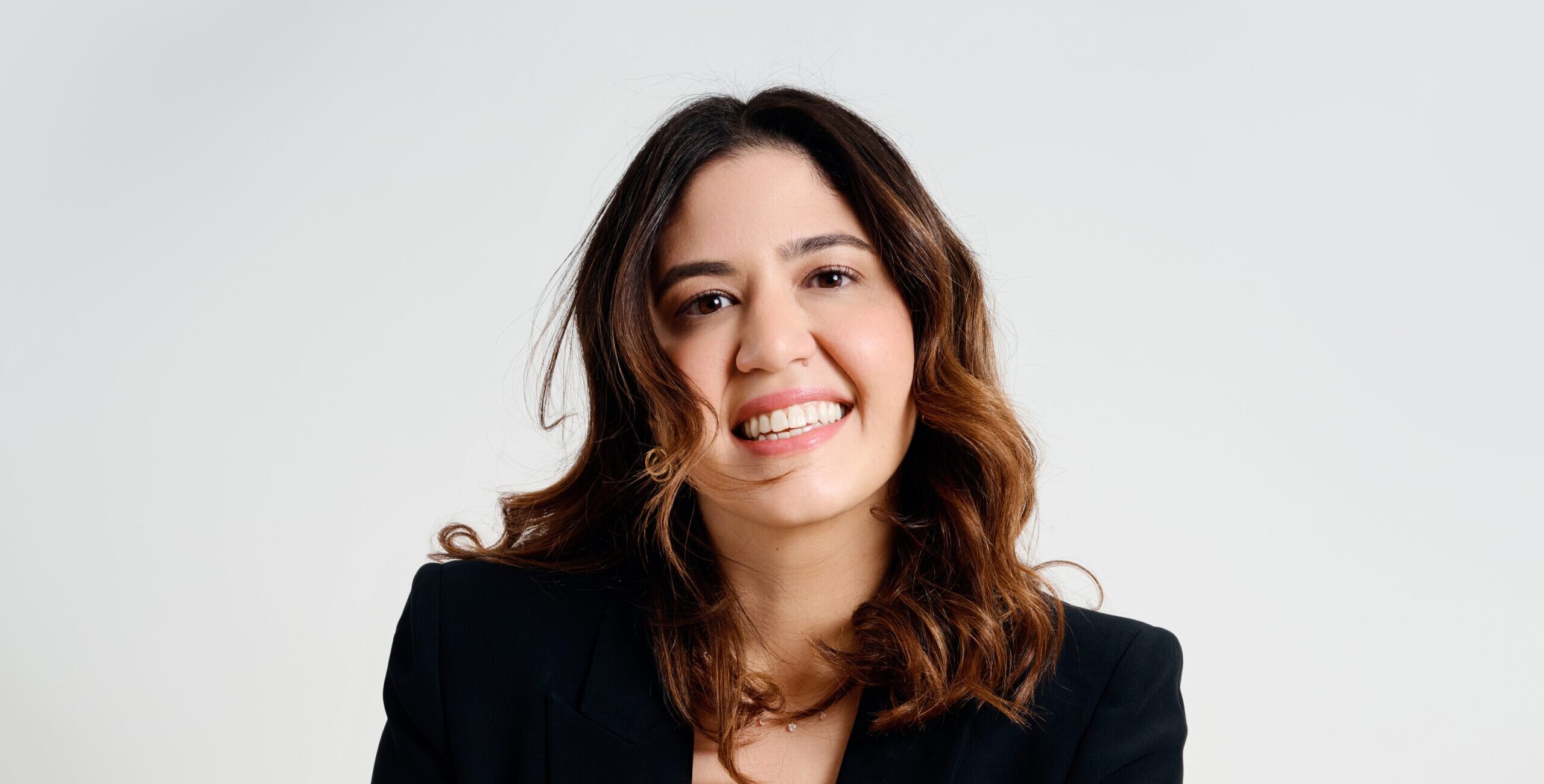
Dyala Badran leads Publicis Groupe Middle East’s content practice and drives the strategy, innovation, and scaled delivery of dynamic, data-driven content solutions across the region.
With more than 15 years of experience shaping content, media, and digital ecosystems, Dyala has built a career at the intersection of creativity, data, and technology. She has led high-impact content programs around major cultural moments, pioneered new formats for brand storytelling, and developed partnerships that unlocked measurable value for both brands and audiences.
Her expertise lies in building modern content systems, ones that integrate insight, creativity, and platform intelligence to deliver relevance at scale. Dyala’s vision is central to Publicis Groupe’s ambition to create a unified, future-ready content practice that strengthens brand connections and drives meaningful outcomes in a rapidly evolving region.
In this interview, she discusses the evolution of the creator economy, the changing dynamics in the Middle East and North Africa, and the trends shaping creator marketing in 2026.
How would you describe the current state of the global creator economy, and what major shifts have occurred over the past year?
The creator economy has moved from being a branding solution to a full end-to-end media solution — a core commerce and performance layer for brands. We’re seeing brands build in-house platforms for core ambassadors (like Sepohora globally) and even more attention to micro influencers and solutions like affiliate marketing.
How are global trends reshaping the MENA creator ecosystem?
Regulation is tighter, both in Saudi Arabia and the UAE, as creators require permits and licensing for advertising activity (with implications for contracts, rates and compliance). While mega creators and celebrities remain large touchpoints, we’re also seeing micro creators grow and define a strong ROI.
How is spending evolving across brands, agencies and platforms, and how are budgets shifting?
Creator budgets are pulling share from legacy channels as marketers chase culturally relevant reach and Gen Z attention. More money is moving to “mid-tier” creators (often the best balance of reach, credibility, and cost efficiency).
Budget is split into three lines now: creator fees/production/legalities (often lower cost per asset than traditional production); paid amplification (turning creator content into performance media), and measurement and governance (brand safety, fraud detection, lift studies, MMM alignment).
What is Publicis Groupe’s role in creator opportunities, talent development and new revenue streams globally and regionally?
In 2026, we’ll have firmly built creator marketing as an AI-powered full-funnel capability, not a specialist add-on — by combining creators, media, data and commerce.
Scale and tech: We’ve acquired Influential (the world’s leading influencer marketing platform) and Captiv8 (leading technology capabilities for creator marketing) to create a leading influencer/creator marketing solution, bringing platform capabilities and large-scale creator access into the Groupe.
Connected intelligence: the Publicis model (data/identity, media investment, creative and commerce) is designed to make creator work addressable, measurable and optimizable — which is what CMOs now demand.
New revenue streams: creator isn’t just “content.” It’s performance media (creator-led acquisition and retargeting); commerce and affiliate ecosystems (storefronts, live shopping, creator-led retail); product/experience collaboration (co-creation, drops, limited editions), and localized, relevant always-on community (brand advocacy and loyalty).
From a Publicis Groupe perspective, what are the main challenges and opportunities for creators today, and how are they adapting?
Like the entire ecosystem, creators are faced with an inflection point around AI. While it makes their content creation process efficient and agile, it poses a direct challenge to their work and forces authenticity to be top of mind.
Creators, like brands and publishers, are challenged by attention saturation and algorithmic volatility, which can lead to unpredictable reach and, consequently, inconsistent income.
How creators are adapting (opportunity framing) is by relying on performance-based and outcome solutions, such as Influential’s offering, solidify their performance in the face of changing algorithms. They are also leaning into long-term partnerships: creators increasingly act as strategic collaborators (creative input, product feedback, community access), not just media inventory, and upgrading production with AI while protecting “human taste” and credibility.
What emerging trends should the industry watch in 2026?
Influential’s launch in MENA, of course. But also leveraging creators as true end-to-end media channels. There would be more AI-assisted editing, dubbing and faster production, but also more pressure on creativity and authenticity to defy AI-generated content. We also expect outcome-based compensation to become mainstream: hybrid models (lower base and performance kicker; affiliate and paid usage rights). Also, bringing short-form into multi-format solutions, bridging brands from short-form platforms into long-form authority and community.