Ramadan is driving a seasonal surge in loyalty program participation across the Gulf, with retail, travel and financial services benefiting from higher consumer spending and increased digital engagement.
Every year, Ramadan reshapes consumer behavior across the GCC, as families prepare for iftar and suhoor and search interest for “offers” and “discounts” rises sharply in the final days of the month, according to a statement by Loylogic. During the holy month, loyalty programs across the Middle East capitalize on this shift, with retail, travel, and banking poised for record engagement.
The broader market is expanding rapidly. The regional loyalty sector is projected to grow 16.3 percent in 2025, reaching approximately US $3.27 billion, up from US $2.81 billion in 2024. In the UAE alone, loyalty programmes are expected to grow 16.1 percent to about US $490.8 million in 2025, with gains forecast through 2028.
The regional market is projected to maintain double-digit growth, of 13.8 percent CAGR through 2029 as digital, coalition and personalized models broaden customer engagement.
“Ramadan isn’t a one-month campaign; it’s a strategic moment to reaffirm value with your most engaged customers,” said Gaby Kool, CEO of Loylogic.
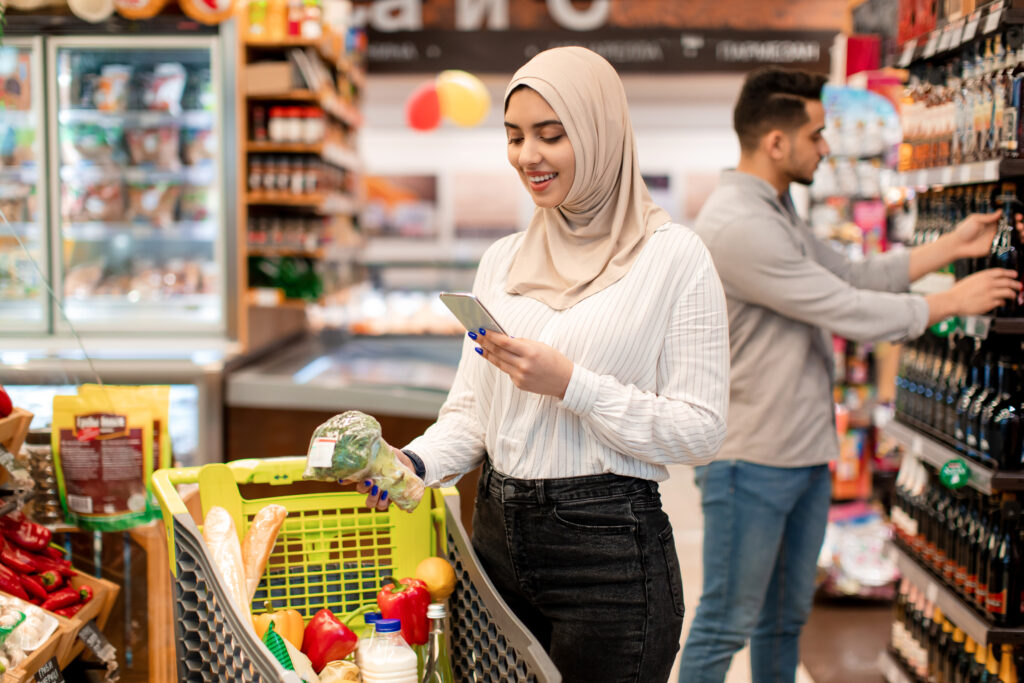
Mobile shopping activity typically increases during Ramadan nights in the UAE and Saudi Arabia, while loyalty initiatives — including gift cards, tiered rewards, points programmes, and exclusive offers — become tools to connect with consumers.
Retail remains the largest contributor to regional loyalty activity, seeing heightened engagement as consumers shop for groceries, gifts, and fashion. App-based and mobile wallet integrations enable real-time rewards, and multi-brand coalition programs allow customers to redeem points seamlessly across stores and e-commerce platforms.
Travel and hospitality also experience seasonal gains. Domestic and regional travel during Ramadan fuels airline and hotel loyalty programs, while the Middle East travel loyalty market is estimated at $1.14 billion in 2025, led by the UAE and Saudi Arabia. Programs offering cross-industry perks are expected to achieve higher redemption rates.
Banks and fintech platforms are embedding rewards into everyday spending. Banks and fintech platforms encourage card and digital wallet usage during Ramadan, and credit card rewards, BNPL programs, and partner offers enable consumers to earn points on essential and seasonal purchases, boosting transaction frequency.
Structural shifts are also supporting growth. Key drivers include coalition loyalty across multi-brand ecosystems, AI-driven personalization and real-time rewards, integration with mobile wallets, fintech, and partner ecosystems, and experiential rewards in travel and hospitality.
“Today’s most effective loyalty strategies are built around meaningful engagement, not single reward categories,” Kool said.
As seasonal spending accelerates, programs leveraging digital adoption, personalized rewards, and coalition partnerships are positioned to drive stronger customer retention and higher transaction volumes during Ramadan.