Yango Ads, the AdTech arm of Yango Group, has released its Ramadan 2026 Demand Playbook, offering insights into how brands across the Middle East can tap into one of the region’s most commercially significant periods through a connected, full-funnel advertising approach.
Ramadan continues to be a critical demand cycle in the Middle East, driven by a distinct shift in daily routines and digital behaviour. While daytime activity slows due to fasting and reflection, consumer engagement rises sharply after iftar, with evenings and late nights emerging as peak periods for media consumption, ecommerce, and on-demand services.
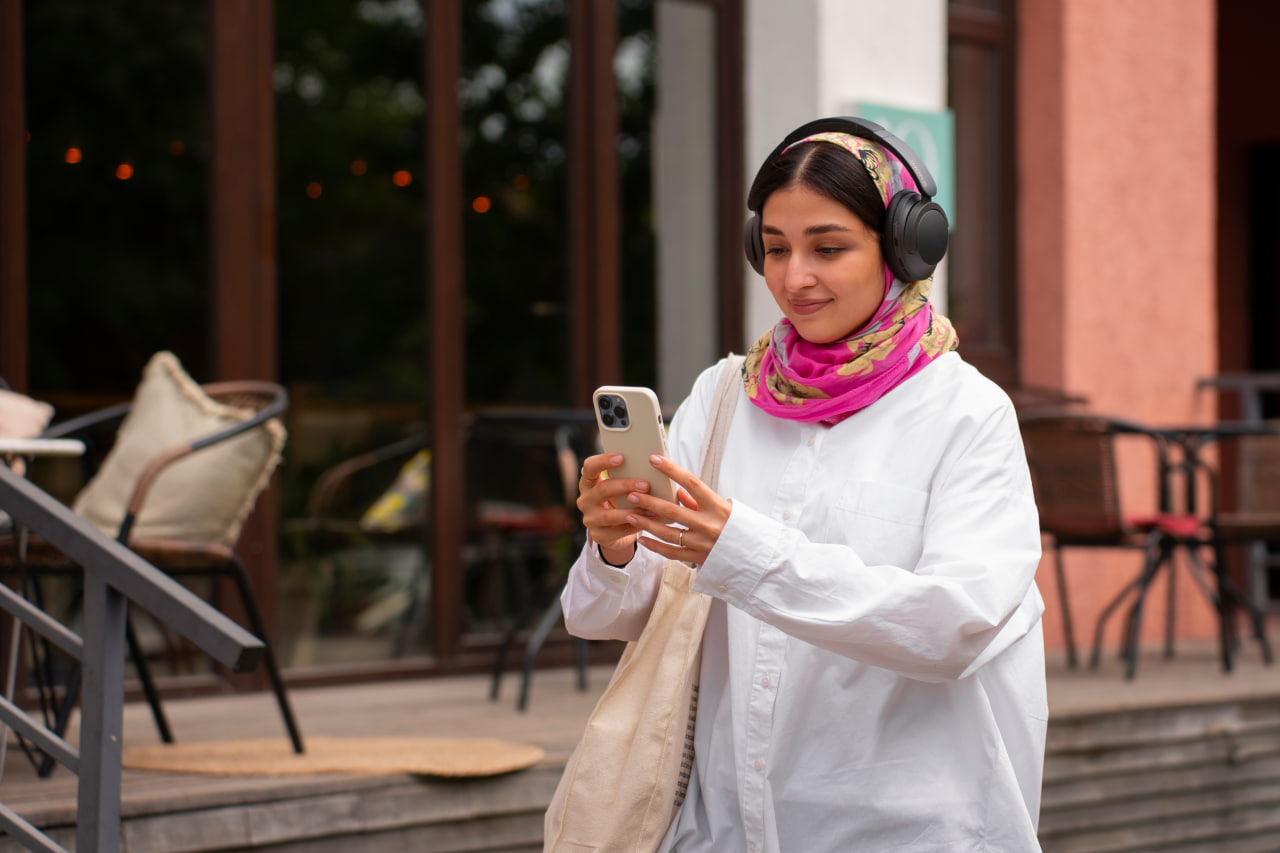
According to Yango Ads’ seasonal analysis, this day-to-night behavioural shift has a direct impact on how and when brands should engage audiences. Consumer spending in markets such as the UAE and Saudi Arabia typically increases during the holy month, particularly across food, dining, and essential household categories. Post-iftar hours also see higher engagement with video and mobile formats, alongside traffic surges on ecommerce, food delivery, and entertainment platforms.
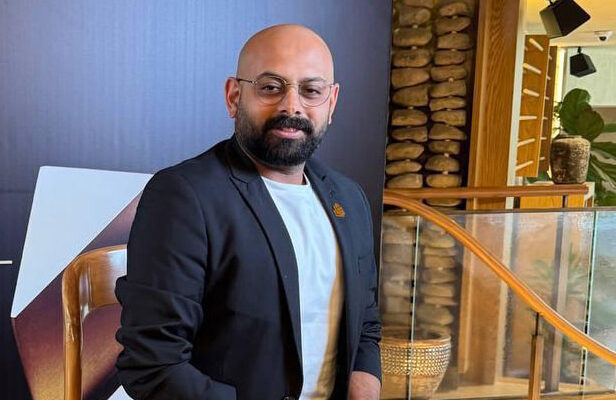
“Ramadan is not a single sales moment but a gradual demand curve that begins weeks before the holy month,” said Bassem Yousri, Head of Agency Department at Yango Ads MEA. “Brands that delay their campaigns face intense competition. Those that plan early and guide consumers from awareness to conversion at culturally relevant moments are better positioned to drive results.”
The playbook outlines four key phases of Ramadan demand. Awareness typically starts weeks in advance as consumers seek inspiration and early offers. Consideration builds as households plan purchases across categories including FMCG, fashion, beauty, electronics, and entertainment. Conversions tend to peak during evenings and weekends, while loyalty and repeat engagement develop steadily throughout the month with consistent brand visibility.
Yango Ads notes that maximising Ramadan’s commercial potential requires an integrated strategy rather than isolated performance-led tactics. The playbook highlights the importance of high-impact awareness formats early in the season, followed by interactive and retail media placements during high-intent periods, supported by sustained presence across everyday digital touchpoints, including SuperApp environments.
Cultural sensitivity and timing remain central to effective Ramadan advertising. Yango Ads advises brands to avoid food-related messaging during fasting hours, align dining and delivery promotions with iftar and evening planning moments, and use creative themes centred on togetherness, family, gratitude, and community.
As competition for consumer attention continues to intensify, Yango Ads says Ramadan 2026 will favour brands that combine cultural understanding with disciplined funnel planning. Early activation, thoughtful message sequencing, and alignment with evening-led consumer behaviour, the company notes, can help turn seasonal interest into measurable business outcomes.