A new report by marketing agency VML says a mix of toxic politics, economic pressure and climate anxiety is shaping a global cultural mood it calls “dysoptimism,” a blend of realism and cautious hope that is influencing consumer behavior and brand strategy worldwide.
VML’s Future 100: 2026 report argues that people are not succumbing to outright pessimism despite sustained global strain. Instead, consumers and companies are increasingly treating disruption as a catalyst for reinvention, creativity and problem-solving.
The concept of dysoptimism underpins 100 trends identified across 10 sectors, including culture, technology, travel, health, retail and innovation. According to the report, 2026 is likely to be characterised by resilience, human-centred transformation and adaptive creativity rather than retreat or escapism.
VML said consumers, fatigued by prolonged negative news cycles, are gravitating towards experiences and products that offer perspective, joy and connection. Short but meaningful travel, as well as small, frequent indulgences — a trend the report terms “treatonomics” — are becoming coping strategies amid tighter economic conditions.
The findings are based on a global survey of more than 15,600 respondents across 16 markets.
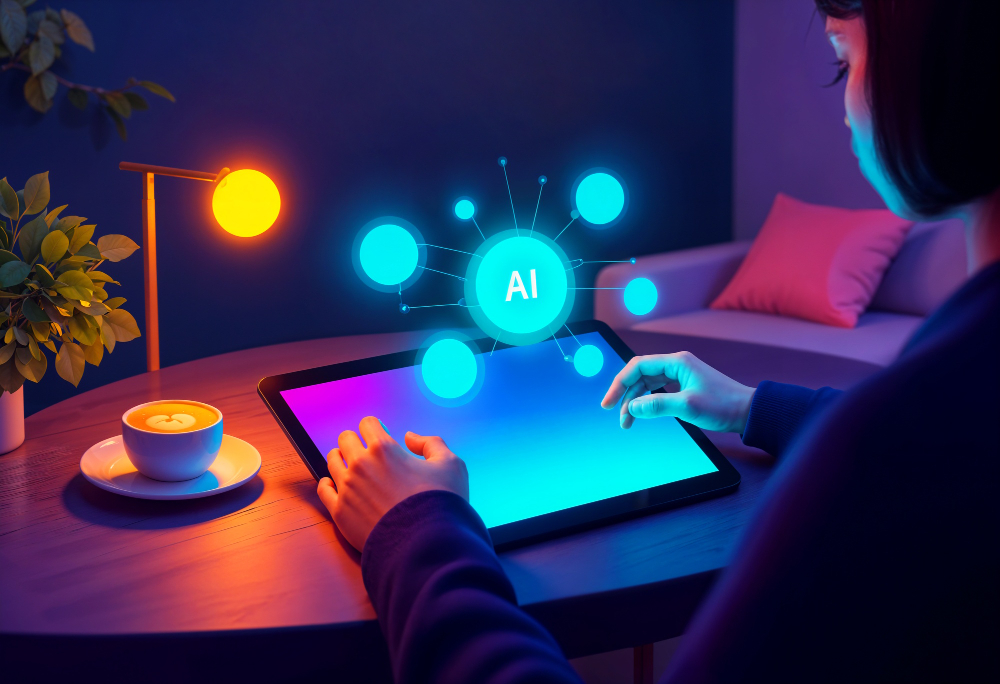
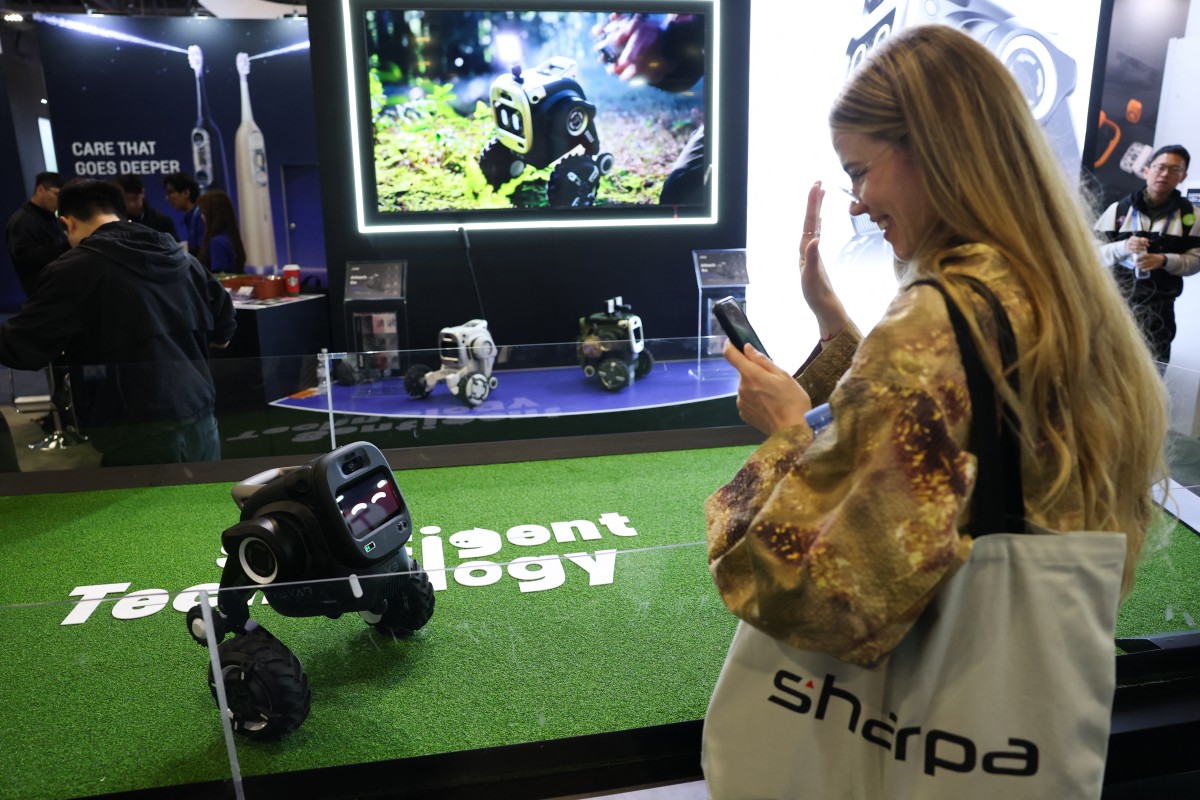
Artificial intelligence is a central theme in the report, with VML noting that people are increasingly negotiating how to live and work alongside non-human counterparts, from emotional AI companions to automated workplace agents. Nearly half of Gen Z respondents said they had already formed a meaningful relationship with AI, the report found.
As AI reshapes entertainment, storytelling and customer engagement in real time, the report highlights growing concerns around trust, transparency and ethics. Concepts such as “truth literacy,” “digital intent” and “coded empathy” point to rising pressure on governments, platforms and brands to make AI systems more accountable.
Despite rapid technological change, VML said human connection remains critical. The report points to growing interest in social health clubs, sober raves and neighborhood “third places” as evidence of renewed demand for community and face-to-face interaction.
“Dysoptimism reflects how, as old systems falter, people are actively building new, more human-centred solutions,” said Emma Chiu and Marie Stafford, global directors at VML Intelligence. “It’s about designing a better future, not longing for the past.”