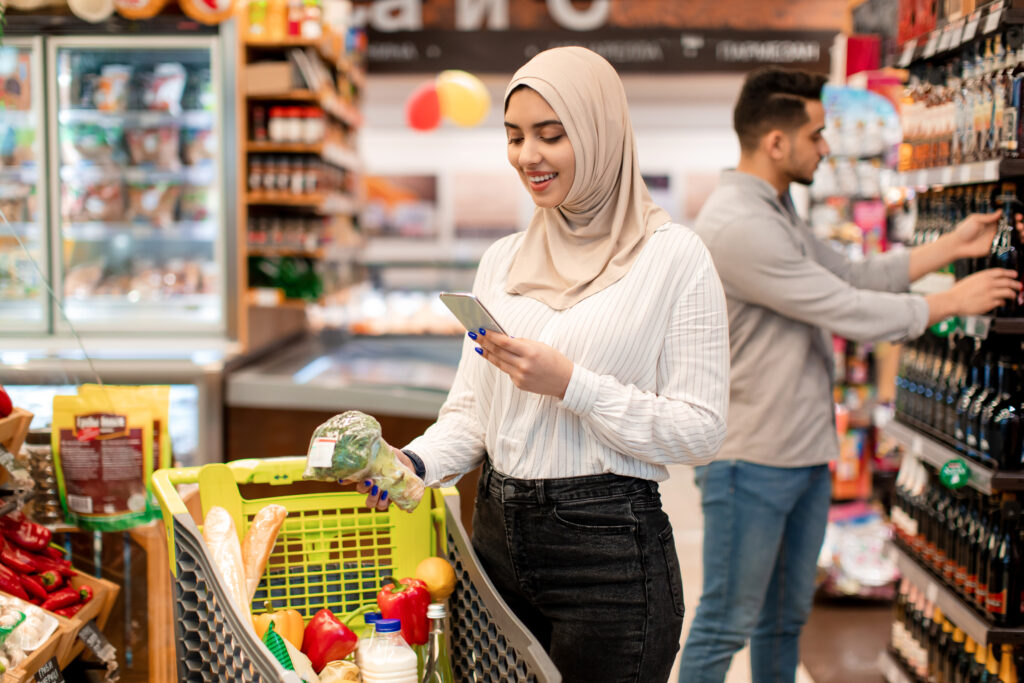
UAE leads the Middle East and Africa’s online food delivery surge, with cities such as Dubai driving rapid growth in app-based ordering amid rising smartphone penetration and aggressive promotional campaigns.
According to a study released by Report Ocean on February 23, the Middle East and Africa (MEA) online food delivery market was valued at $13.46 billion in 2023 and is projected to reach $52.4 billion by 2030. The firm expects the sector to expand at a compound annual growth rate (CAGR) of 21.62% between 2024 and 2030.
Within the region, the UAE is positioned at the forefront of the boom. Restaurants — particularly fast-food chains — are reporting a significant portion of revenues coming through delivery platforms, with a large share of orders placed via smartphones. Seasonal demand peaks during holidays and major events, coupled with high digital adoption, are reinforcing the country’s leadership in the sector.
The broader MEA growth trajectory reflects deeper structural shifts — rapid urbanisation, rising disposable incomes and near-ubiquitous smartphone usage. A young, digitally native population is accelerating the shift toward app-based ordering, turning food delivery from an occasional convenience into an everyday lifestyle service.
Across Gulf cities and fast-growing African urban centres, expanding high-speed internet access and digital payment systems are further lowering barriers to adoption. The report notes that innovation is reshaping the ecosystem, with the rise of ghost kitchens and the expansion of offerings beyond restaurant meals to include groceries and pet food.
Competition remains intense in a fragmented market landscape. Major players include Zomato, Delivery Hero, Talabat, Uber Eats, Deliveroo, Jumia Food, Careem NOW, and Bolt Food, among others. Companies are pursuing partnerships, acquisitions and product diversification strategies to expand customer reach and strengthen market share.
Despite the strong outlook, the report flags geopolitical tensions as a potential headwind. Trade disruptions, regulatory tightening or sanctions could raise supply chain costs and compress margins. Political instability in parts of the region may also affect consumer confidence and discretionary spending.
Even so, the underlying drivers — urban lifestyle shifts, digital-first habits and platform innovation — are expected to sustain long-term momentum, positioning online food delivery as a $50-billion-plus industry in the MEA region by the end of the decade.