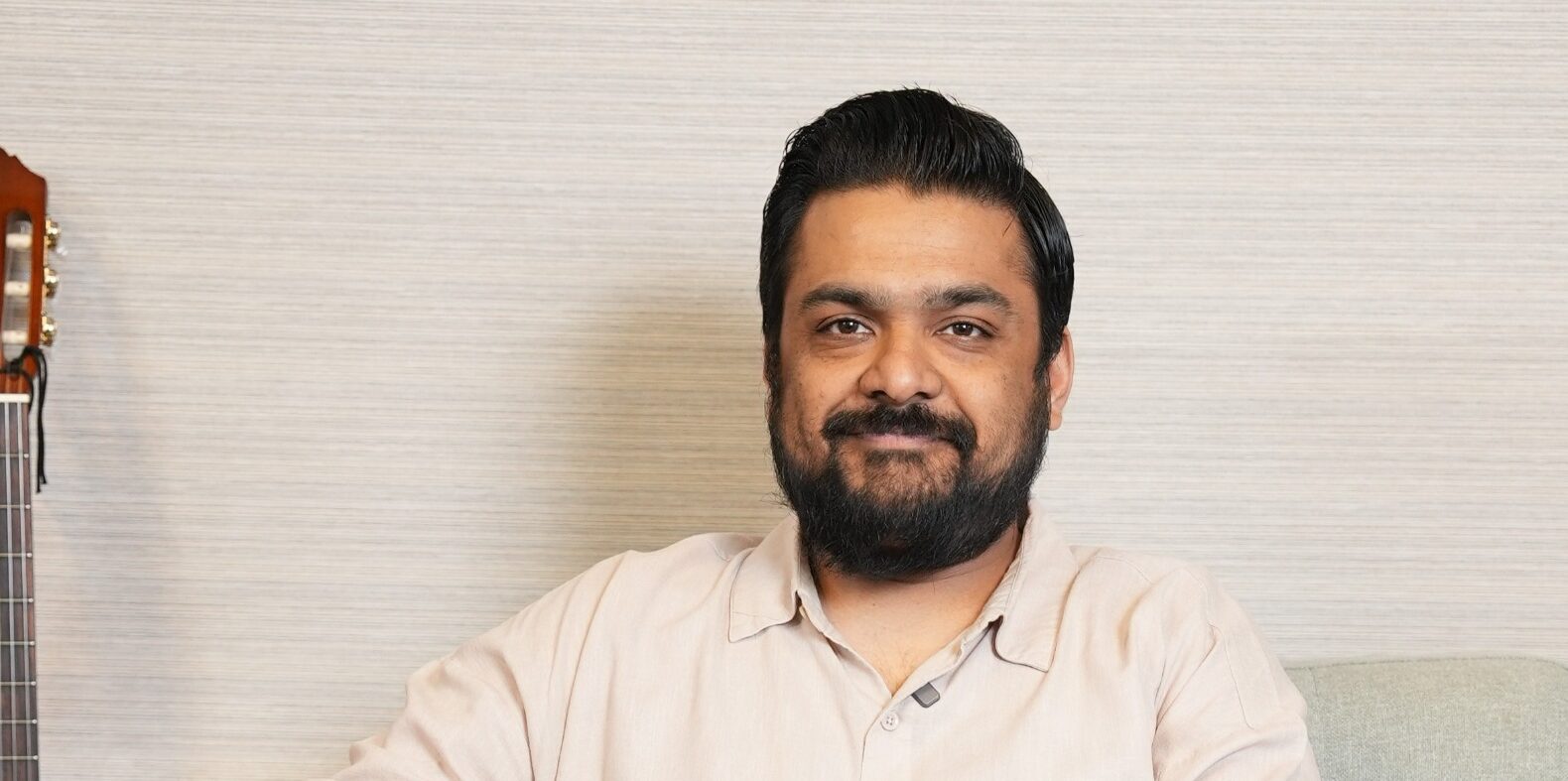
In an interview with Communicate, Vijay Subramaniam, Founder and Group CEO of Collective Artists Network, shares how culture-led storytelling, creator power, and real-time relevance are redefining agencies, reshaping brand strategy, and redistributing creative authority.
Excerpts:
It feels like brands today aren’t just buying campaigns, but buying culture, relevance, and speed. Do you think that fundamentally changes what an “agency” even is now?
Absolutely. Brands today aren’t really shopping for “campaigns” anymore, but for partners who understand culture as it’s unfolding, not after it’s already moved on. That naturally changes what an agency is expected to be. The role is less about producing outputs on a fixed timeline, and more about being deeply plugged into Indian pop culture, real conversations, creators, and communities in real time.
The most effective agencies now sit somewhere between a creative partner, a cultural interpreter, and a distribution engine. Speed matters, but only when it’s paired with relevance and instinct; otherwise, you’re just moving fast in the wrong direction.
The big global networks still offer scale, structure, and safety, but smaller, indie, and creator-led companies seem to win on cultural instinct. Is this a temporary imbalance, or are we watching a permanent shift in power?
It feels like a long-term reordering, particularly in India. Global networks bring scale and systems, but Indian pop culture is hyper-local, multilingual, and constantly evolving. Cultural instinct here comes from proximity—being close to how people actually talk, remix, and respond online.
Indie and creator-led companies often have that edge because they live inside the culture rather than observing it from a distance. Over time, power will likely sit with those who can blend instinct with structure, combining cultural sharpness with the ability to scale, rather than choosing one over the other.
Creators are shaping the idea itself in many cases. Has creative authority quietly moved away from agencies, and are brands adjusting and embracing this?
Creative authority has become more distributed, and in India, that shift is especially visible. In many cases, creators are the co-authors of the idea because they understand their audiences better than anyone else.
The more forward-looking brands have already adjusted to this shift. They’re less focused on controlling every detail and more focused on setting a clear direction, then trusting creators to interpret it authentically. Agencies that see this as a collaboration rather than a loss of control are the ones doing the most interesting work right now.
Everyone talks about ROI, but as storytelling becomes more culture-led and less campaign-led, are we still measuring the right things, or just the easiest things?
We’re still largely measuring what’s easiest to quantify, not always what truly matters. Reach and impressions are useful, but they don’t fully capture cultural impact—things like memorability, relevance, or how a brand shows up in conversation.
As storytelling becomes more continuous and culture-led, measurement has to evolve too. The real question is whether the brand earned attention in a meaningful way, and whether it stayed with the audience beyond the scroll. That’s harder to measure, but it’s far more valuable.
By 2030, what will matter more in this industry: having the biggest network, the smartest technology, or the strongest cultural access—and why?
By 2030, the strongest advantage will be cultural access, because networks and technology can be built or bought, but cultural trust can’t. The brands and companies that win will be the ones embedded in communities, creators, and subcultures, with the ability to sense shifts early and respond naturally.
Technology will be a powerful enabler, and scale will still matter, but without cultural access, both risk becoming blunt instruments. The future belongs to those who can combine all three, with culture leading the way.