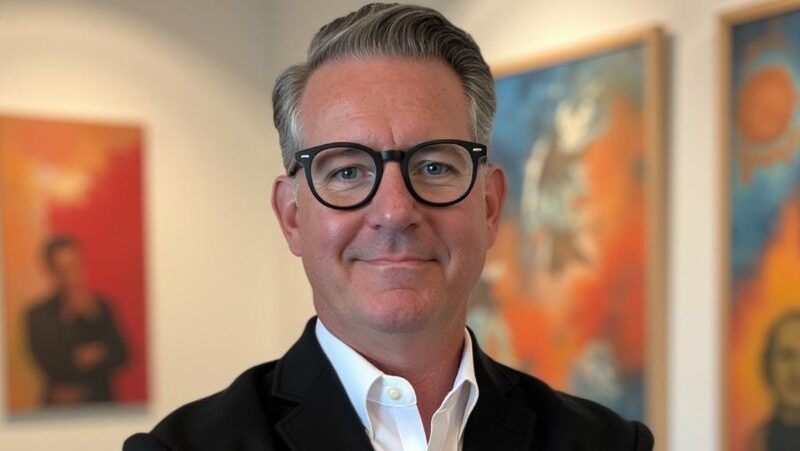
By tying hotel arrivals to the same technology used by travelers at the Dubai airport, the city delivers a truly seamless arrival experience, says Brian Hicks, President & CEO, HSMAI, in an interview with Velina Nacheva.
Excerpts below:
Dubai is positioning digital check-in as a destination-wide standard. How significant is that shift for global hospitality markets, and are competing destinations playing catch-up?
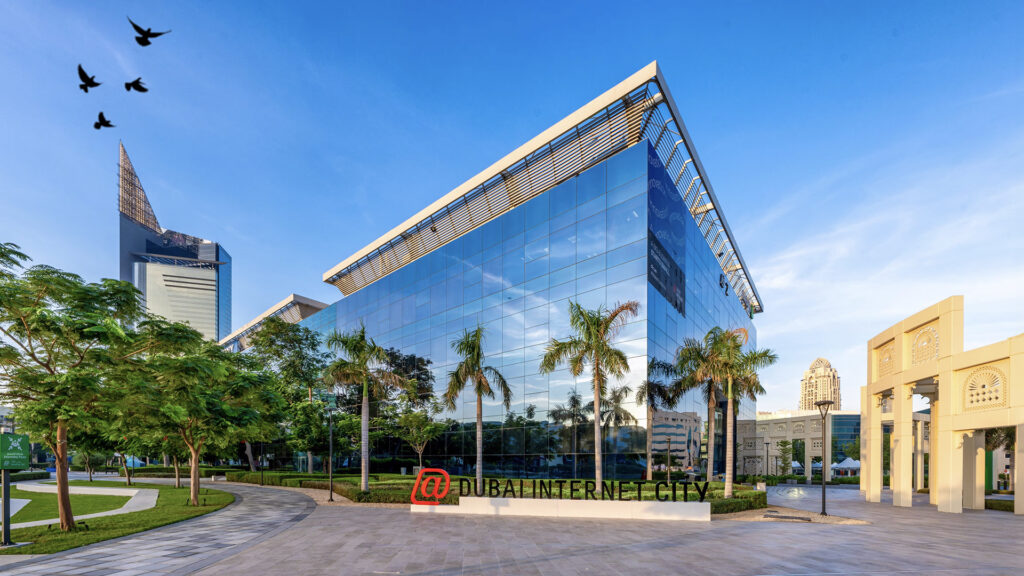
This is an interesting shift from a task that is typically done by brands, moving to government entities. Dubai’s move takes digital check‑in from a brand feature to a destination standard. This is a big change. By tying hotel arrivals to the same technology used by travelers at the Dubai airport, the city delivers a truly seamless arrival experience. Other destinations are experimenting with this technology, Singapore with immigration‑linked verification, and the EU with digital identity wallets. However, Dubai is now operational. I would expect guests to see this as a standard in the future; therefore, global destinations will need to take this into consideration as they strive to be a truly global destination.
What does ‘commercial strategy’ even mean today?
Commercial strategy has evolved beyond the traditional siloed functions of sales, revenue management, and marketing. Today, it’s about integrating the disciplines to create a unified approach that drives profitability. It’s not just about filling rooms; it’s about aligning every touchpoint to deliver value, anticipate demand shifts, and optimize channels. The conference emphasized that innovation and adaptability are now core components of commercial strategy — it’s about breaking down internal barriers and thinking holistically.
Which parts of the travel and hospitality industry will AI shake up the most, and how should organizations utilize it responsibly?
AI is already transforming personalization, pricing, and marketing automation. Expect major disruption in:
Dynamic pricing and forecasting models: AI can analyze demand patterns faster than traditional models. Most systems are developing more AI capabilities.
Customer engagement: Chatbots and predictive analytics will redefine service delivery.
Content and campaign optimization: AI-driven tools will tailor messaging at scale.
To use AI responsibly:
Invest in AI literacy for teams (as highlighted in some of the CSC sessions).
What’s standing in the way of a 360-degree customer view, and how can brands break through?
The biggest barrier is data fragmentation across the multiple systems hotels use today — PMS, CRM, loyalty platforms often don’t talk to each other. Add privacy regulations and legacy tech, and it’s a challenge. To break through:
Invest in integration platforms that unify data streams.
Create cross-functional teams to align KPIs and eliminate silos.
What new expectations are you seeing from travelers and guests?
Guests now expect:
Hyper-personalization: Offers and experiences tailored to their preferences, delivered at the right time.
Authenticity: Messaging must reflect real commitments, not empty promises.
Seamless experiences: From booking to check-out, frictionless interactions are non-negotiable.
Brands should rethink messaging to emphasize value and purpose, and design services that blend convenience with connection.
What will set the next generation of commercial leaders apart?
Leaders who thrive will:
Embrace data fluency and tech adoption, especially when it comes to AI.
Lead with empathy and adaptability — balancing automation with human touch. The hotel industry has always been about connecting people; these skills will become more important.
Think beyond departmental boundaries, driving collaboration across marketing, sales, and revenue teams. Putting yourself in the shoes of others who have the same goal will allow them to see the entire picture.
How can overlapping sectors (travel boards, hotels, F&B, and entertainment) work together?
The key is collaboration:
Shared data and joint campaigns to amplify reach and drive ancillary revenues.
Co-created experiences that bundle offerings (e.g., hotel + dining + local attractions). Be sure to remain authentic and work with attractions that match the hotel experience.
What are the biggest priorities for marketers to future-proof skills and strategies?
Upskill in AI and analytics — not optional anymore.
Master omnichannel marketing to meet customers where they are.
Invest in leadership development to prepare for cross-functional roles.